Janhvi Kapoor’s portrayal in Peddi deserves a broader conversation
When heroes inherit fan bases from their fathers and grandfathers in the South, does the audience understand the difference between cinema and reality?
When heroes inherit fan bases from their fathers and grandfathers in the South, does the audience understand the difference between cinema and reality?
Last week’s events and the release of Peddi were a reminder that filmmakers and cinema haven’t evolved as much as we think they have. A misplaced sense of entitlement, driven by a woman's yes to a role in a big-star film, with a dash of greed to ensure the film ran in ‘mass’ centres, resulted in the perfect storm. Even as the heroes get the majority of the credit when a commercial film becomes a massive hit, it’s somehow the heroine who is always commodified to ensure it runs smoothly. Posters showing off her ‘glamour’ that dot public places are proof of it.
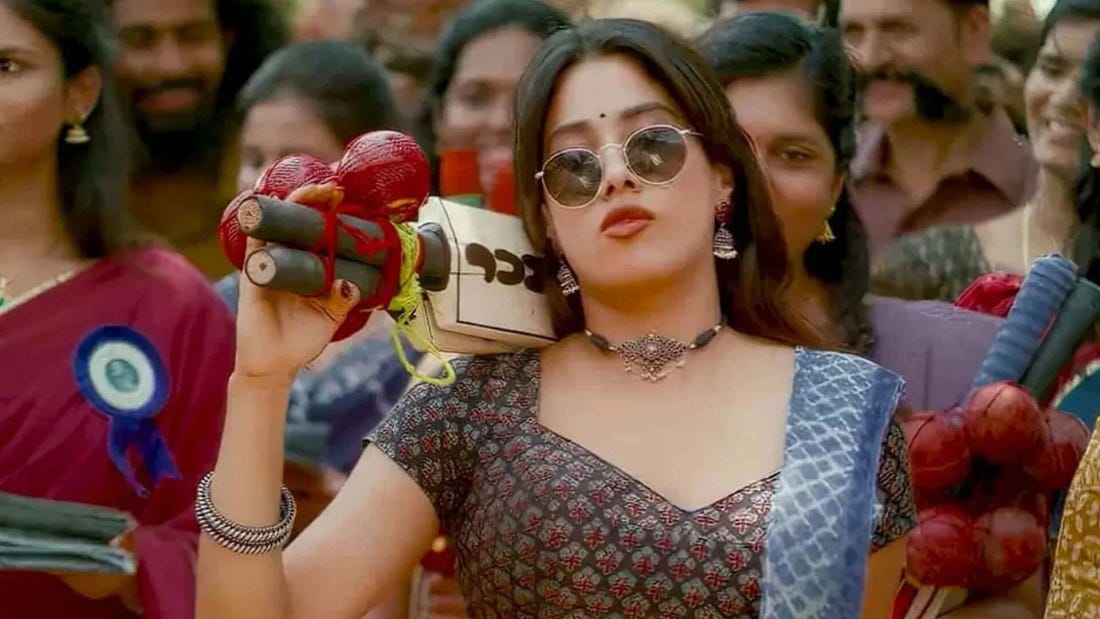
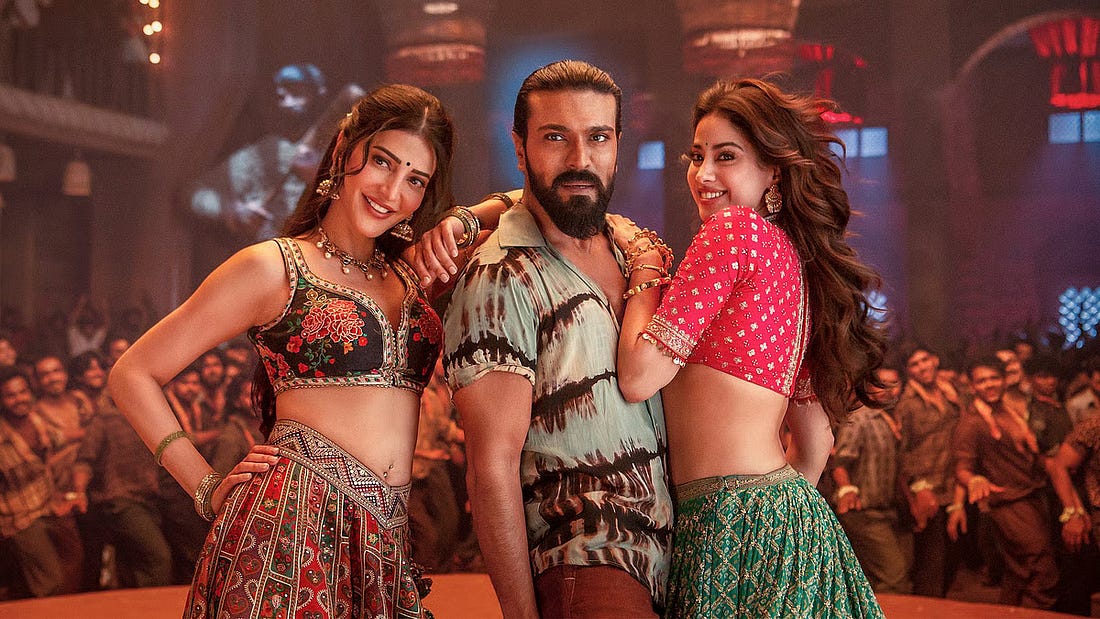
ICYMI, the big Telugu release last week, Peddi, glorified the male lead while objectifying the female lead. A simple scene describing Janhvi Kapoor’s character’s beauty turned into an excuse to focus on her body parts instead. Problematic behaviour by Ram Charan’s character in the name of love only exacerbated things. It left the audience wondering how much the filmmakers actually understand the concepts of agency, dignity and most importantly, consent. Is it really that hard to not understand what counts as romance and assault when the woman never gets a chance to say yes in the first place?
Much like his guru Sukumar had removed similarly questionable scenes from Ram Charan’s cousin, Allu Arjun’s Pushpa: The Rise (2021), Buchi Babu Sana followed suit and promised the removal of some scenes in Peddi. “I have always had immense respect for women, both on and off screen, and it was never our intention to objectify or disrespect any female character,” he wrote in lieu of an apology. He also put the onus on the audience for ‘perceiving’ these scenes that way. How one perceives Janhvi Kapoor’s waist getting more runtime than her face is apparently up for debate.
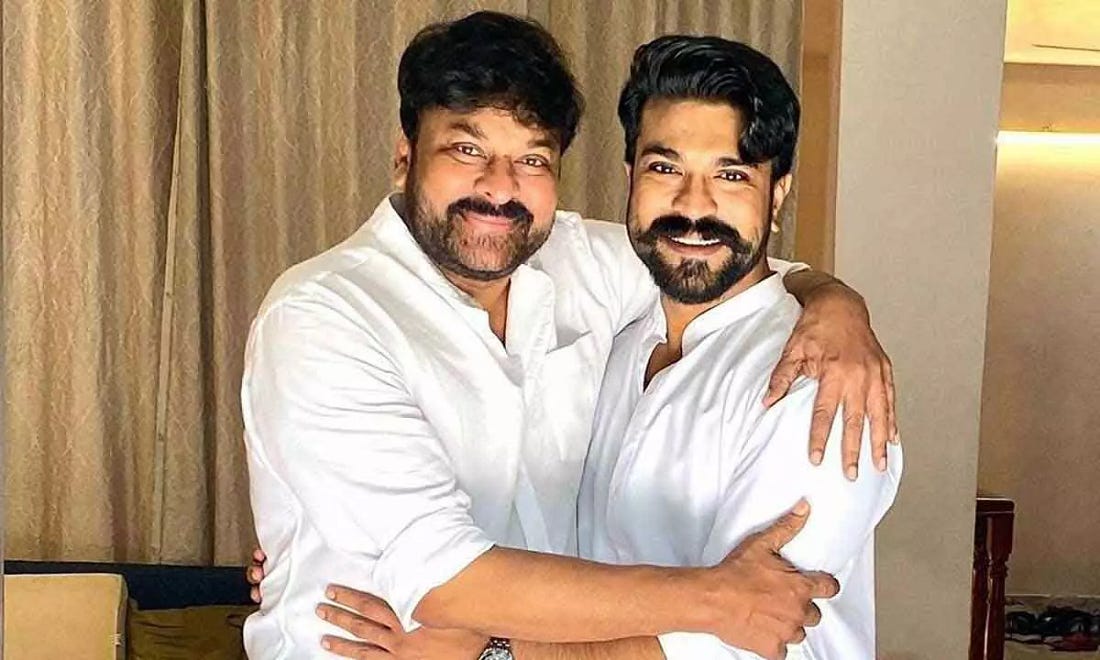
Peddi aside, every time conversations like these surface, the filmmakers and actors always fall back on ‘view cinema as cinema’. But when fan bases in the South are inherited from fathers and grandfathers, hero worship reaches a whole new meaning. Much like how Ram Charan inherited his from his father, Chiranjeevi, a megastar of his time. Being a particular actor’s fan becomes a matter of more than just love for cinema; it’s also linked to caste pride. So when their ‘heirs’ take over, fans want their hero to be successful, more than say a hero from an ‘opposing’ faction.
Is it only cinema when a young fan sacrifices both money and sleep to watch a film on the first day, first show, while armed with confetti that he litters the theatre with every time the hero does something heroic? When this fan spends time fighting imaginary wars on social media against anyone who dares breathe anything negative about his idol, how do you explain to them that the line between assault and love being blurred is ‘only for cinema’? Nothing is ever ‘just cinema’ in the South, and fans vehemently defending Ram Charan’s innocence last week was proof of that, too.
Chiranjeevi with son Ram Charan.
Peddi is not the first film to get female representation wrong, nor will it be the last. Filmmakers such as Raghavendra Rao turned bouncing fruit and vegetables off their female leads’ body parts into a ‘trademark’ in the name of romance. Puri Jagannadh has often written women who are quick with their words and hands, but also meek in the face of whatever the hero does. Boyapati Srini has often been criticised for prioritising a male perspective over a woman’s dignity. Even the great SS Rajamouli has hypersexualised Anushka Shetty in Vikramarkudu (2006) long before he objectified Tamannaah Bhatia in Baahubali: The Beginning (2015).
For every film like Rahul Ravindran’s The Girlfriend (2025) that comes out to right all things wrong, a Sandeep Reddy Vanga will be celebrated for an Arjun Reddy (2017). At what point do filmmakers stop pretending they don’t understand the difference between what’s sexy and what’s uncomfortable, what’s love and what’s coercion, what’s heroism and what isn’t? Only time will tell.