In Dhurandhar: The Revenge, Aditya Dhar Dials Up The Rage…& Propaganda
|
This is #CriticalMargin, where Ishita Sengupta gets contemplative over new Hindi films and shows.
|
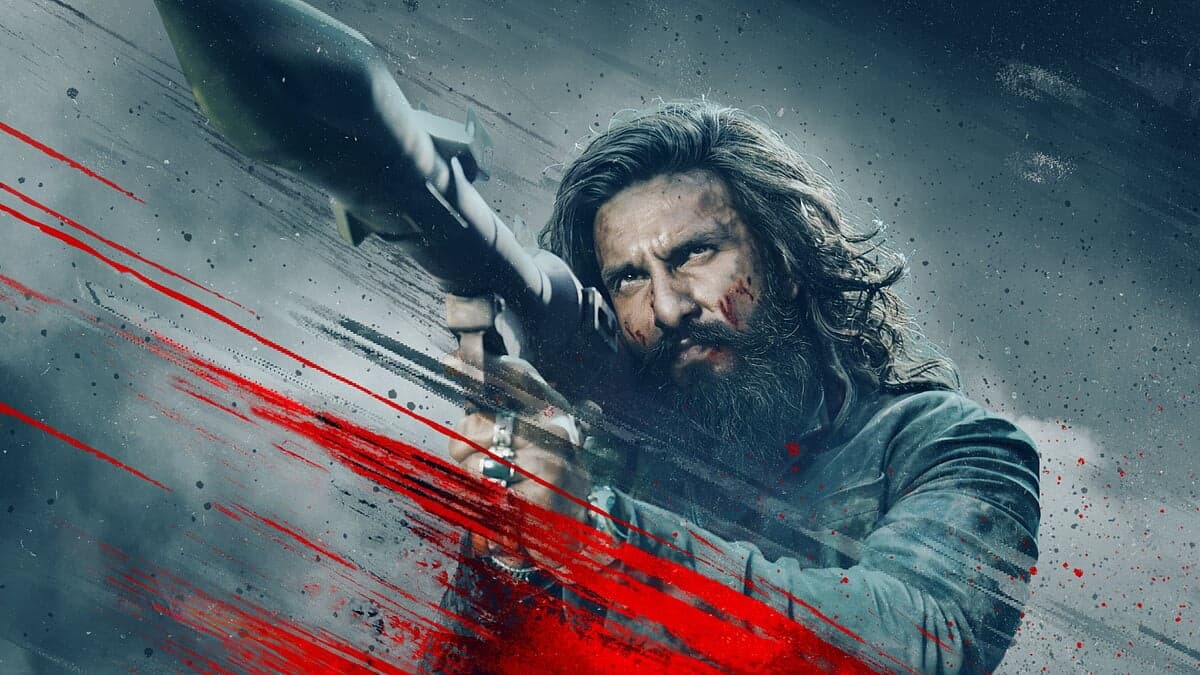
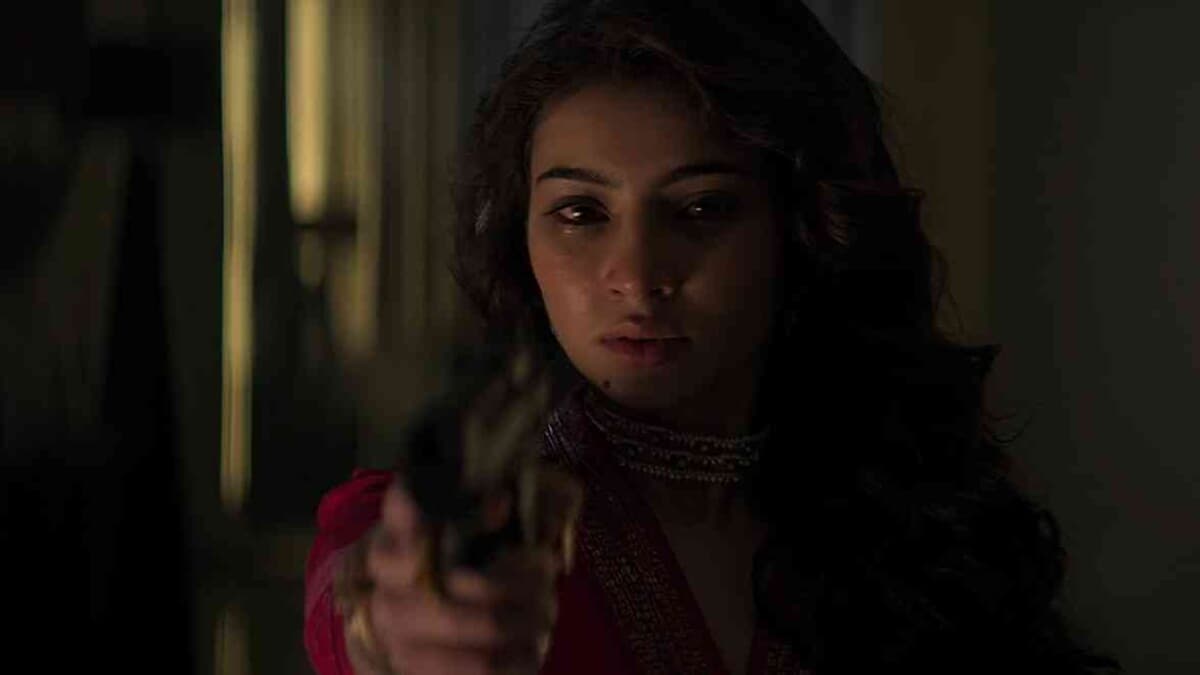
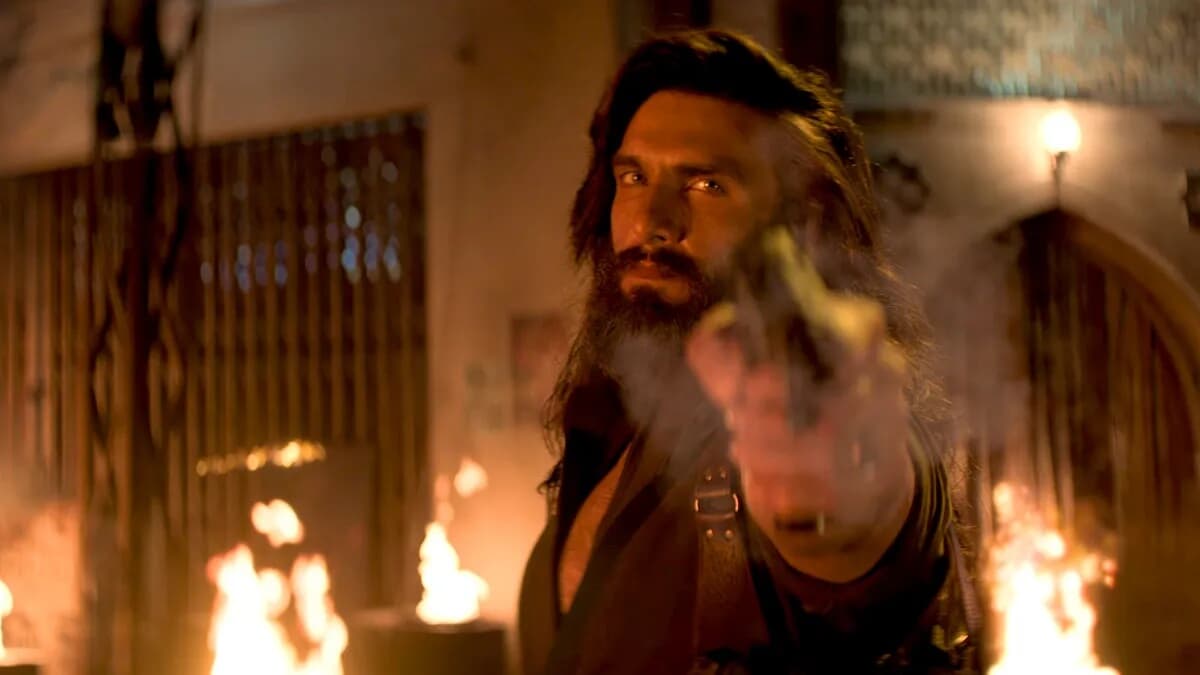
GREAT FILMMAKERS tend to tell the same story in different ways and weak ones find different ways to say little. Aditya Dhar, who is neither, presents a unique reality of telling all stories in the same way. This can sound alarmist given that he has directed only three features and two are parts of the same film. But the sameness exists, running deeper than aesthetics and assuming more stealth than superficial plot twists. Dhurandhar: The Revenge reinforces it with fuller might, revealing in the process the merit and limitations of his work. On paper, the homogeneity is well placed. Dhurandhar: The Revenge is a sequel to Dhar’s 2025 Pakistan-based spy drama that knitted the geopolitics of the neighbouring country with its terror implications in India. The cover, however, was that of an intricate gangster film based in Lyari, the contentious area in Karachi. His latest is an extension, tracking the rise and rise of an Indian agent in Pakistan’s crime nexus as he readies to avenge decades-long attacks. Astonishing as it may sound, in Dhar’s hands this too turns out to be a subterfuge — thus bringing the argument of similarity. Like his directorial debut Uri: The Surgical Strike (2019), and his steady roster as a producer, Dhurandhar: The Revenge advocates for the current government as the filmmaker uses tools in his kit to delude (the audience) about its efficiency. In this pursuit, his style becomes both the weapon and kryptonite. Teaming up with long-time collaborators (Shashwat Sachdev arranging the music, Vikash Nowlakha framing the shots, and Shivkumar V Panicker splicing up scenes with frantic pacing), Dhar jumbles facts and fiction with reckless abandon, using the shield of one when the other appears too flimsy. None of this is new. Dhar, after all, is a first bencher propagandist. But while this yielded compelling results in the past, the effect is significantly dimmed here despite the frills — violence, gore, video game-like tempo — being magnified to staggering heights. |
Akshaye Khanna’s absence could be a reason. In the first part, the actor played Pakistani gang leader Rehman Dakait, and outacted everyone with his chin alone. Dhurandhar concluded with his death, offsetting the pleasure this time around. Neither Arjun Rampal, playing the vicious ISI handler Major Iqbal; nor Sanjay Dutt as the excessive cop; nor Ranveer Singh, allowed to finally combust as his character sits on Dakait’s throne, can replicate Khanna’s confounding charm. Stream the latest films and shows with the OTTplay Power Play pack, now for just Rs 149 a month! The timeline could be another. Dhurandhar: The Revenge opens in 2000 with a brief flashback of Jaskirat Singh Rangi (Singh) to contextualise the manic rage one sees in Hamza Ali Mazari, his afterlife as the Indian spy in Pakistan. Although the origin story was promised, it is only a scaffolding to arrive in 2014 and beyond. Television footage of PM Narendra Modi’s swearing-in ceremony plays in one scene. Those familiar with Dhar’s filmography would know that this is the inevitable starting point of his revenge saga but the filmmaker proves to be uncharacteristically heavy-handed about this and exposes, perhaps for the first time, the seams of his intent with brute force. This has trite upshots. For instance, in its depiction of post-2014, Dhurandhar: The Revenge trails off to a relentless march towards bloodshed, overriding the spectacularly choreographed breathless carnage in the beginning and sidestepping logic. Pakistani criminals (Dawood Ibrahim, introduced as “bade saheb”, included) look either scared or provoked by the “tea seller”in India (Dhar recurrently uses this “identifier”, often used as a jibe against Modi for his humble beginnings, to both subvert and co-opt). The film also validates demonetisation by alluding to an influx of fake Indian currencies to destabilise elections — a claim as vague as the conspiracy theory hinted in the first part. India’s inclusion in the narrative is completed by a montage of Hamza and his men freely killing several Pakistani gangsters without raising suspicion. |
Vengeance, as mentioned in the title, was the point. But the maker’s insistence on pushing an undisguised agenda diminishes the other side — earlier portrayed as fuller people, even when cruel — to brainless savages. In such a lopsided battle, the excitement of getting even dampens to a flatline of strong-arming. The blatancy makes Dhurandhar: The Revenge, with a runtime of 235 minutes, cumbersome. Sachdev’s music continues to work wonders (he pulls in an electrifying Aari Aari, Nusrat Fateh Ali Khan’s Jaan Se Guzarte Hain, Tamma Tamma with rap scoring most scenes) and while they supply enough distraction, the wheels of Dhar’s style start to go off and veer into exhaustion. Dhurandhar is a persuasive display of his craft but the repetition (several montages and entry shots, all scored to catchy music) prompts one to ask: is this is all he has to offer? What Dhar loses out with obvious political posturing, he tries to make up by insidiously equating India with Hindus. Every other community is villainised (Punjab is depicted as a state mired in drug abuse) even when the hero is a Sikh. In one scene Major Iqbal seethes before his retired brigadier father that in the 1971 war, “Hindus” had defeated Pakistan; in another he threatens to attack India by forcefully converting Hindus to Islam. The filmmaker shows similar inventiveness in degrading Muslims, irrespective of the country they belong to. Iqbal is shown to have a specially-abled child, a detail the film drills in as a failure of his masculinity, and in another instance Dawood states that whoever rules Pakistan must earn the trust of Muslims living in both the nations. Dhar’s short filmography is tied together with variations of a common refrain: “This is a new India; it will enter your home and kill you too.” Designed as a war cry, it aligns with the militant nationalism his work perpetuates. Each thrives in intolerance and giving it back. But sitting in a packed theatre among a crowd rapt in attention I was tempted to reimagine the gaze of the phrase. The suddenness of demonetisation had affected us all and while the benefits of the move remain shrouded in mystery, a decade later we are caught in a spell, clapping at our misery — uncritical, obedient and compliant. This indeed is the new India; it’s not the hero of Dhar’s films however, but the audience. The views expressed in this column are those of the author and do not necessarily reflect the official policy or position of OTTplay. The author is solely responsible for any claims arising out of the content of this column. |
Like what you read? Get more of what you like. Visit the OTTplay website or download the app to stay up-to-date with news, recommendations and special offers on streaming content. Plus: always get the latest reviews. Sign up for our newsletters. Already a subscriber? Forward this email to a friend, or use the share buttons below. |
| | This weekly newsletter compiles a list of the latest (and most important) reviews from OTTplay so you can figure what to watch or ditch over the weekend ahead. |
| Each week, our editors pick one long-form, writerly piece that they think it worthy of your attention, and dice it into easily digestible bits for you to mull over. |
| In which we invite a scholar of cinema, devotee of the moving image, to write a prose poem dedicated to their poison of choice. Expect to spend an
hour on this. |
| | Hindustan Media Ventures Limited,
Hindustan Times House, 18-20,
Second Floor, Kasturba Gandhi
Marg, New Delhi - 110 001, India |
DOWNLOAD THE OTTPLAY APP ▼ |
| | If you need any guidance or support along the way, please send an email to ottplay@htmedialabs.com . We’re here to help! |
©️2026 OTTplay, HT Media Labs. All rights reserved. |
| | |