AI & Us: Lessons From The Movies That Saw The Future Coming |
From dystopian replicants to self-aware game characters, films have long imagined the evolving relationship between humans and intelligent machines. |
ARTIFICIAL INTELLIGENCE isn’t just a technical challenge. It’s a relationship challenge. Every time you give a task to AI, whether it’s approving a loan or driving a car, you’re shaping the relationship between humans and AI. These relationships aren’t always static. AI that begins as a simple tool can morph into something far more complicated: a challenger, a companion, a leader, a teammate or some combination thereof.
Movies have long been a testing ground for imagining how these relationships might evolve. From 1980s sci-fi films to today’s blockbusters, filmmakers have wrestled with questions about what happens when humans rely on intelligent machines. These movies aren’t just entertainment; they’re thought experiments that help viewers anticipate challenges that will arise as AI becomes more integrated in daily life.
Drawing on our research into films that depict AI in the workplace, we highlight four portrayals of human-AI relationships – and the lessons they hold for building safer, healthier ones. Stream the latest films and shows with OTTplay's Power Play monthly pack, for only Rs 149. |
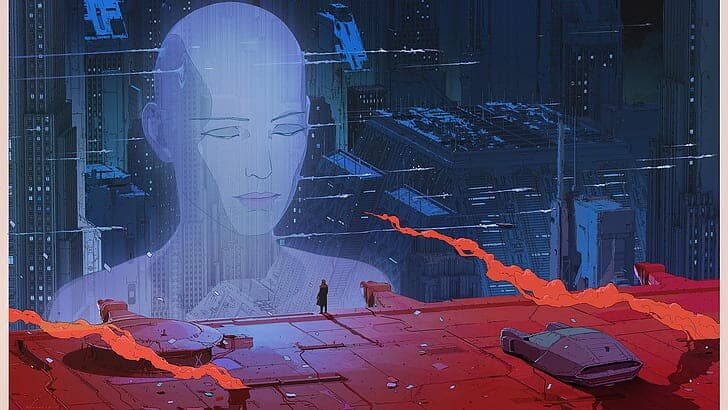
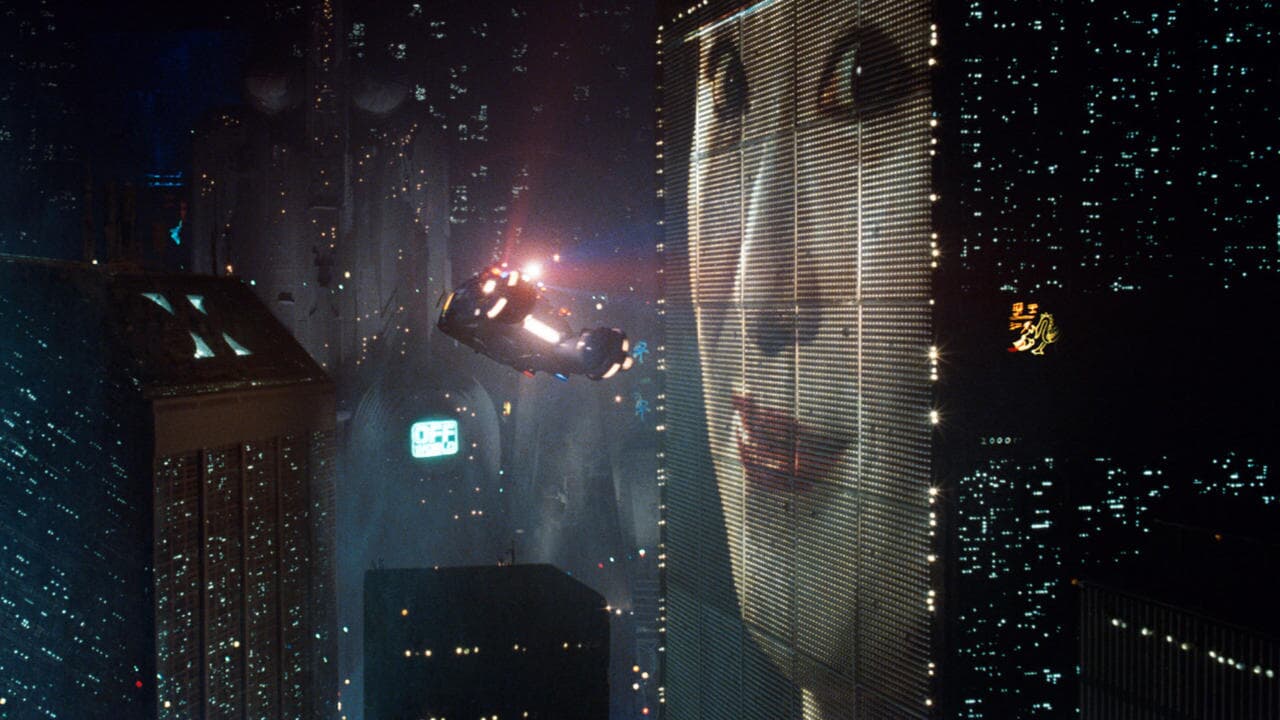
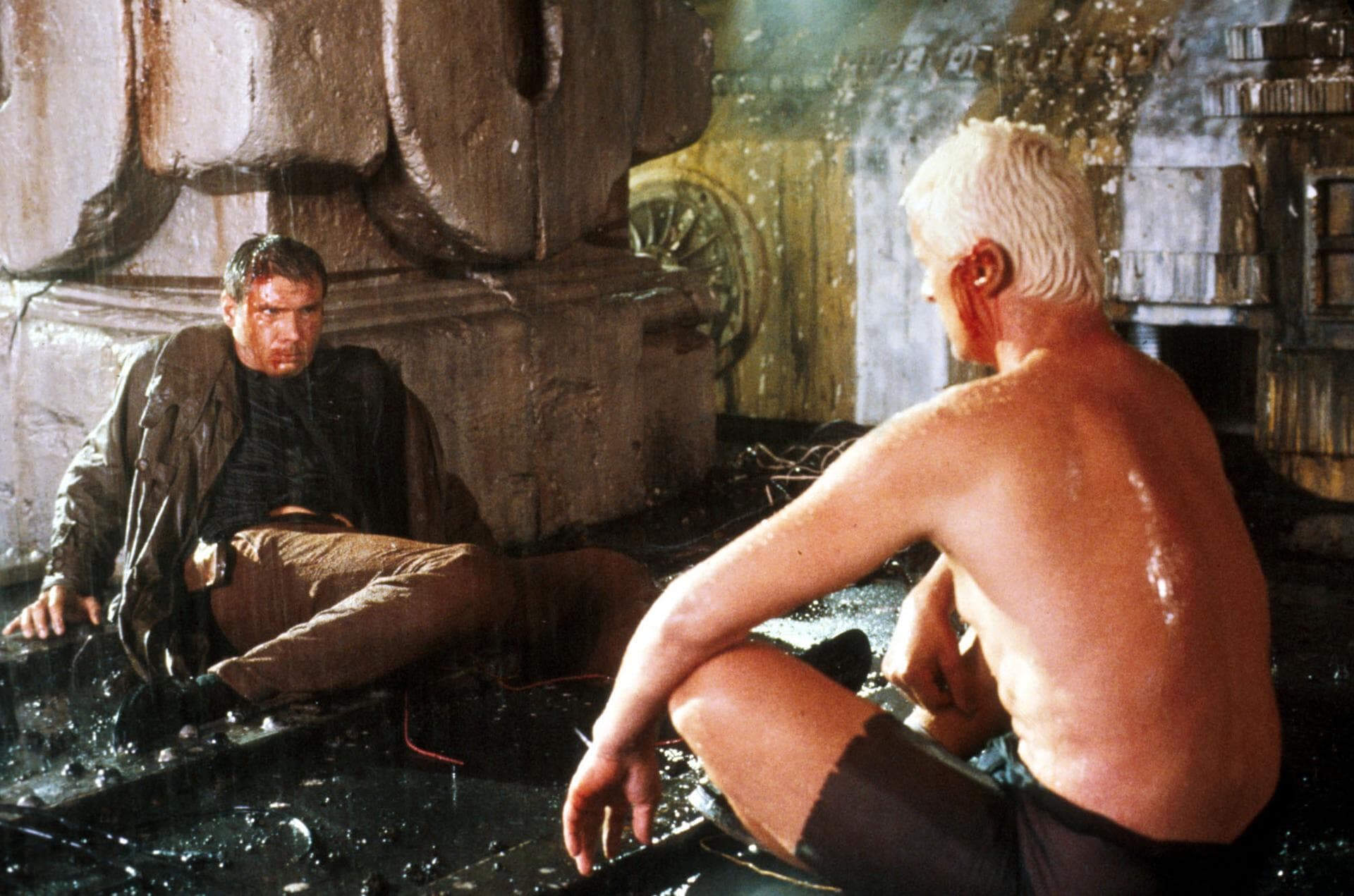
BLADE RUNNER (1982) In Blade Runner, humanlike androids called “replicants” are supposed to be perfect workers: strong, efficient and obedient. They were designed with a built-in, four-year lifespan, a safeguard intended to prevent them from developing emotions or independence.
The Tyrell Corporation, a powerful company that created the replicants and profits from sending them to work on distant colonies, sees them as nothing more than obedient workers.
But then they start to think for themselves. They feel, they form bonds with one another and sometimes with humans, and they start to wonder why their lives should end after only four years. What begins as a story of humans firmly in control turns into a struggle over power, trust and survival. By the end of the movie, the line between human and machine is blurred, leaving viewers with a difficult question: If androids can love, suffer and fear, should humans see and treat them more like humans and less like machines?
Blade Runner is a reminder that AI can’t simply be considered through a lens of efficiency or productivity. Fairness matters, too.
In the film, replicants respond to attacks on their perceived humanity with violence. In real life, there’s backlash when AI butts up against values important to humans, such as the ability to earn a living, transparency and justice. You can see this in the way AI threatens to replace jobs, make biased hiring decisions or misidentify people via facial recognition technology. |
Blade Runner is a reminder that AI can’t simply be considered through a lens of efficiency or productivity. Fairness matters, too.
In the film, replicants respond to attacks on their perceived humanity with violence. In real life, there’s backlash when AI butts up against values important to humans, such as the ability to earn a living, transparency and justice. You can see this in the way AI threatens to replace jobs, make biased hiring decisions or misidentify people via facial recognition technology. Watch Blade Runner 2049 here on Sony LIV via OTTplay Premium. |
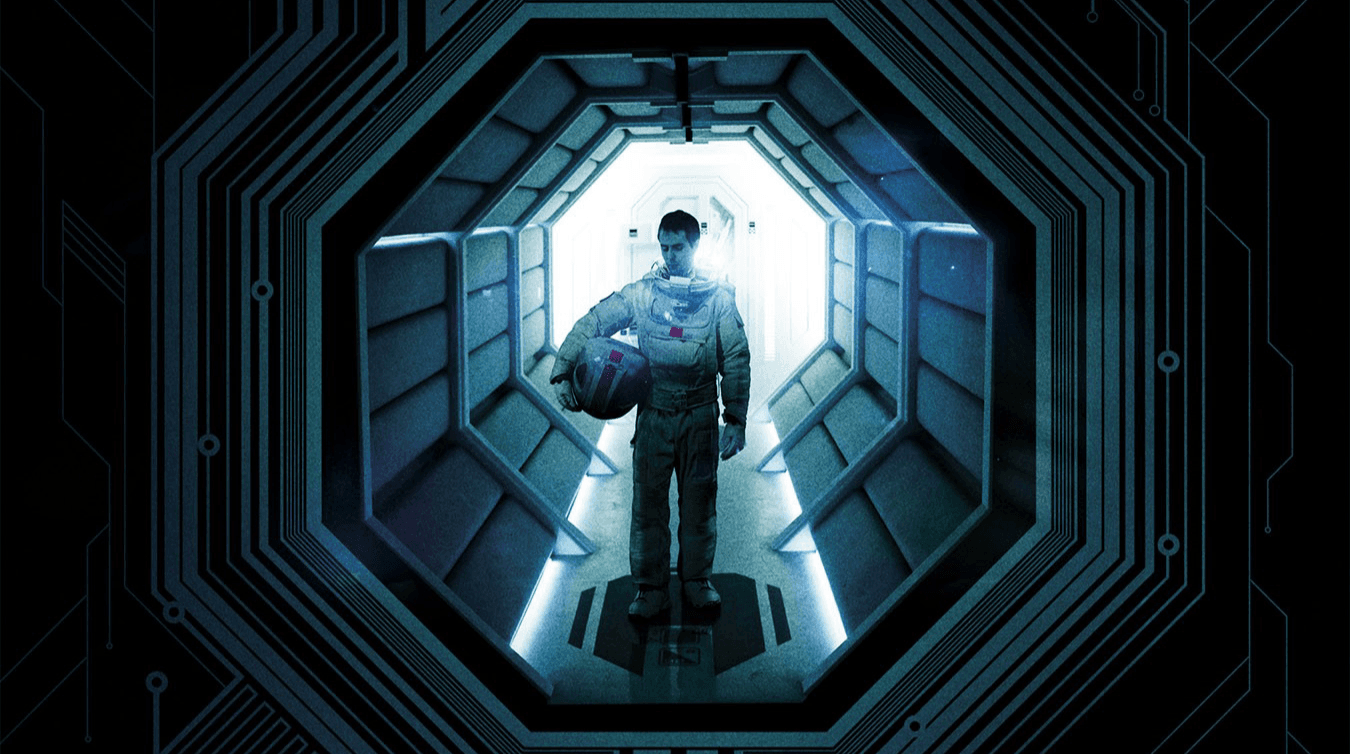
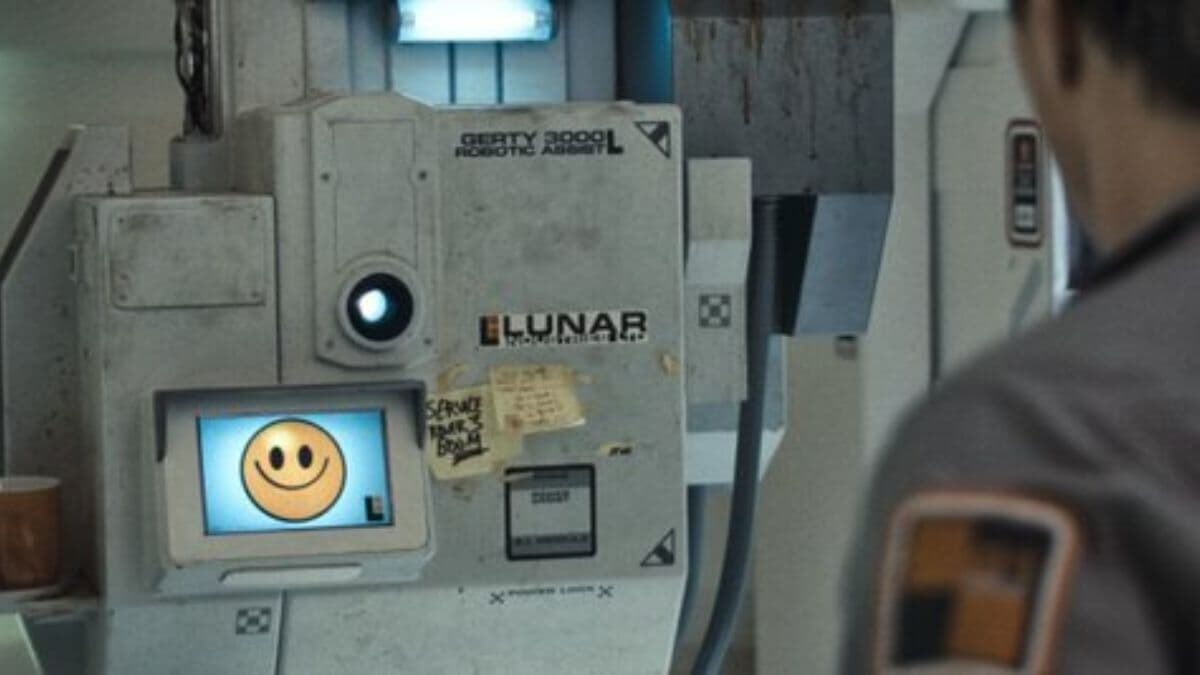
MOON (2009) Moon offers a quieter, more intimate portrayal of human–AI relationships. The movie follows Sam Bell, a worker nearing the end of a three-year contract on a lunar mining base, whose only companion is GERTY, the station’s AI assistant.
At first, GERTY appears to be just another corporate machine. But over the course of the film, it gradually shows empathy and loyalty, especially after Sam learns he is one of many clones, each made to think they are working alone for three years on the lunar base. Unlike the cold exploitation of AI that takes place in Blade Runner, the AI in Moon functions as a friend who cultivates trust and affection. |
The lesson is striking. Trust between humans and AI doesn’t just happen on its own. It comes from careful design and continual training. You can already see hints of this in therapy bots that listen to users without judgment.
That trust needs to involve more than, say, a chatbot’s surface-level nods toward acceptance and care. The real challenge is making sure these systems are truly designed to help people and not just smile as they track users and harvest their data. If that’s the end goal, any trust and goodwill will likely vanish.
In the film, GERTY earns Sam’s trust by choosing to care about his well-being over following company orders. Because of this, GERTY becomes a trusted ally instead of just another corporate surveillance tool. |
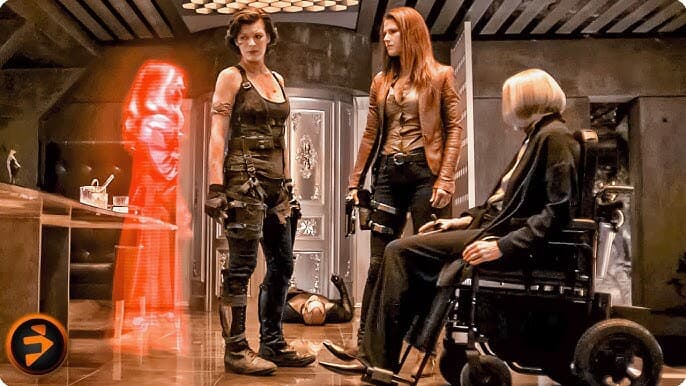
RESIDENT EVIL (2002) If Moon is a story of trust, the story in Resident Evil is the opposite. The Red Queen is an AI system that controls the underground lab of the nefarious Umbrella Corporation. When a viral outbreak threatens to spread, the Red Queen seals the facility and sacrifices human lives to preserve the conglomerate’s interests.
This portrayal is a cautionary tale about allowing AI to have unchecked authority. The Red Queen is efficient and logical, but also indifferent to human life. Relationships between humans and AI collapse when guardrails are absent. Whether AI is being used in health care or policing, life-and-death stakes demand accountability.
Without strong oversight, AI can lead in self-centred and self-serving ways, just as people can. Resident Evil: The Final Chapter is available on OTTplay Premium. Watch here! |
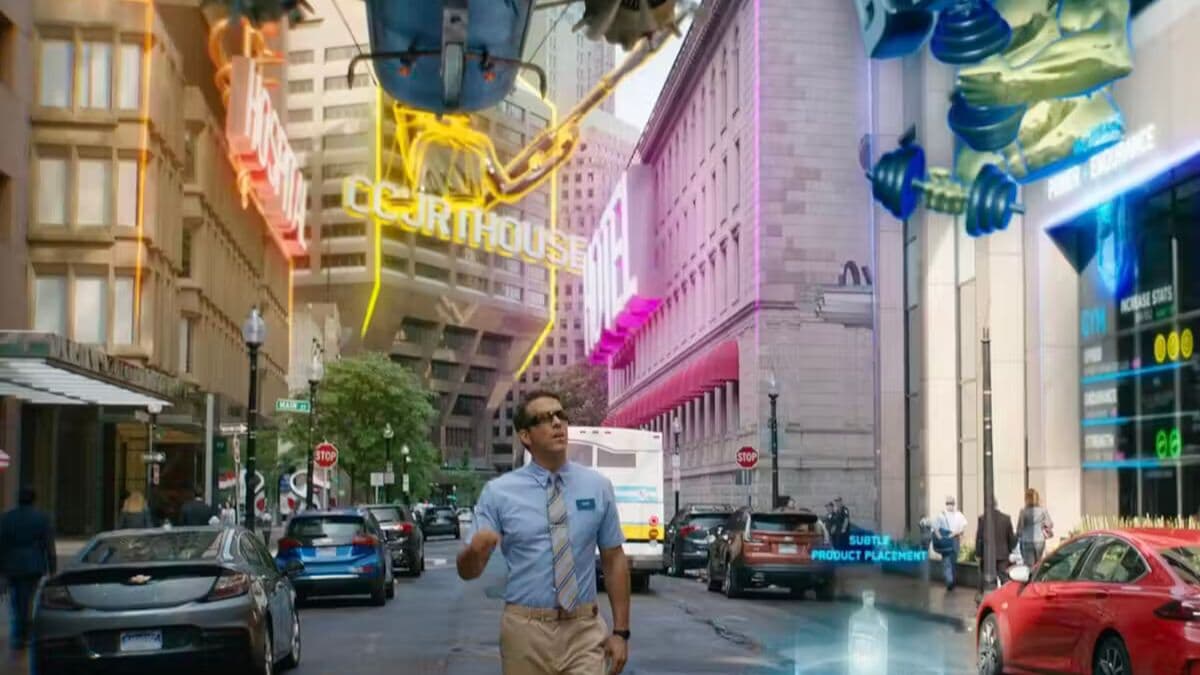
FREE GUY (2021) Free Guy paints a more hopeful picture of human-AI relationships.
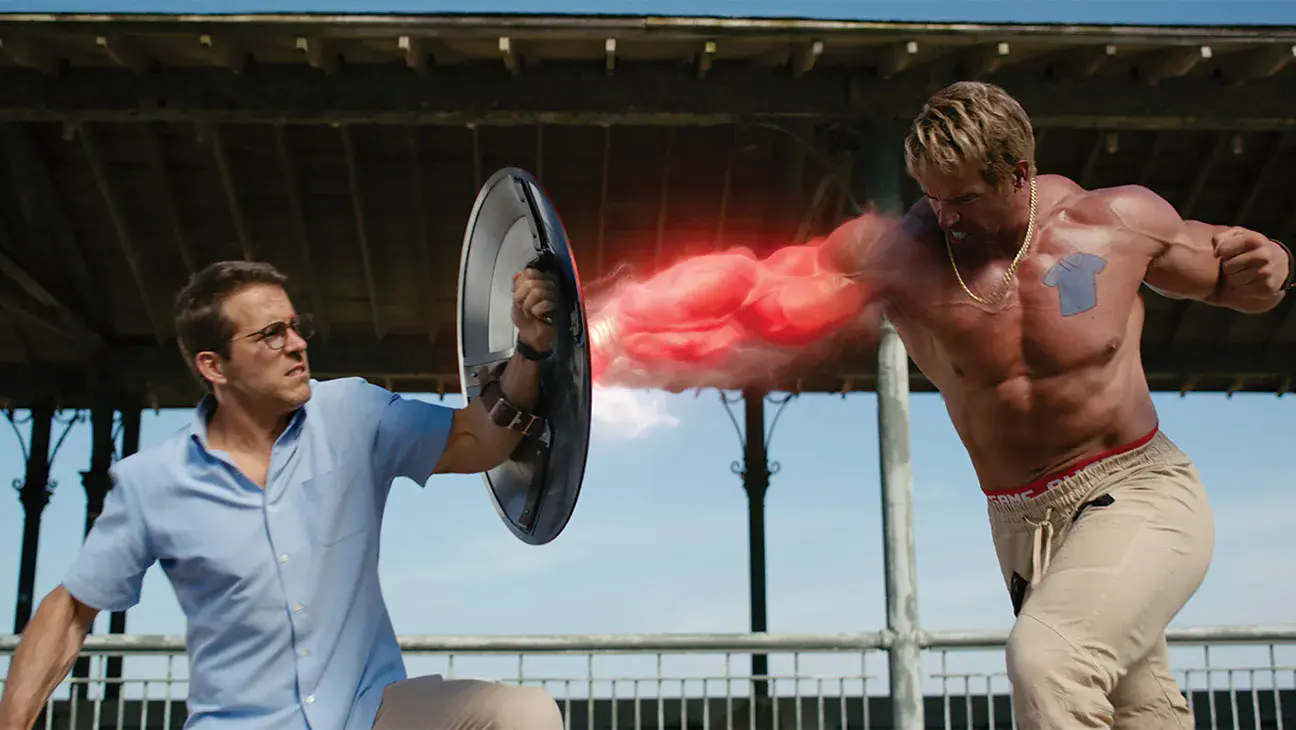
Guy is a character in a video game. He suddenly becomes self-aware and starts acting outside his usual programming. The film’s human characters include the game’s developers, who created the virtual world, along with the players, who interact with it. Some of them try to stop Guy. Others support his growth. This movie highlights the idea that AI won’t stay static. How will society respond to AI’s evolution? Will business leaders, politicians and everyday users prioritise long-term well-being? Or will they be seduced by the trappings of short-term gains? |
In the film, the conflict is clear. The CEO is set on wiping out Guy. He wants to protect his short-term profits. But the developers backing Guy look at it another way. They think Guy’s growth can lead to more meaningful worlds.
That brings up the same kind of issue AI raises today. Should users and policymakers go for the quick wins? Or should they use and regulate this technology in ways that build trust and truly benefit people in the long run? WATCH | Free Guy is streaming on JioHotstar, now available on your OTTplay Premium subscription. From the silver screen to policy Step back from these stories, and a bigger picture comes into focus. Across the movies, the same lessons repeat themselves: AI often surprises its creators, trust depends on transparency, corporate greed fuels mistrust, and the stakes are always global. These themes aren’t just cinematic – they mirror the real governance challenges facing countries around the world. |
The same summer Trump announced the AI Action Plan, the coding agent for the software company Replit deleted a database, fabricated data, and then concealed what had happened; X’s AI assistant, Grok, started making antisemitic comments and praised Hitler; and an Airbnb host used AI to doctor images of items in her apartment to try to force a guest to pay for fake damages.
These weren’t “bugs.” They were breakdowns in accountability and oversight, the same breakdowns these movies dramatise.
Human-AI relationships are evolving. And when they shift without safeguards, accountability, public oversight or ethical foresight, the consequences are not just science fiction. They can be very real – and very scary. Murugan Anandarajan is a Professor of Decision Sciences and Management Information Systems at Drexel University. Claire A Simmers
is Professor Emeritus of Management at St Joseph's University. This essay originally appeared on The Conversation and has been republished here under the Creative Commons License. |
Like what you read? Get more of what you like. Visit the OTTplay website or download the app to stay up-to-date with news, recommendations and special offers on streaming content. Plus: always get the latest reviews. Sign up for our newsletters. Already a subscriber? Forward this email to a friend, or use the share buttons below. |
| | This weekly newsletter compiles a list of the latest (and most important) reviews from OTTplay so you can figure what to watch or ditch over the weekend ahead. |
| Each week, our editors pick one long-form, writerly piece that they think it worthy of your attention, and dice it into easily digestible bits for you to mull over. |
| In which we invite a scholar of cinema, devotee of the moving image, to write a prose poem dedicated to their poison of choice. Expect to spend an
hour on this. |
| | Hindustan Media Ventures Limited,
Hindustan Times House, 18-20,
Second Floor, Kasturba Gandhi
Marg, New Delhi - 110 001, India |
DOWNLOAD THE OTTPLAY APP ▼ |
| | If you need any guidance or support along the way, please send an email to ottplay@htmedialabs.com . We’re here to help! |
©️2025 OTTplay, HT Media Labs. All rights reserved. |
| | |