How Popcorn Became The World’s Favourite Movie Snack |
Popcorn wasn’t always welcome in cinemas. Here’s how it became the world’s most iconic — and profitable — movie snack. |
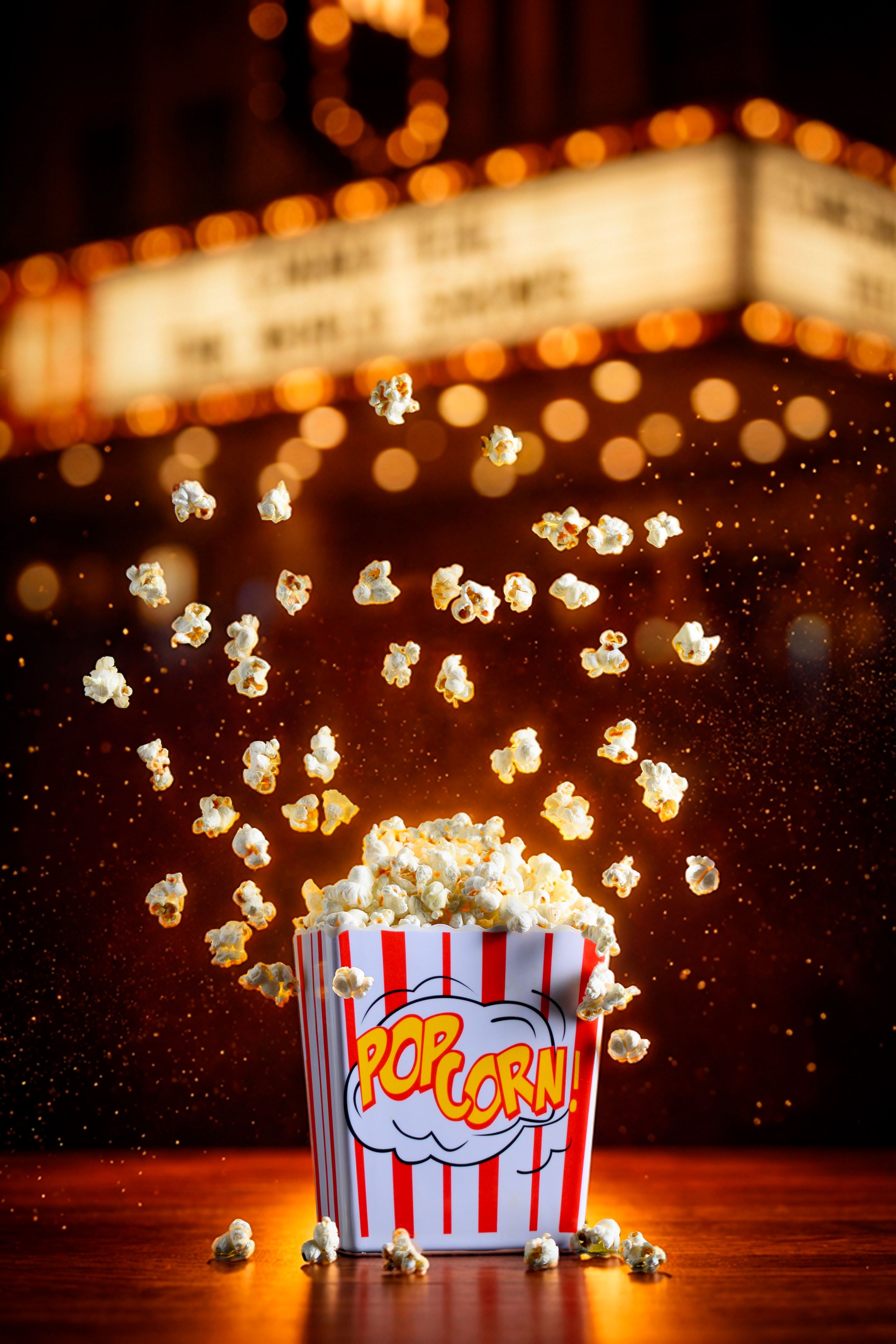
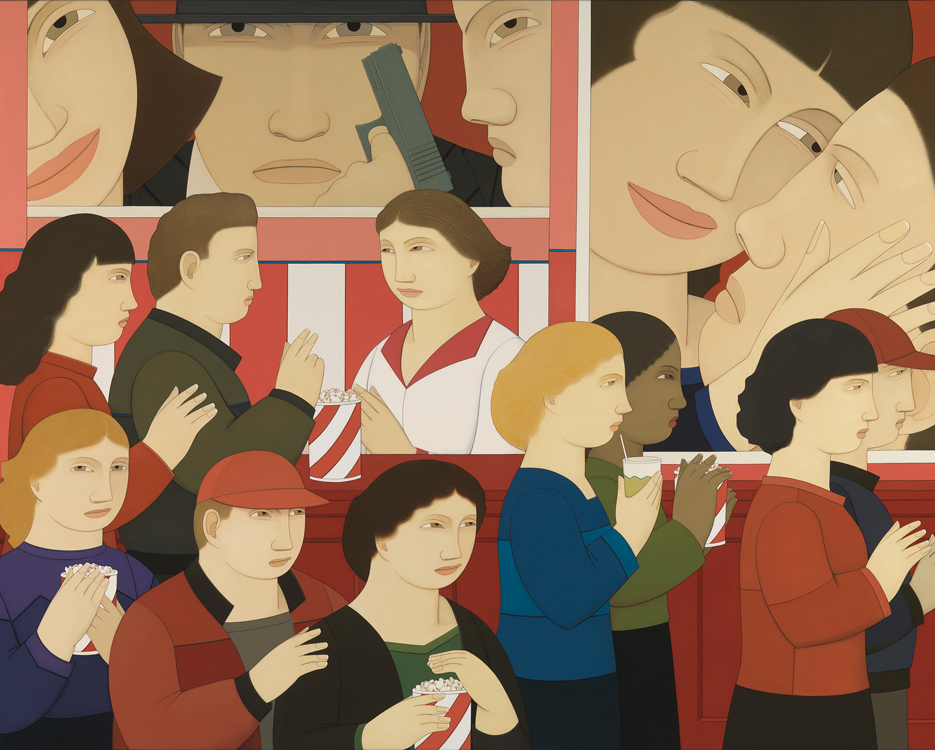
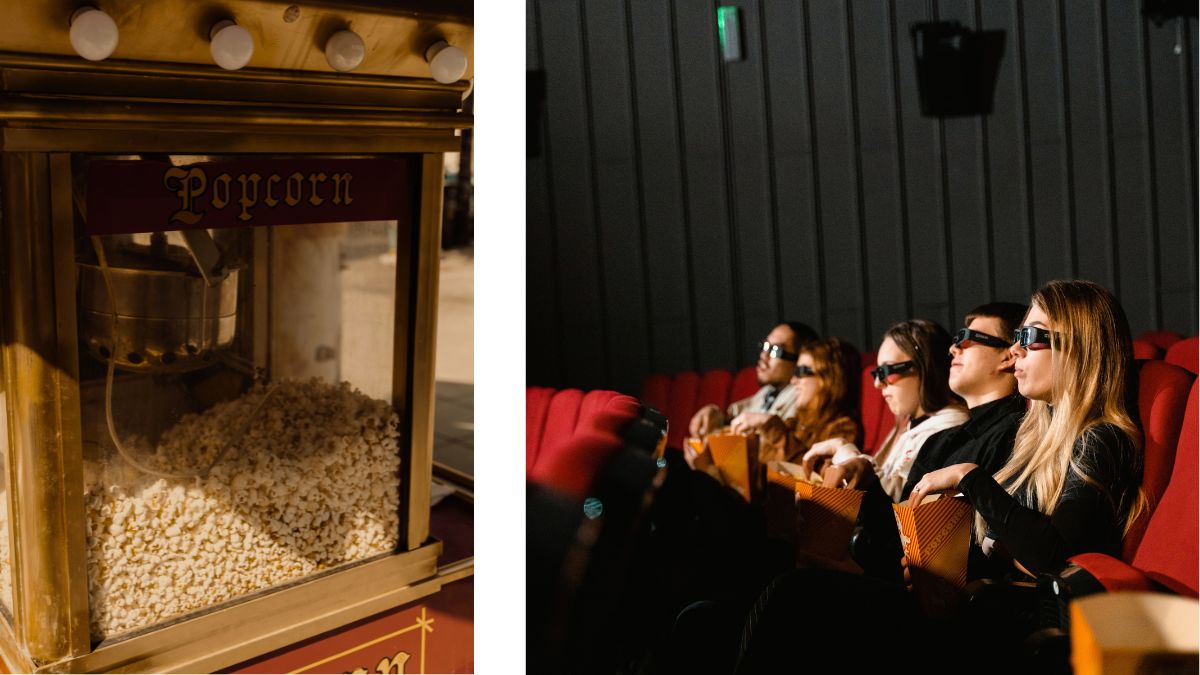
AN OUTING TO THE CINEMA isn’t just about seeing a movie; it is a full sensory experience, with a big screen and big snacks. An epic film demands the panoramic widescreen, thunderous surround sound and giant buckets of popcorn that somehow never taste the same at home. Throughout the history of cinema, however, popcorn has been both scorned as a messy lowbrow distraction and hailed as a profit-making saviour for a floundering film industry. Popcorn as an ancient snack food Popcorn is one of the oldest foods we still consume as a snack, with archaeological evidence from Peru, circa 6,700 years ago. Bernabé Cobo, a Jesuit missionary in Peru in the early 17th century, observed the local people making popcorn, toasting it until it burst, and eating it as a confection called Pisancalla. French explorers in the Great Lakes region of North America in 1612 saw the Iroquois people heating corn kernels in a clay pot filled with hot sand until they popped, then adding them to a soup. Colonists adopted the practice in the Americas, either using an enclosed wire mesh basket over an open flame or a horizontally mounted thin metal cylinder turned with a hand crank in front of a fireplace. |
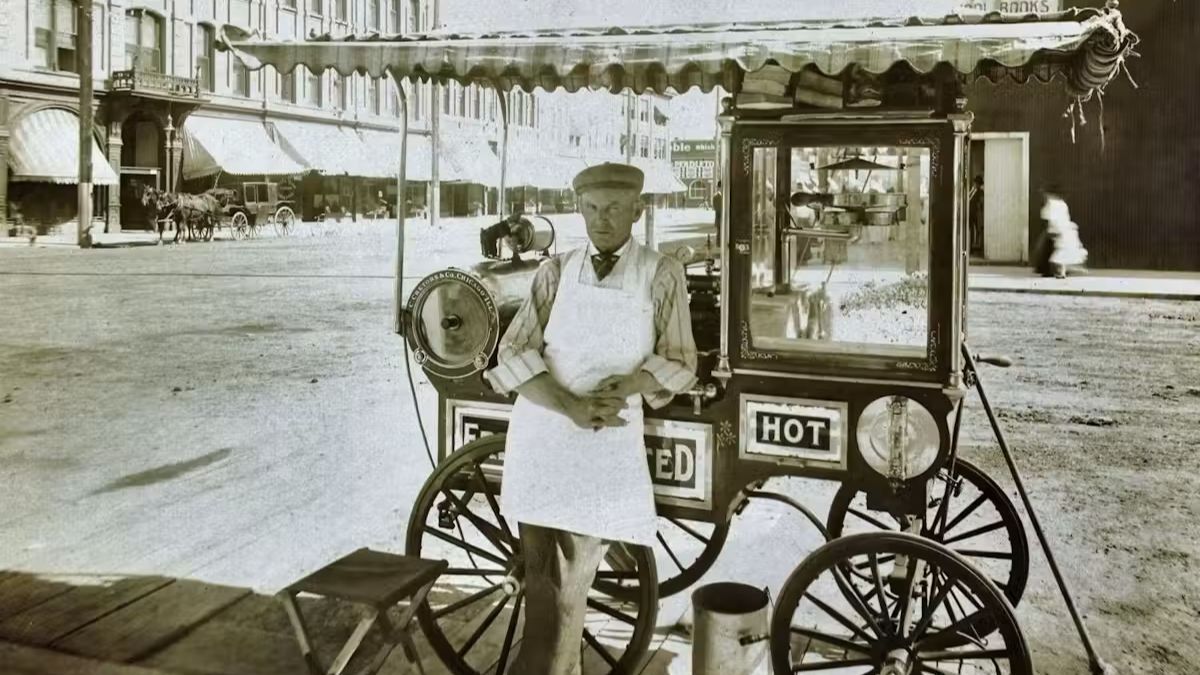
First bites at the fairground In 1885, a new steam-powered automatic popcorn machine was invented in Chicago by Charles Cretors, cooking kernels in a combination of vegetable oil and animal fat. He exhibited his invention at the World’s Fair in Chicago in 1893, and by 1900, he had switched to electricity, and machines shifted from street carts to shops. Popcorn and peanuts were already popular at fairgrounds when moving pictures joined the lineup of entertainments on offer, and the snacks followed the audience into the theatre. The cinema developed from a fairground attraction to a destination in its own right in 1896. Nickelodeons (a nickel for admission, and odeon means theatre in Greek), or “penny gaffs” in Britain, offered inexpensive viewing venues. By the 1920s, owners tried to establish film theatres as more refined spaces, “movie palaces” with carpets and furnishings normally associated with highbrow entertainment. Patrons munching on popcorn or peanuts did not match the sophisticated ambience of the new architecturally designed spaces. The noisy crunch of snacks also interfered with watching a silent film. |
An affordable luxury In 1927, the first motion picture with sound, The Jazz Singer, opened in New York. “Talkies” revived the movie business, and popcorn was less of a noisy distraction with a film’s soundtrack. The Great Depression in the 1930s meant many luxuries were beyond the reach of most people, but a movie ticket was still affordable, and a 5-cent bag of popcorn drew audiences into the theatres, boosting sales. Initially, cinema owners leased space in the lobby or outside to vendors until they realised that the profit margin for popcorn was over 70 percent. During the Second World War, the rationing of sugar meant that many types of candy were not available or became expensive. Popcorn was a cheap substitute and consumption went up 300 percent. |
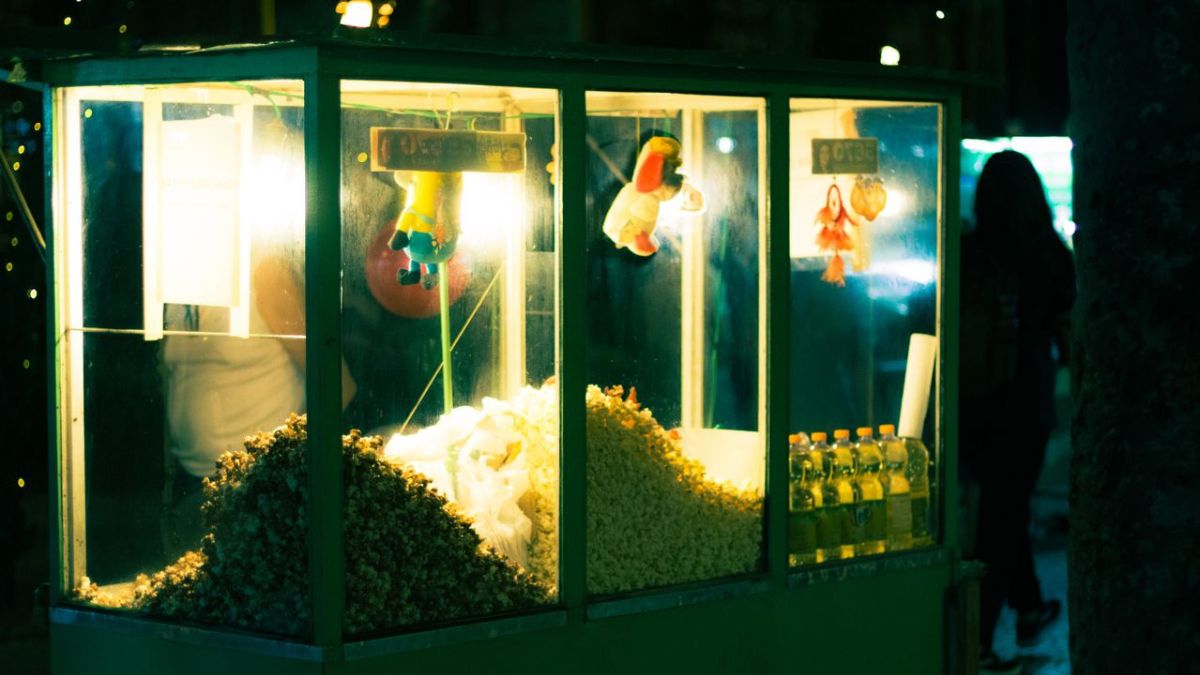
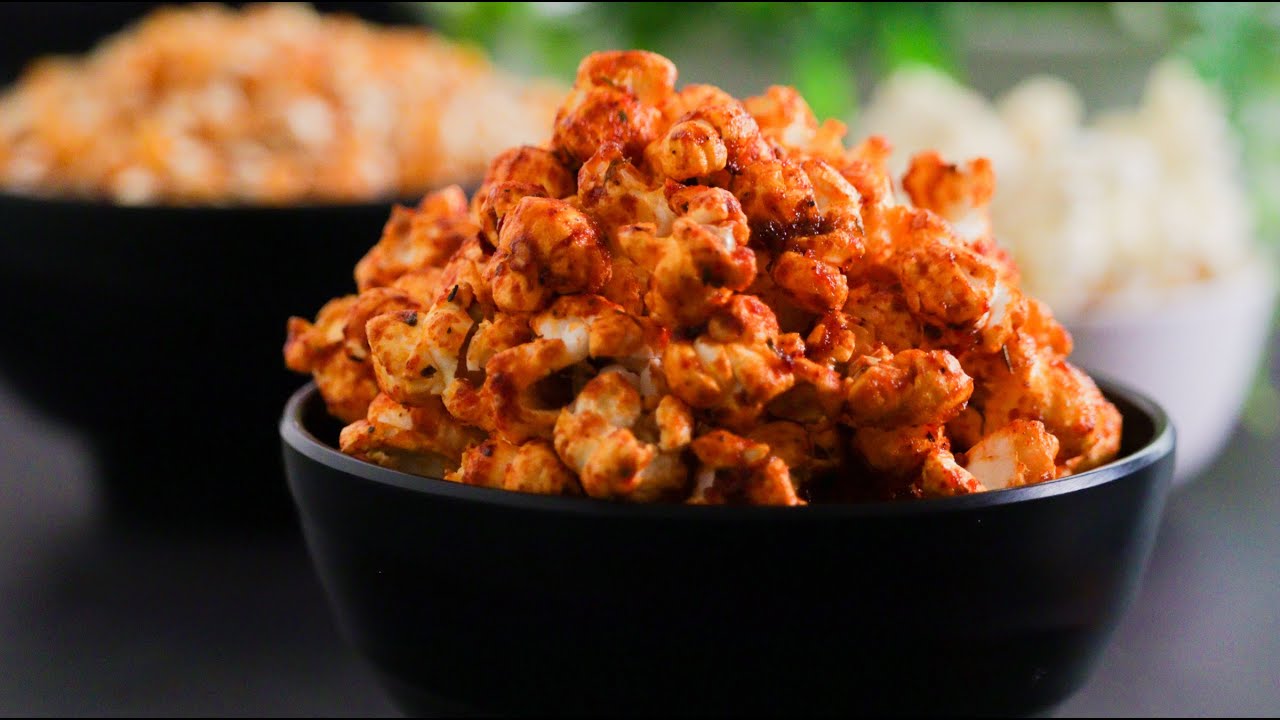
Popcorn’s sidekicks Popcorn in the cinema is popular around the world, with a sweet and savoury divide, often drawing on local flavours. Spicy masala blends are popular in India; Japanese popcorn may include bits of umami-rich seaweed; caramel popcorn dominates the Chinese market. Indian multiplexes have also embraced nachos, samosas and sandwiches alongside popcorn, reflecting the country’s diverse snacking culture. And while popcorn is clearly a main character, ice cream is a trusty sidekick in the movie snack combo. As cinemas evolved, popcorn found company. Ice cream, chocolate bars, nachos and soft drinks became staples at multiplexes around the world, each country adding its own favourites to the concession stand. |
Some local offerings, however, are not just variations on familiar favourites. Salty Dutch liquorice is a sweet-meets-savoury taste that not everyone acquires, but roasted ants in Colombia are a next-level delicacy at the movies. Hormigas culonas (translated literally as big-bottomed ant) are a species of leaf-cutter ant, Atta laevigata. In Colombia’s Santander region, the ants are a luxury item, the caviar of Colombia. The legs and wings of the queen ants are removed, and the bodies are roasted to create a crunchy, high-protein food offering as much adventure in your snack as on the screen. But whether it be popcorn or ants, the food we eat in the dark while we watch a movie is an essential element of attending the cinema for many people. The aroma of freshly popped buttered popcorn, the snap of a chocolate-coated ice cream bar or the crunch of a favourite movie snack are sensory experiences that, like the big screen itself, simply aren’t the same at home. This article is adapted from a piece by Garritt C. Van Dyk, Senior Lecturer in History at the University of Waikato, originally published on The Conversation. It has been reproduced here under the Creative Commons licence. |
Hey there, foodie! Want to get in touch? Just drop in on our Insta page and say hi! Forward this newsletter to someone who’d love bite-sized tidbits on all things food, or share using the buttons below ⬇️ Got this email from a friend? Sign up! |
|
|
½ cup popcorn kernels
2 tbsp neutral oil (or ghee for a richer flavour)
1 tsp melted butter (optional)
½ tsp chaat masala
¼ tsp Kashmiri red chilli powder
¼ tsp roasted cumin powder
⅛ tsp turmeric powder
¼ tsp black pepper powder
½ tsp fine salt (or to taste)
1 tsp dried mango (amchur) powder (optional, for extra tang)
A pinch of sugar (optional, to balance the spice)
1 tsp finely chopped curry leaves, crisp-fried (optional)
1 tsp finely chopped coriander leaves (optional, for garnish) |
Heat the oil in a large, heavy-bottomed pot over medium heat. Add 2–3 popcorn kernels and cover the pot.
Once the test kernels pop, add the remaining kernels in an even layer. Cover immediately and gently shake the pot every few seconds.
When the popping slows to 2–3 seconds between pops, remove the pot from the heat and let it rest for 30 seconds before uncovering.
In a small bowl, combine the chaat masala, chilli powder, roasted cumin, turmeric, black pepper, salt and amchur (if using).
Drizzle the warm popcorn with the melted butter, then sprinkle over the spice mix. Toss well until every kernel is evenly coated.
Finish with crisp curry leaves or chopped coriander, if using, and serve immediately. |
|
|
In-depth, well-researched narratives about food. From the evolution of mock meats, to the cuisine of Gondal’s royal kitchen, you’ll find a food story that keeps you hooked. |
These stories and recipes celebrate a vital part of Indian festivals: food. And our editors will even line up star chefs to share their holiday cooking secrets with you. |
|
|
Food journeys that take a turn for the unexpected. Serendipity guides these down-the-rabbit-hole explorations: who knows, poee might just lead to misal pav. |
In which Nirmalya Dutta and Avinash Mudaliar pick a theme, any theme, and find a way to introduce readers to all the food trivia that might be linked to that idea. |
|
|
|
Hindustan Media Ventures Limited,
Hindustan Times House, 18-20,
Second Floor, Kasturba Gandhi
Marg, New Delhi - 110 001, India |
DOWNLOAD THE SLURRP APP ⬇️ |
|
|
If you need any guidance or support along the way, please send
an email to slurrp@htmedialabs.com. We’re here to help! |
©️2026 Slurrp, HT Media Labs. All rights reserved. |
|
|
|







.png)
.png)
