Hello, Sailors—It's Your Wag Odyssey!Chris Nolan's Fantastic Voyage. Plus: Appreciating Sam Neill, Midsummer Reads From Carla Power, David Thomson, Shannon Sanders, and Much More ...
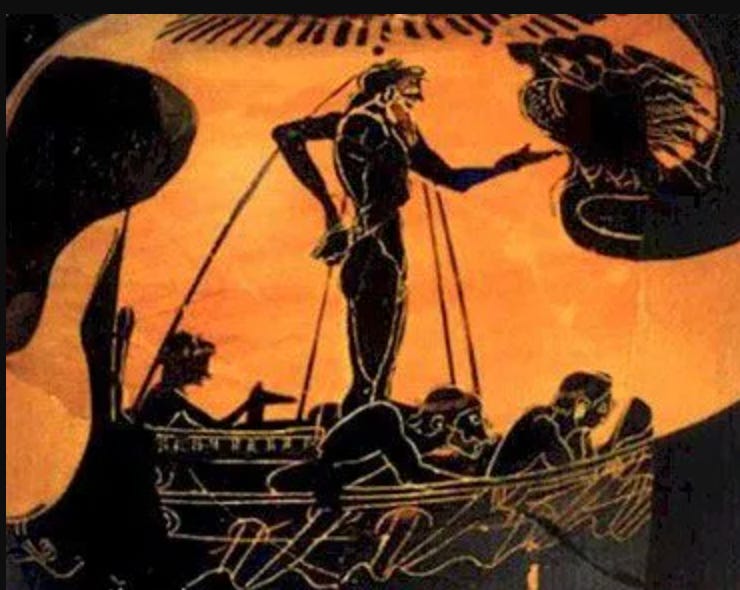
Sing in me, Muse, and through me tell the story / of that man skilled in all ways of contending, / the wanderer, harried for years on end, / after he plundered the stronghold / on the proud height of Troy. Dear Wags, We toss on a wine-dark sea, pawns in the plots and conspiracies of vain, mercurial gods. The world is full of temptations and monsters, and we yearn for the comfort of home. This is our odyssey, where the only safe harbor is found in ancient stories. This defining narrative, the 3,000-year-old epic that informs countless others, will plunder the box office on July 17. Christopher Nolan, a determinedly theatrical impresario, will not let you down. His Odyssey is not just a three-hour movie, not just another big swing, but a 50-oared, star-studded pentacore: an unsinkable blockbuster. Reviews may still be embargoed, but word-of-mouth has already rendered them beside the point. It is the picture of the summer, and like Nolan’s Oppenheimer, probably the picture of this and many future years. For all the bells and whistles, it is also a deeply nostalgic exercise: the old story, the familiar stars, the sense that we thrill to grand, reassuring adventure, from Homer to Hollywood. But how can you not be sentimental about a tale set in 1200 BCE? This Odyssey is intended to channel and transcend the anxieties of a dreary moment—an era of despicable men and disgraceful scandal, regurgitated endlessly in 60-second videos. Hectoring algorithms tell us that the age of literacy is over, that the civilization capable of producing an Odyssey is at a breaking point. A few months back, Nolan’s film was swarmed by culture war harpies because of its multiethnic cast. The traffic-driving idiocy centered on Lupita Nyong’o playing Helen of Troy (as if Matt Damon’s Odysseus looks Greek). Aren’t we sick of this by now? What’s really driving this culture into irrelevance is a collective failure of imagination. Yet here we are again, tugging on a loom thread that takes us back to our origins. We do not need to know Homer or whoever first related this adventure. We still know the durable, endlessly repurposed plot and recognize the hero, skilled in all ways of contending, a wanderer, harried for years on end. Every so often, another dark age descends. Great libraries, sacred monasteries, and temples of learning will be put to the torch. The tale will still be passed along. A hero has no choice but to embark on his harrowing journey and hold on for Ithaca. After all these years of trial, his journey is still our own. The Odyssey opens in theaters July 17. Yours Ever,
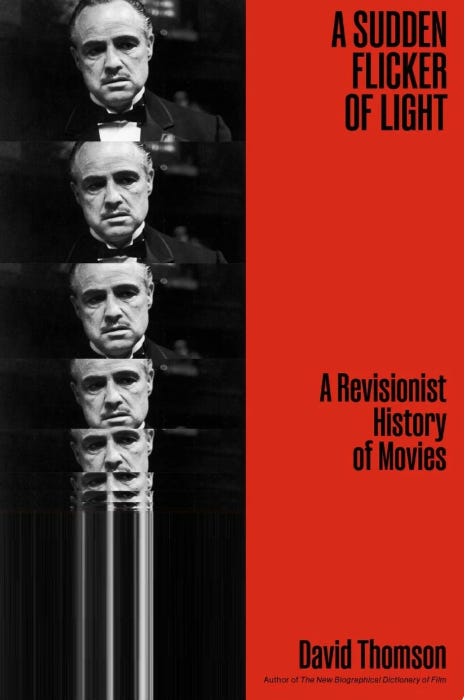
A Sudden Flicker of Light by David Thomson Critic and film historian Thomson is quite possibly the greatest living writer on the movies. Having written more than 20 books, he’s certainly the most prolific, and his latest is a stream-of-consciousness magical mystery tour of an art form, starting with the Lumière brothers and wending all the way to Netflix. About cinema, Thomson has, well, an avalanche of thoughts. His love of the pictures is tempestuous and not unqualified. To his mind, movies represented “the industrialization of voyeurism,” and whether he’s discussing Hitchcock, Polanski, or the Coen brothers, he’s not sure the movies have been very good for us. After all, there’s still something unsavory about watching pictures flicker in the dark. If the future of Hollywood is uncertain, this sharply written history underscores why the movies have been so much fun. —Noah Cross Continue reading this post for free in the Substack app
|