Fandoms are cool until women enjoy somethingFrom football to K-pop, all fandoms are passionate. So why are women's fandoms mocked while men's are celebrated? The problem isn't fandom - it's who belongs to it.
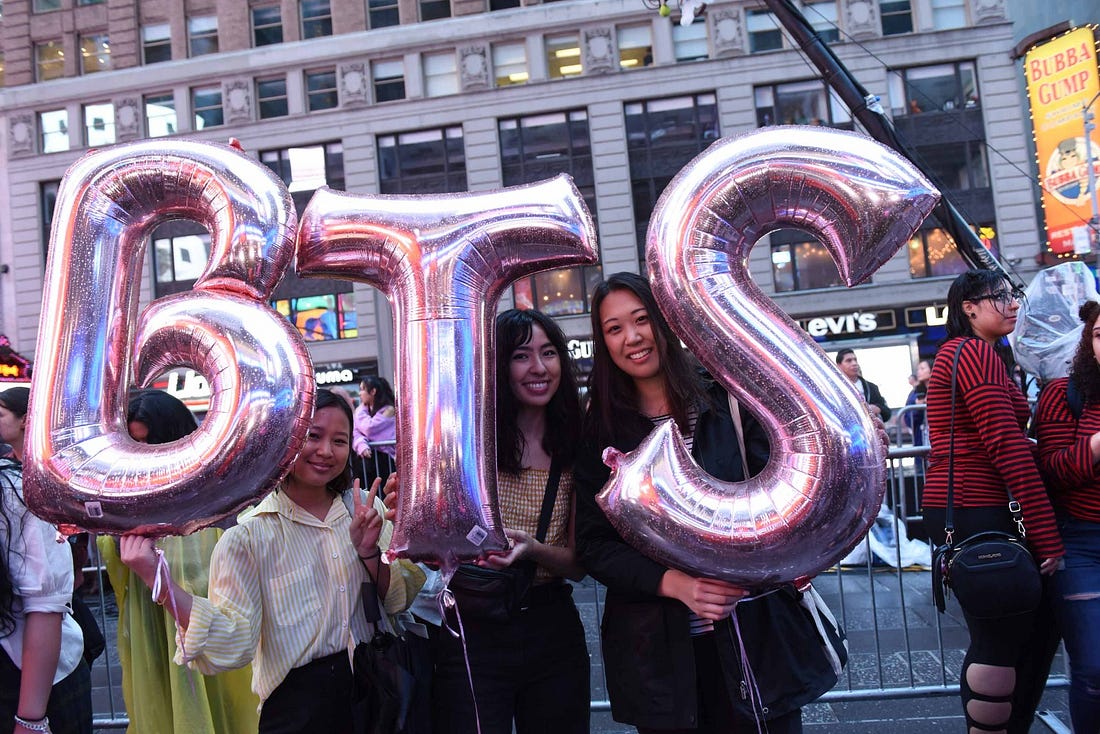
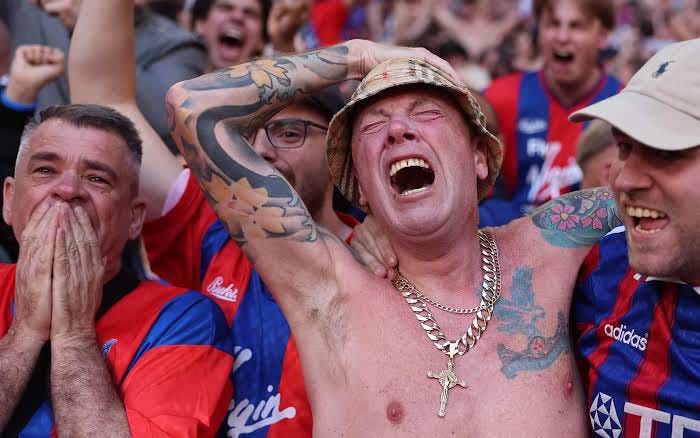
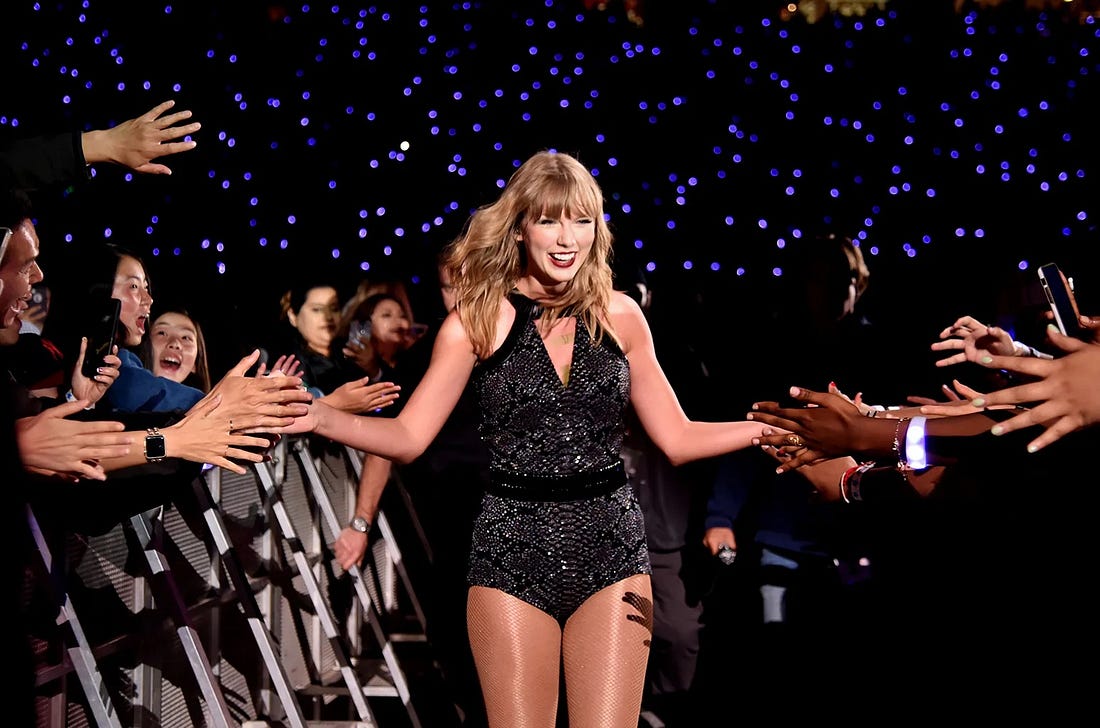
Take any popular sport, cinema, an artist, or a sportsperson, and you will find a loyal, dedicated fandom behind them – be it football fans, fans of sportspersons like Virat Kohli, Messi, Ronaldo or Roger Federer, Swifties (Taylor Swift’s fandom), ARMYs (fans of K-pop group BTS), or even Baldies – the Pitbull fans who recently set a world record for the largest bald cap gathering. But not all fandoms are the same! All fans wholeheartedly support their favourite stars. They make them social media relevant, popularise their work, buy the overpriced merchandise they sell, purchase tickets to go watch them, and even invite new fans to the group. But not every fan group gets the same treatment. If you don’t believe me, ask yourself this: Would you react the same way if you saw a grown man crying because Messi or Ronaldo lost a goal, and a grown woman crying because she got to attend a BTS or a Taylor Swift concert front row? Ever since the FIFA World Cup 2026 began, we have seen adults cry, hug strangers, express their sadness online, show frustration over their favourite teams losing a match, or go on a rampage on X about why their favourite player did not deserve a red or yellow card. And why not? They have the complete right to express their emotions because, at the end of the day, a fan is just a passionate person supporting their idol. So, why is that general consensus not given to women and queer fans? Why is their love for any media often called an obsession? All fandoms - be it football, cricket, K-pop, musicians or tennis – all function with the same ideology. It is society that decides which fandoms are respected as dedicated, loyal fans who enjoy a certain form of art, and which are called rabid or asked to ‘touch grass’, ‘find a life’, or ‘do something meaningful with their time’.
The prejudiceOur society has always had a deep prejudice against things that women and queer fans love. If they love BTS, then the whole fandom is called ‘lame’ and the artists ‘girly’. If they love Harry Styles or Taylor Swift, they are not fans who simply love music; rather, rabid concertgoers who spend money mindlessly. These artists have a dedicated fanbase of teenage girls and women of all ages, so it’s obviously silly and simple. Because women’s interests are always seen as lesser. This is how society has deemed fit to address things that women love. Something similar happened in the 1960s when young female fans of The Beatles – called the Beatlemania – were christened hysterical females, implying that these fans were nothing more than delirious, screaming kids. And it seems, even after so many years, the things women enjoy are still diminished by this ideology. Despite all of this, women still enjoy media aimed at men.
But what’s worse is that women are not even safe when they enter male-dominated fandoms. If they become fans of a male-dominated sport, their love for it is questioned. When I started gaining interest in Formula 1, the first question many of my fellow male friends asked me was, ‘What is a DRS?’ Because women are allowed to like their media, but only if they like it correctly. In fact, I am quite sure that many women who enjoy football or cricket have been asked questions related to the technicalities of the sport. But no one ever asks a man to justify his love for a sport or music. In fact, in female-dominated fandoms, men are wholeheartedly welcomed with open arms. Maybe we have been obsessing and diminishing the wrong gender. In the end, what we need is to realise fandoms are not silly obsessions. It is just fans enjoying the artists they love and supporting them. It is time we stop laughing at women and girls for what they enjoy, and let them be.
|