Fear, Shame & Friendship: The Mental Health Lessons Of Stranger Things
|
The hit Netflix series’ enduring power lies in how it visualises teenage trauma, shame and resilience — and what that means for mental health conversations. Stephen Goldsmith writes.
|
Beyond its monsters and 1980s nostalgia, Stranger Things resonates because it tells stories of struggles familiar to young people: trauma that lingers, identity that wavers, and friendships that buffer against fear. And by turning inner struggles into visible monsters, Stranger Things can provide a lens to discuss trauma, identity and resilience.
Here are some of Stranger Things’ insights into adolescent development and mental health – and how adults can use the show to talk to teenagers about their own mental health. Stream the latest films and shows with OTTplay's Power Play monthly pack, for only Rs 149. FACING OUR FEARS
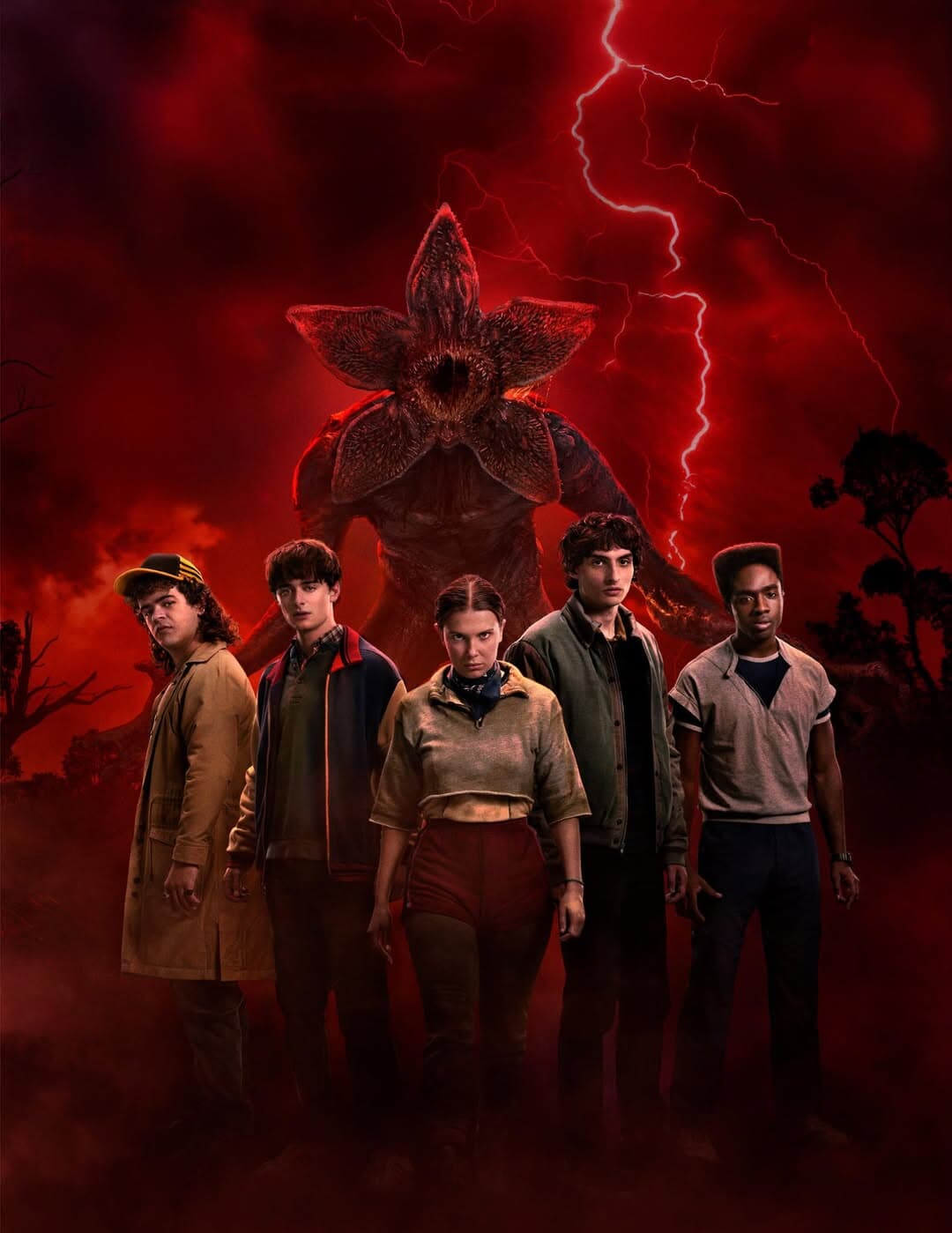
In the series, the Upside Down is a dark mirror of the Hawkins township – a shadow world where threats feed on secrecy and avoidance. It works as a metaphor for “unseen” unprocessed experiences, shame and anxious avoidance.
Avoidance often reduces fear in the short term, but it can maintain post-traumatic stress symptoms over time and interfere with recovery. Avoidance and thought suppression have been shown to increase the severity of post-traumatic stress disorder (PTSD) symptoms.
|
One of the most effective ways to reduce trauma symptoms is exposure to feared memories, sensations or situations in safe, planned ways. Exposure-based treatment, including trauma-focused cognitive behaviour therapy (TF-CBT) and prolonged exposure produce meaningful reductions in PTSD symptoms for adolescents and adults.
Stranger Things dramatises this principle: the young people at the heart of the show must face their fears to overcome their power.
Teens can experience what we might call “Upside Down moments”: times when they feel overwhelmed, ashamed or tempted to withdraw. Adults can validate their feelings and then gently pivot toward exposure. This could be small, supported steps to face what’s difficult (a conversation, a memory, a classroom presentation), rather than escape. ALSO READ | Stranger Things: Why We'd Like To See These Spin-Off Ideas Take Off |
FACING SHAME
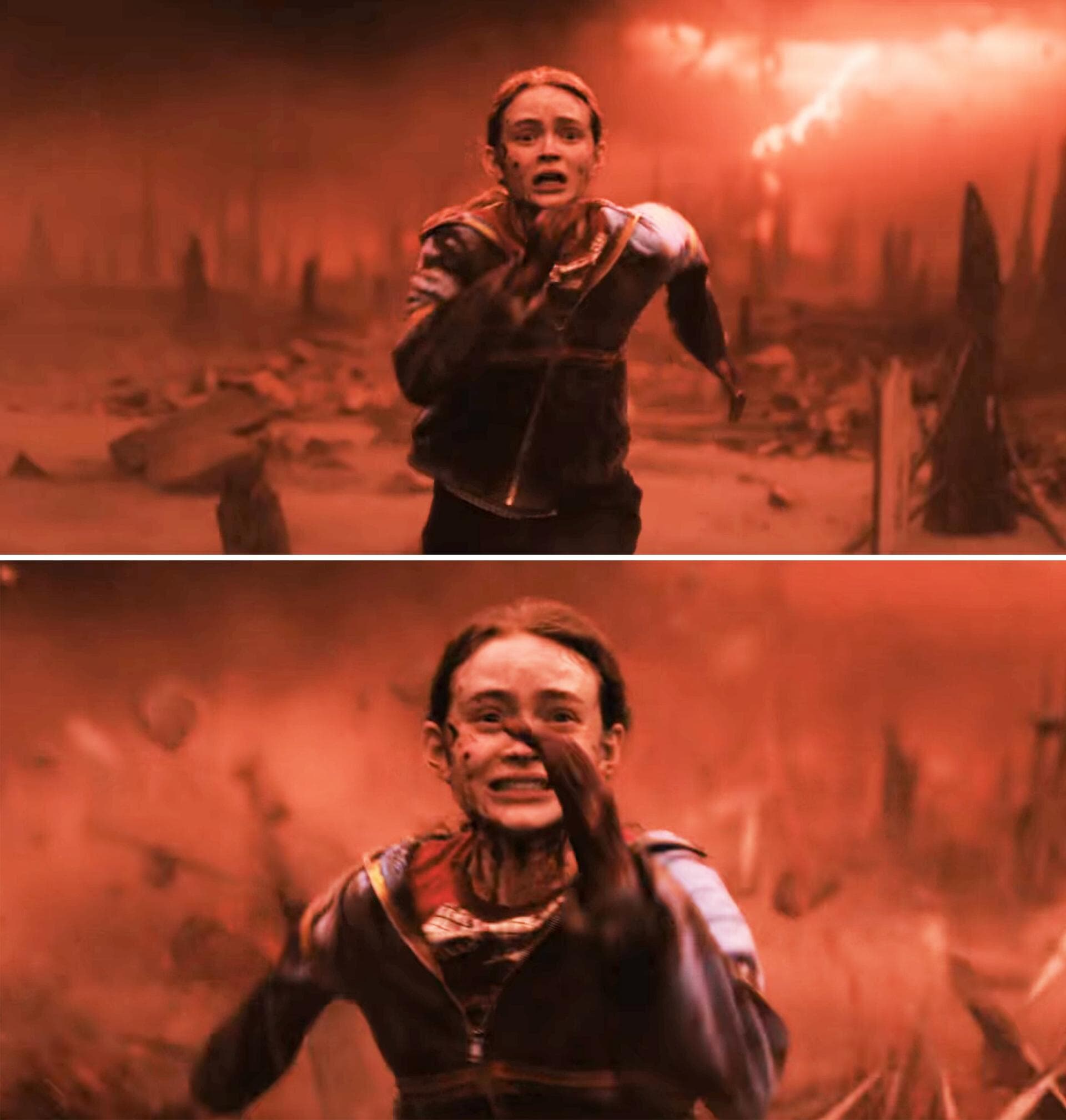
Vecna’s attacks dramatise shame and self-criticism. His voice echoes characters’ darkest self-judgments: Max hears accusations about Billy’s death; Eleven relives failures to protect friends.
Shame and self-criticism are strongly linked with adolescent distress and risk behaviours. Skills like reappraisal (rethinking a situation) and self-compassion reduce shame-proneness and improve emotion regulation.
The show externalises these inner battles, making coping strategies visible.
You can help young people by reminding them that the harsh voice in their head isn’t who they are. It’s just a thought, like a bully they can fight. Ask, “What would you say to a friend in your shoes?” or “What’s one small step to feel more in control?”
Turn shame into something they can face, not something they are.
|
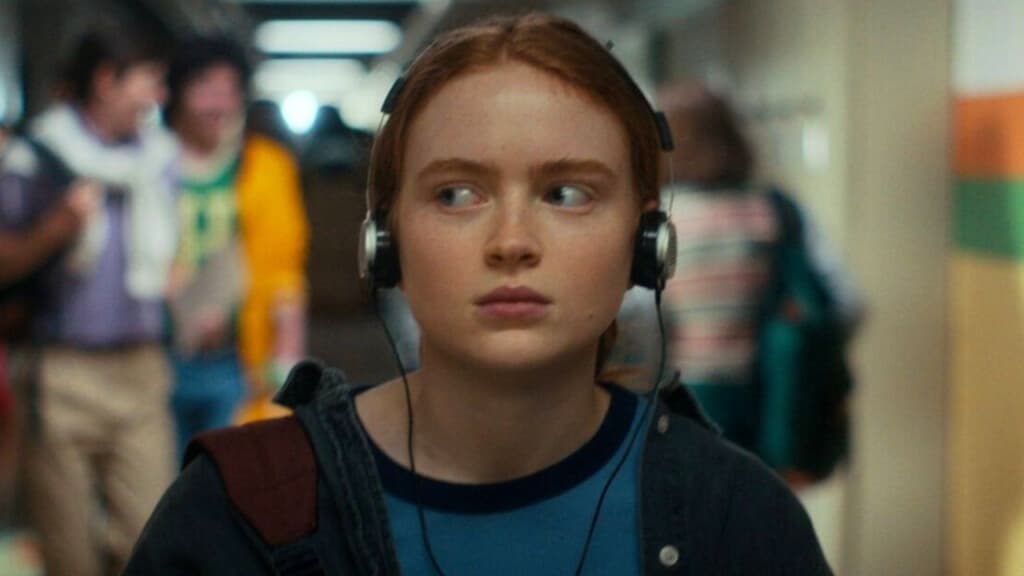
GROUNDING YOURSELF Max’s use of Kate Bush’s 'Running Up That Hill' to break Vecna’s trance is a vivid example of sensory grounding. Teens can replicate this coping tool with music, movement or other sensory anchors during distress.
Music-based activities can support emotion regulation, and grounding techniques are practical ways to reduce flashbacks and anxiety.
Adults can help teenagers “ground” by asking them to notice and name things around them, by counting down from five. This might look like naming five things they can see, four things they can touch, three things they can hear, two things they can smell, and one thing they can taste.
You might also like to work with young people to create a “Vecna playlist” as a sensory anchor – sounds, textures or scents a young person can use when anxiety spikes. Sorcerer or The Rightside Up? Top-rated Stranger Things episodes after the series finale |
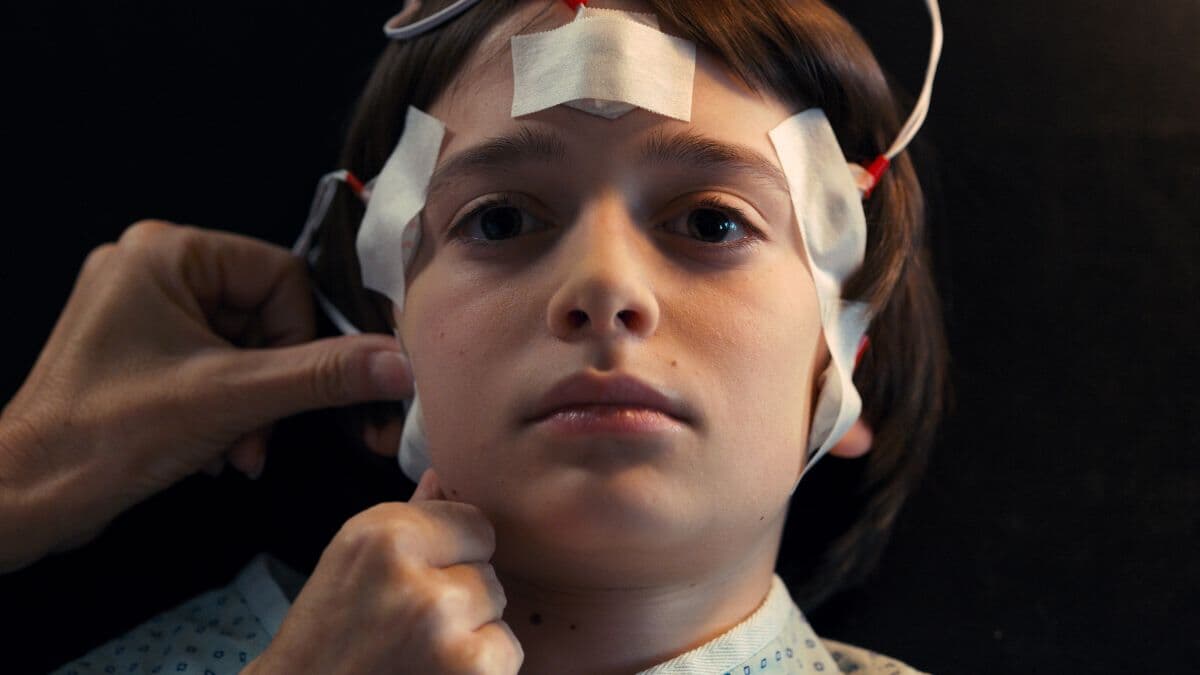
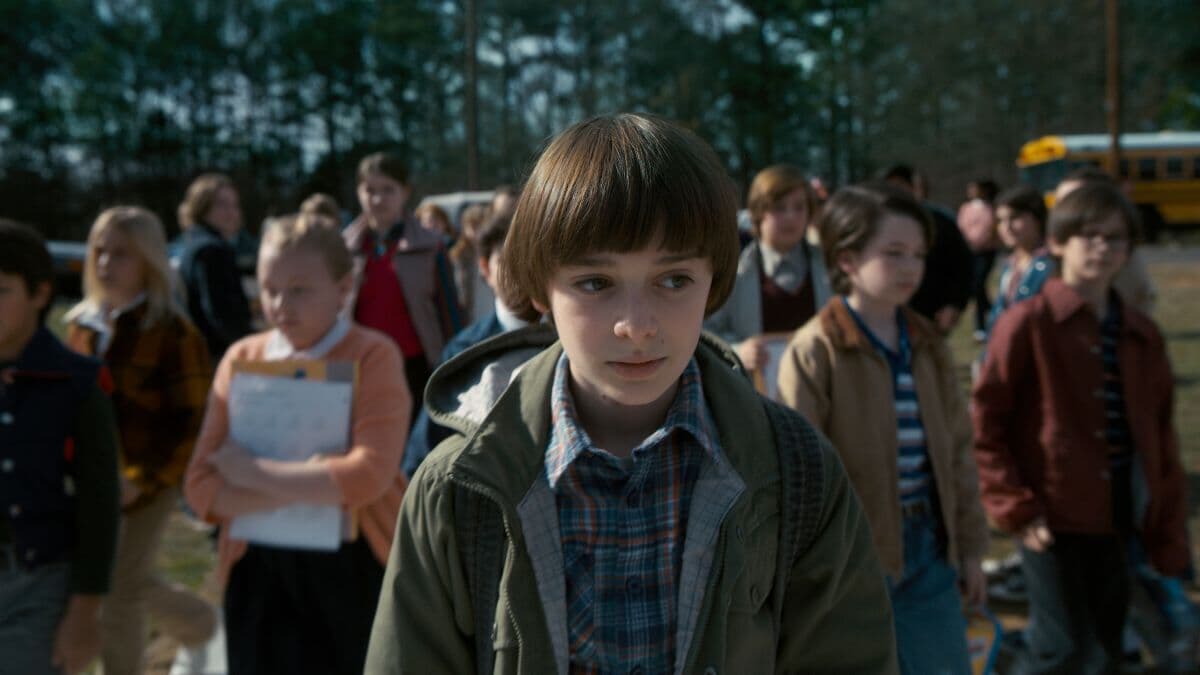
IMPINGING ON DAILY LIFE Will experiences flashbacks and panic long after he escapes the Upside Down. In the show, these are dramatised as him vomiting slugs, sensing the Mind Flayer, and freezing during school events.
Will’s trauma persists beyond his reaching physical safety, mirroring post-traumatic symptoms.
Max embodies complicated grief and survivor's guilt after her brother’s death. Her withdrawn demeanour, risk-taking and fight-or-flight responses echo patterns seen in adolescents grappling with bereavement and trauma, where avoidance and rumination can amplify distress.
After Billy’s death, Max pulls away from her friends and starts taking risks, like skating alone at night. Her fight-or-flight response surges when Vecna targets her, showing how grief can spiral into something more complicated.
When grief becomes tangled like this, people often cope by avoiding reminders of their loss or getting stuck in painful, repetitive thoughts. Both patterns can make the hurt even harder to bear.
Like Will and Max, some teens experience persistent flashbacks, panic, avoidance or guilt. If symptoms impair daily life, adults should consider professional support. Trauma-focused CBT and exposure-based therapies are evidence-based treatments for adolescent PTSD. |
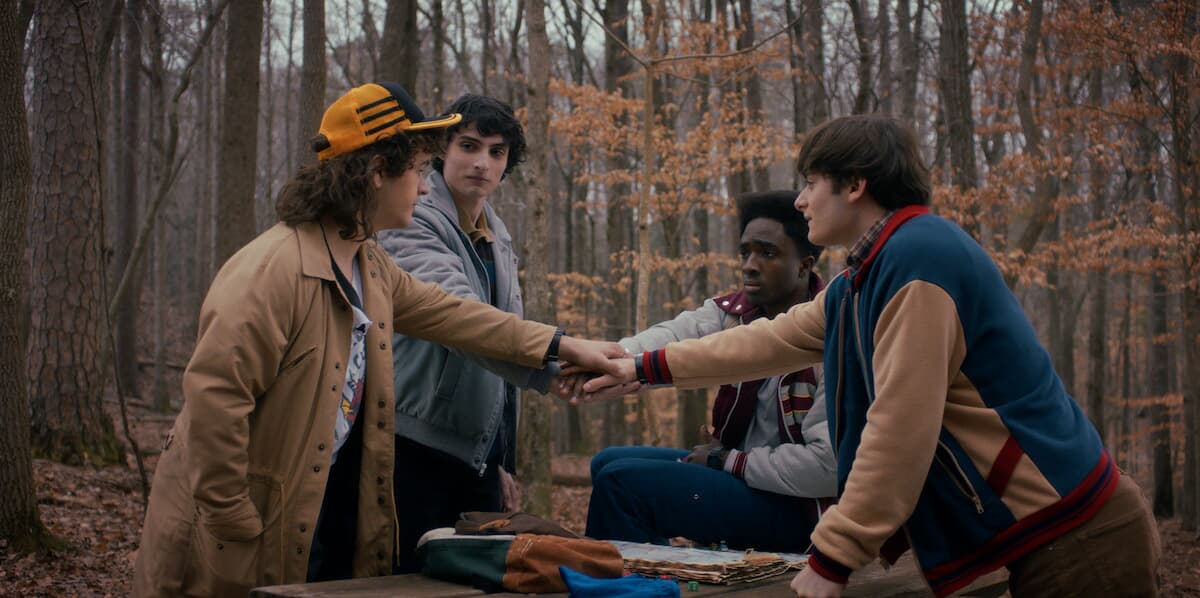
FRiENDSHIP AS A BUFFER At its heart, Stranger Things is a friendship story.
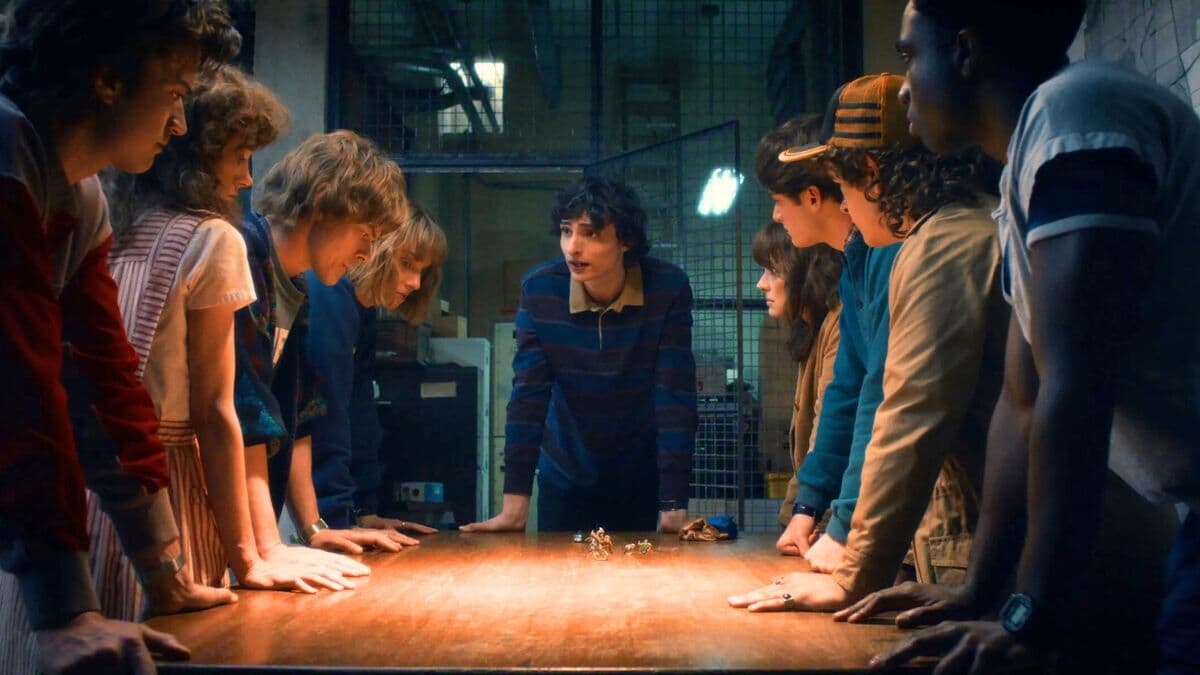
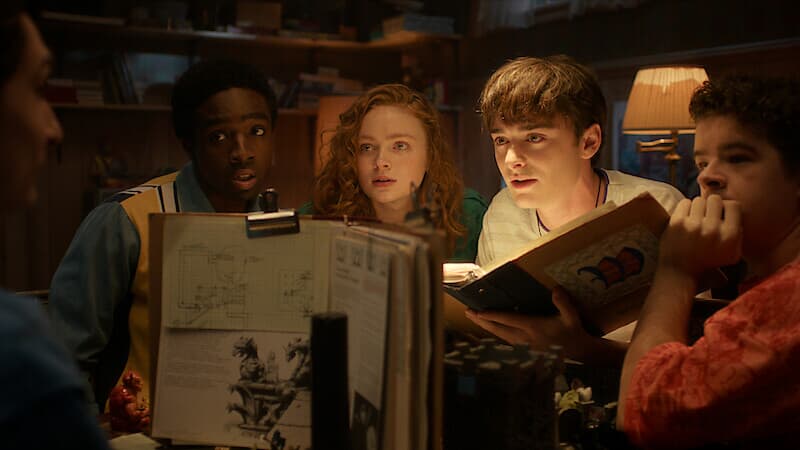
The party’s loyalty and shared rituals provide a scaffold against isolation and fear. Rituals of D&D campaigns, walkie-talkie check-ins and bike rides create a safety net.
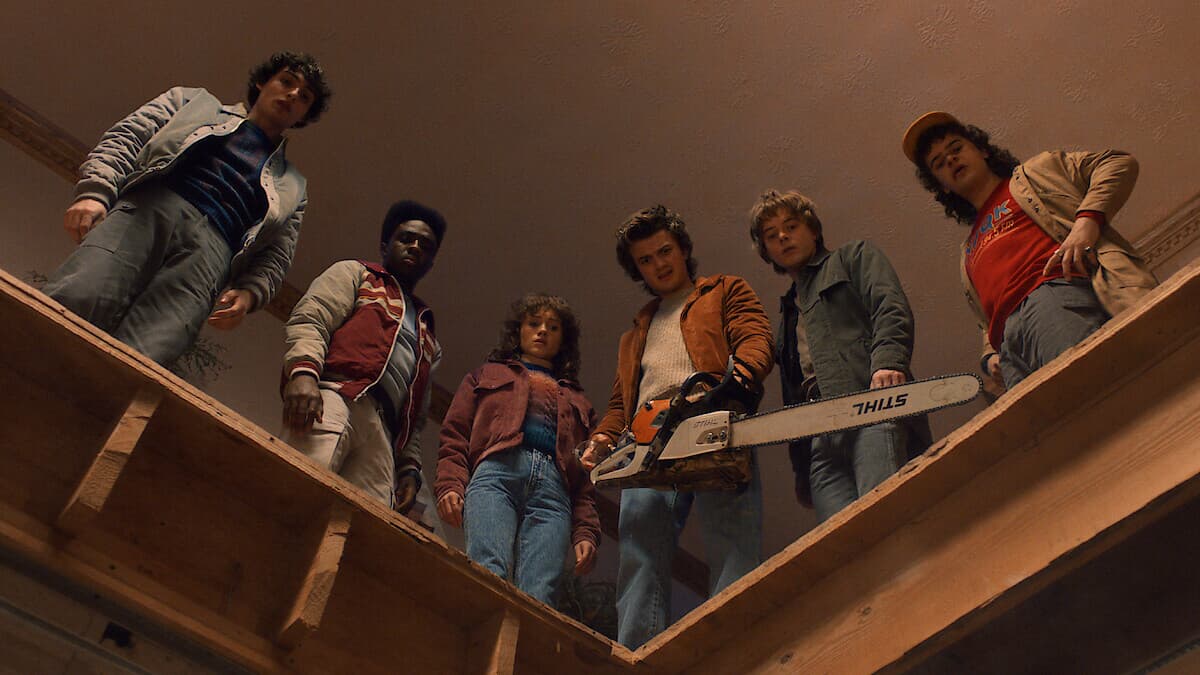
When Eleven loses her powers, her friends rally to protect her. When Max is cursed, they mobilise with music and shared problem-solving. Supportive peer relationships in early adolescence are linked with better mental and physical health. Peer support can improve coping, happiness and self-esteem and reduce loneliness and depressive symptoms among young adults. |
Like what you read? Get more of what you like. Visit the OTTplay website or download the app to stay up-to-date with news, recommendations and special offers on streaming content. Plus: always get the latest reviews. Sign up for our newsletters. Already a subscriber? Forward this email to a friend, or use the share buttons below. |
| | This weekly newsletter compiles a list of the latest (and most important) reviews from OTTplay so you can figure what to watch or ditch over the weekend ahead. |
| Each week, our editors pick one long-form, writerly piece that they think it worthy of your attention, and dice it into easily digestible bits for you to mull over. |
| In which we invite a scholar of cinema, devotee of the moving image, to write a prose poem dedicated to their poison of choice. Expect to spend an
hour on this. |
| | Hindustan Media Ventures Limited,
Hindustan Times House, 18-20,
Second Floor, Kasturba Gandhi
Marg, New Delhi - 110 001, India |
DOWNLOAD THE OTTPLAY APP ▼ |
| | If you need any guidance or support along the way, please send an email to ottplay@htmedialabs.com . We’re here to help! |
©️2025 OTTplay, HT Media Labs. All rights reserved. |
| | |