The Housemaid: How Freida McFadden’s Thrillers Weaponise The Female Gaze
|
The most impressive quality of McFadden's books is how she centres women who observe rather than perform. She makes space for a female gaze that’s punitive and unapologetically pleasurable, writes Swetha Ramakrishnan.
|
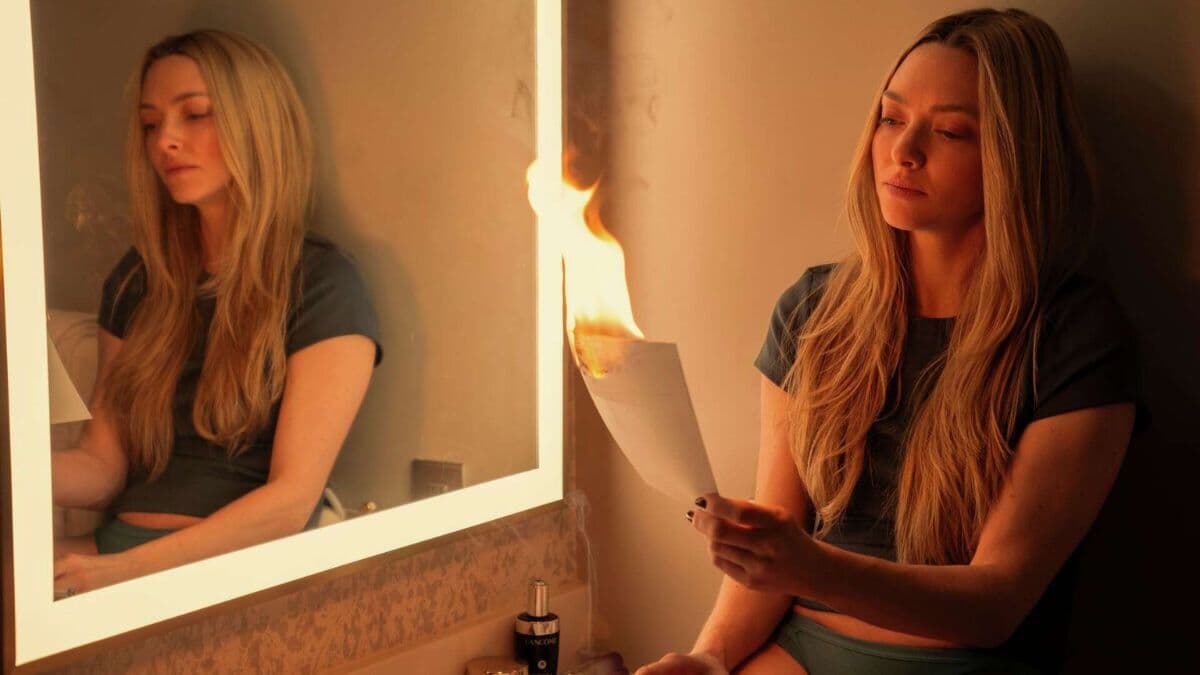
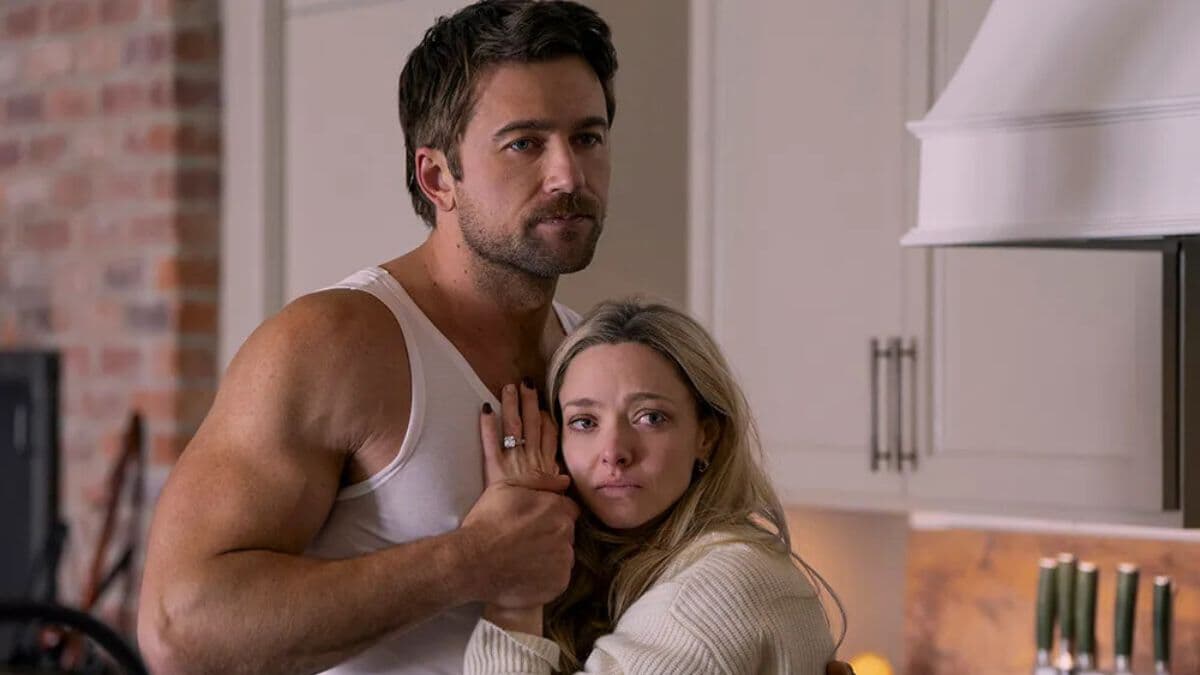
IF CHETAN BHAGAT can be credited with helping mass audiences read books — no matter what the quality of his literature — Freida McFadden can be credited with the same, for women-led stories and getting swathes of readers gripped by her thrillers. There’s very little in common with the two writers, apart from being excellent airport reads and a staccato writing style. However, with a barrage of movies and TV shows to watch on streaming platforms, and an onslaught of digital content from YouTube and Instagram to skew our attention, McFadden’s books are a breath of fresh air. Are they the most artistic or literary in nature? No. Are they just so much fun to read through in one sitting? Hell yes. The Housemaid , released in theatres late 2025, took me down a rabbit hole of McFadden’s books — all of which are bestsellers on Amazon Books. There are two more books in the Housemaid series (both of which have been picked up for film adaptations), and roughly a dozen more thrillers to her name. The film itself mirrored a lot of the books’ ethos. Easy to watch, delectable characters (a top-notch performance by Amanda Seyfried) and dramatic enough to ensure you don’t pick up your phone. Stream the latest films and shows with OTTplay's Power Play monthly pack, for only Rs 149. |
As far as her books are concerned, they’re deliciously bingeable: an attribute usually associated with twisty web series. With fast chapters, forthright prose and twists that are legitimate dopamine drops, McFadden’s books could be called “guilty pleasure”. But the Housemaid series takes a step further. It subverts several tropes we associate with thrillers, typically thought to be a man’s genre. In these thriller/action fantasies fronted by men, the female characters are sexualised, otherised or in best-case scenarios, pedestalised; violence/gruesome plot points are celebrated for being brave, sometimes even intelligent (James Bond continues to be a standard for suave, stylish men). But when we see the same tropes in female-led thrillers, they’re diminished as “guilty pleasures”. If there’s even an iota of sexuality peppered in, in comes the “lowbrow” tag. ALSO READ | 50 Years Of The Male Gaze: Laura Mulvey’s Essay That Reframed Cinema Forever But the power of McFadden’s Housemaid trilogy comes from how un-serious it pretends to be, even as it changes the rules. For one, the male characters here are under scrutiny, while the women are driving the stories, and are afforded backstories and traumatic secrets that allow them to be grey. In all three books, the male characters are otherised and sexualised by using stereotypes as tools: the too-good-to-be husband, the puke-inducing antagonists, the mute gardener who looks like he has solutions, the boss who throws around authority he doesn’t have, and boyfriends who are totally out of sync with how sinister the women around them can be. |
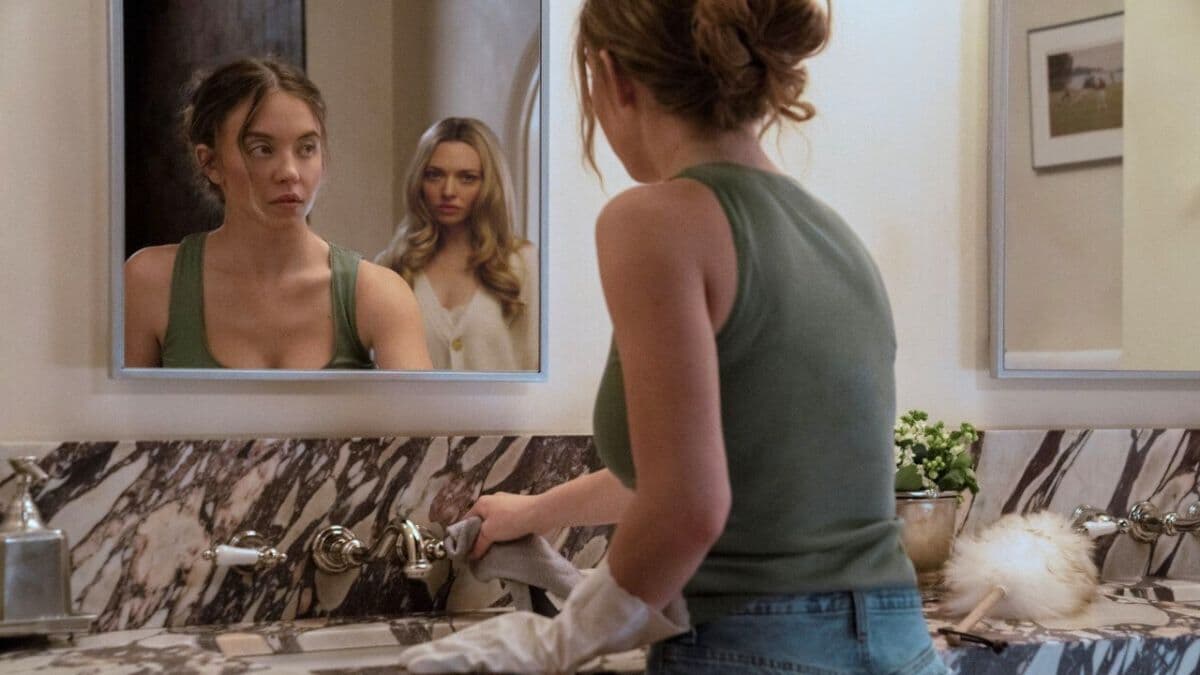
The female gaze is working overtime here. For example, let’s take a look at the protagonist of the Housemaid series: Millie. She works as a cleaner in wealthy homes, and has a criminal past she rarely brings up. Her labour in these homes is physical, intimate and exposing. She not only tidies these homes, but she also has access to every corner and every buried truth. Her unique position as a househelp, but also someone who can see all the wrongdoings up close and personal, allows her to become a vigilante, eventually. And she always helps the women she works for — no matter what their moral standing. Historically, women like her have been relegated to the background. But Millie is the main character. Millie makes the rules, she solves the problems, and by the third book, her life is the story. |
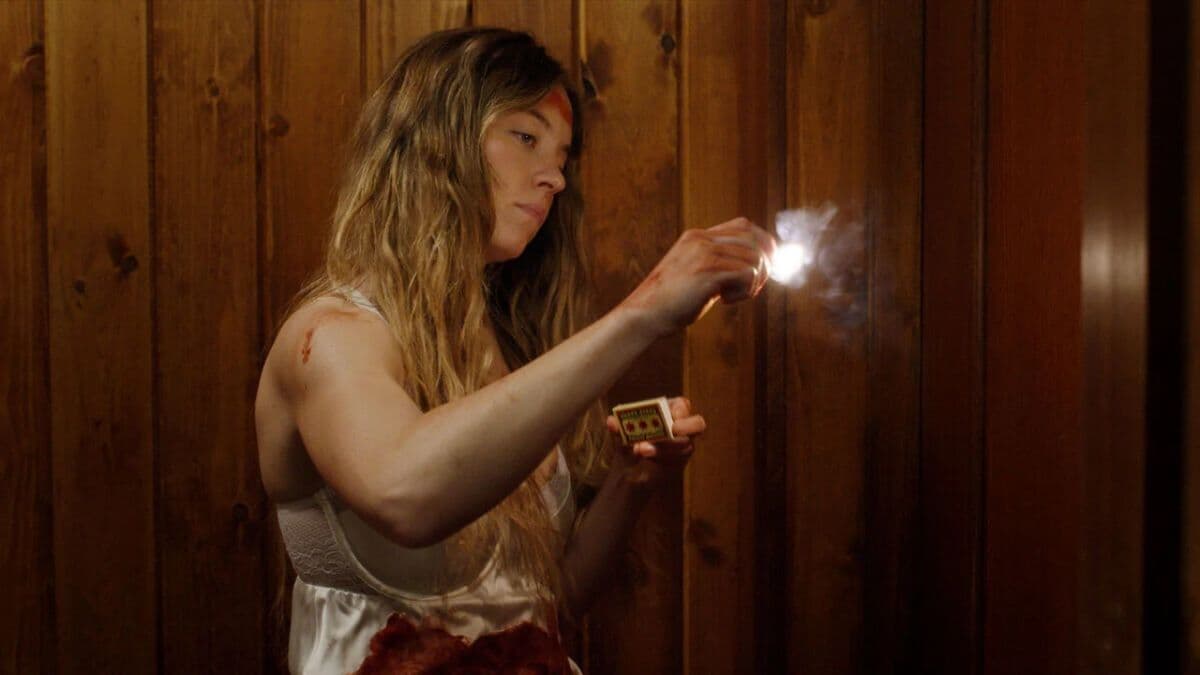
The Housemaid series uses violence uniquely. When Millie is embroiled in dangerous situations, her violence and criminal acts are given texture and context. She’s never painted as a damsel in distress, and even the most well-meaning men in her life aren’t allowed to save her. She doesn’t need their protection. She gets the job done — whether it’s cleaning the home, looking after the kids or disposing of dead bodies. Her acts of revenge/retribution are almost methodical and procedural; no excess drama. The men she’s up against are society-protected abusers, gaslighters, predatory husbands and fathers, relying on women’s silence and fear. And so, the pleasure of reading these books isn't that they’re going to get punished; we know that’s an eventuality. It’s more about how efficiently Millie uses her rage in these situations, and that there’s no apology attached to it. In one particularly standout scene in the first book/movie, The Housemaid, we see how Millie’s unassuming terror is weaponised. She’s given a room in the attic to live in, and she soon realises this room locks from the outside. This scene is played out twice: once with a vulnerable woman, who’s all too trusting of the perpetrator, and who finds herself in the middle of a psychological breakdown on being locked inside by a man she had entrusted her life with. This is a familiar thriller setup, one that mines fear, helplessness and a real, bodily threat. The second time we see this scene, Millie is locked in by the same man. Millie is scared — only temporarily — but then, she does what she knows best. Rummage the room for a way out. She’s cleaned this space a million times. She makes keen observations and comes to a calculated conclusion. And the subsequent revenge is meaty. The gaslighting man who uses his calm demeanour to trap women has a full-blown childish meltdown. The power dynamic finally reverses. The man who has control over his space finds himself undone by the same domestic systems he seemingly took for granted. The feminism in her books is cloaked with twists, and only an astute reader can spot them. READ MORE | The Quiet Power Of Female Friendships In Malayalam Cinema |
Now that you’ve read this essay, you never know, your algorithm might serve you a lot of reels and shorts on Freida McFadden. Most of those will be content creators looking down on her for her pulpy, twisty fiction, recommending “real” thrillers instead. Don’t listen to them. Don’t let a 30-second video convince you of what’s worth your time. McFadden’s books are meant for urgent consumption and will stay with you for days after. The most impressive quality of her books is how she centres women who observe rather than perform. She makes space for a female gaze that’s punitive and unapologetically pleasurable. In doing so, she’s rewriting how feminist thrillers are written and consumed. Watch psychological thrillers like Sharp Objects and Vivarium with OTTplay Premium. Get JioHotstar + Zee5 + Sony LIV + Fancode + 25 OTTs at only Rs 149 per month. |
Like what you read? Get more of what you like. Visit the OTTplay website or download the app to stay up-to-date with news, recommendations and special offers on streaming content. Plus: always get the latest reviews. Sign up for our newsletters. Already a subscriber? Forward this email to a friend, or use the share buttons below. |
| | This weekly newsletter compiles a list of the latest (and most important) reviews from OTTplay so you can figure what to watch or ditch over the weekend ahead. |
| Each week, our editors pick one long-form, writerly piece that they think it worthy of your attention, and dice it into easily digestible bits for you to mull over. |
| In which we invite a scholar of cinema, devotee of the moving image, to write a prose poem dedicated to their poison of choice. Expect to spend an
hour on this. |
| | Hindustan Media Ventures Limited,
Hindustan Times House, 18-20,
Second Floor, Kasturba Gandhi
Marg, New Delhi - 110 001, India |
DOWNLOAD THE OTTPLAY APP ▼ |
| | If you need any guidance or support along the way, please send an email to ottplay@htmedialabs.com . We’re here to help! |
©️2025 OTTplay, HT Media Labs. All rights reserved. |
| | |