With Warner Bros swallowed whole, the battle between theatres and streaming enters its most pivotal chapter yet.

Netflix Buys Warner Bros — But What Does It Mean For Moviegoing?
|
As regulators and creatives sound alarms, the world’s biggest streamer inches closer to reshaping Hollywood — and perhaps shrinking cinema itself. Liam Burke writes.
|
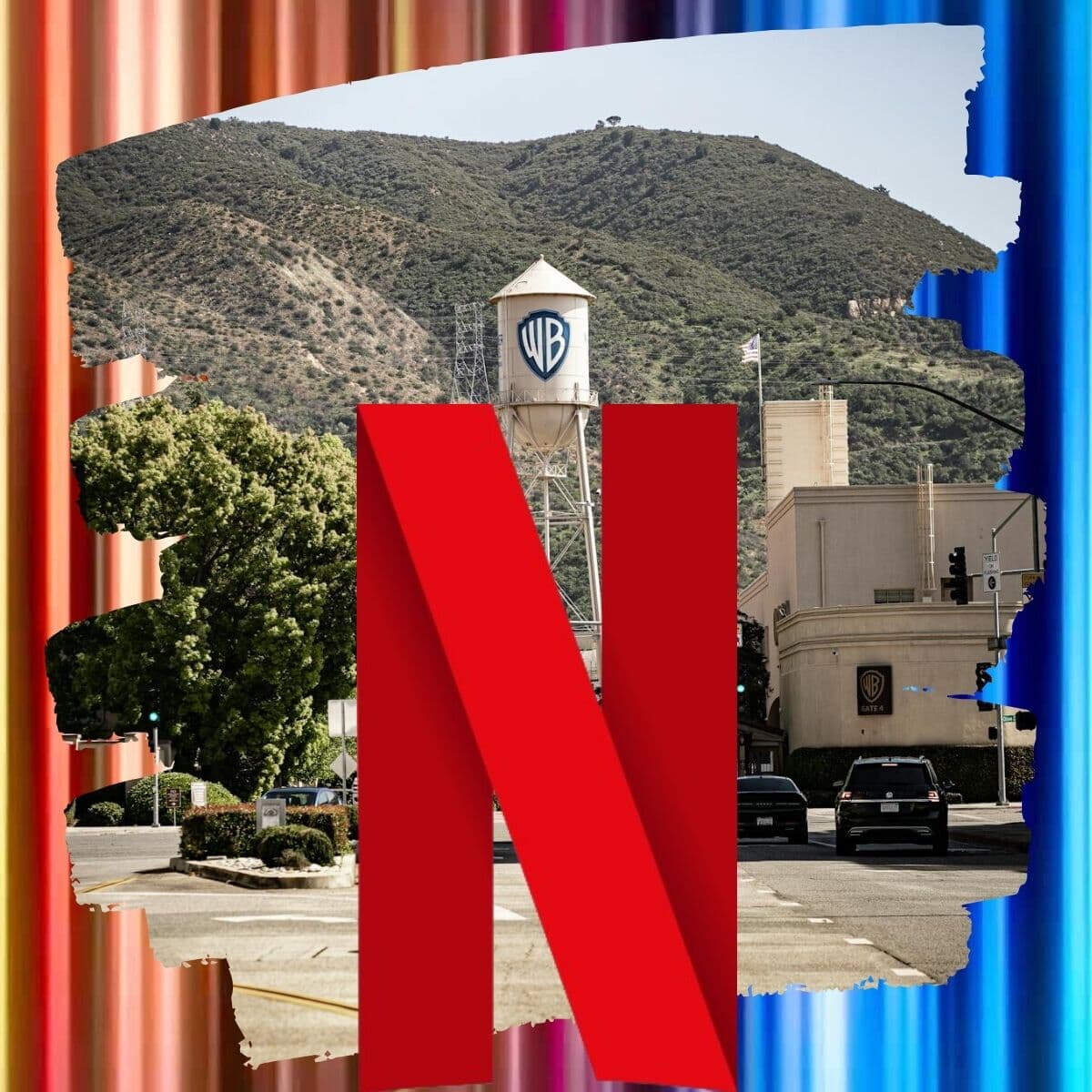
THE WORLD'S DOMINANT STREAMING SERVICE, Netflix, has announced its planned acquisition of Warner Bros with a deal valued at US$82.7 billion. The acquisition has provoked criticism from film fans, the creative community and the United States government, including concerns for the future of filmgoing. News of the acquisition was also followed by a hostile bid (a bid that goes directly to shareholders, not the board) from Paramount Skydance.
Jane Fonda described the Netflix deal as “catastrophic," saying it “threatens the entire entertainment industry."
Since emerging as the global leader in streaming, Netflix has avoided acquisitions while its competitors have bought up legacy assets, like Amazon’s purchase of MGM in 2022. Rather than buy existing intellectual property, Netflix sought to build new brands such as Stranger Things and Squid Game.
However, it is rare that a 100-year archive like Warner Bros – which ranges from Looney Tunes cartoons to Emmy-magnet The White Lotus – would come up for sale. The deal would bolster Netflix’s library and save on expensive licensing costs. There’s no need to pay for ten seasons of Friends if you own the company.
The acquisition raises questions about the consolidation of streaming services. But one of the most immediate concerns is the impact on filmgoing. Your pop culture fix awaits on OTTplay, for only Rs 149 per month. Grab this limited-time offer now! |
DO WE STILL GO TO THE CINEMA? Cinema attendance has been falling since the rise of global streaming. This decline was exacerbated by the pandemic: 2025’s global box office will be down 13% from pre-COVID times.
Netflix occasionally releases films in a handful of theatres for extremely limited runs to qualify for awards such as the Oscars, which require a cinematic release. But Netflix co-CEO Ted Sarandos has repeatedly stated Netflix’s priority is at home rather than theatres.
While blockbusters from the Warner Bros studio, like Batman and Minecraft, are likely to be still released in cinemas under the new super-company, original and mid-budget films may not get the same opportunity.
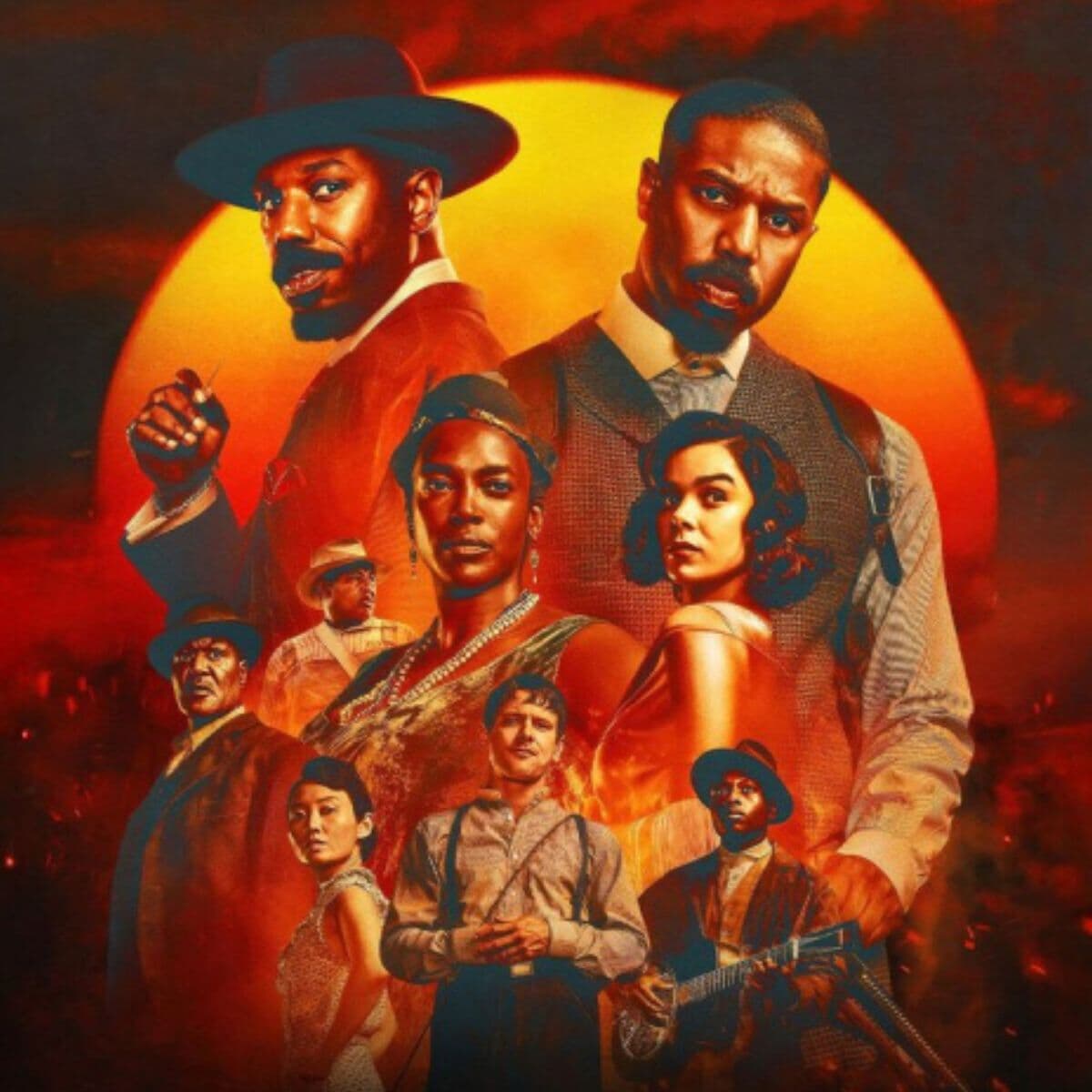
Ironically, the proposed deal is coming at a time when Warner Bros is having a very successful run of auteur-led films in theatres, such as Ryan Coogler’s Sinners and Paul Thomas Anderson’s One Battle After Another. ALSO READ | How Paul Thomas Anderson Anchors His Cinema In His Actors |
Commenting on the deal, Sarandos said Netflix would look to make the time between films being exclusively in cinemas and available at home more “consumer-friendly” – meaning the company will aim for shorter cinema runs and a quick pivot to streaming services.
Theatrical windows have been shrinking. The original Top Gun is often credited with starting the home video revolution when it sold a then-record 2.9 million VHS cassettes in 1987, but that was ten months after it had been a hit in cinemas.
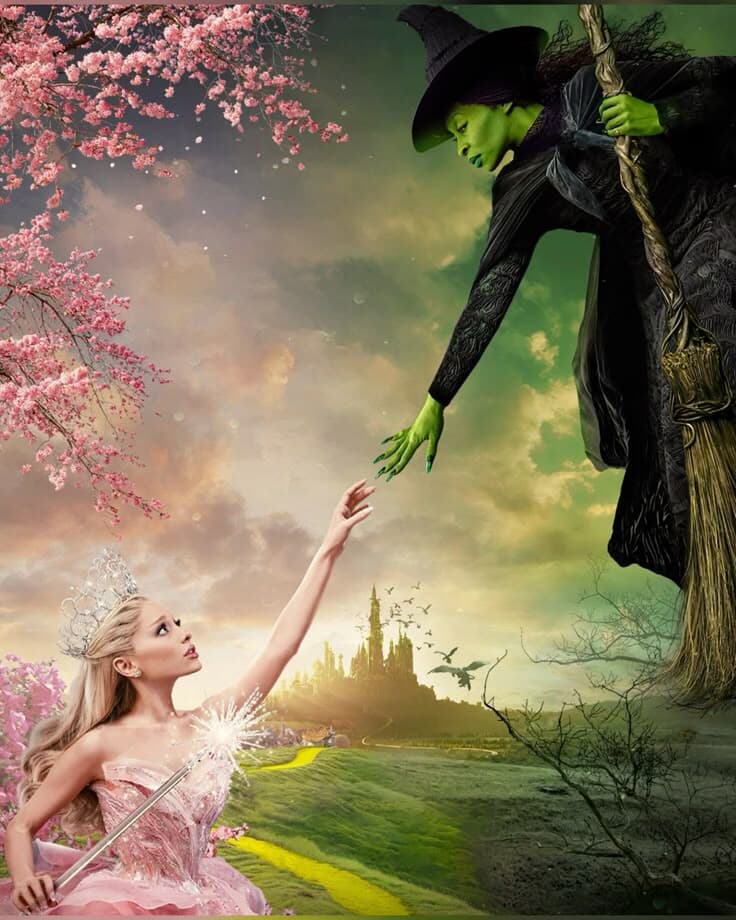
Even in 2010, when the Walt Disney Company sought to shorten the home video release window of Tim Burton’s Alice in Wonderland to 12 weeks, the British theatre chain Odeon threatened not to exhibit the film. Today, blockbusters like Wicked can fly to premium video on demand in a few weeks. Many theatrical films earn the majority of their box office in the first two weeks of release, and so longer exclusive windows are arguably a case of diminishing returns. However, this doesn’t always hold true.
Earlier this year, Warner Bros’ vampire movie Sinners opened modestly in cinemas. But the film sustained its audience over several weeks on its way to becoming the highest-grossing original film at the US box office in years, taking in over US$260 million.
Cinephiles argue original films like Sinners need time to find a cinema audience, and the film’s many musical and horror setpieces are amplified by the communal experience of the theatre. WATCH | Blockbusters like Wicked, Sinners, and A Minecraft Movie on JioHotstar, now available with your OTTplay Premium subscription. |
CHALLENGES AHEAD Skydance is also looking to add the studio to its growing portfolio, after its recent purchase of Paramount. Skydance owner David Ellison has demonstrated his commitment to cinemas by promising Paramount will release 30 films in theatres a year with “healthy traditional windows”.
The deal will also come under regulatory scrutiny due to antitrust concerns. It unites top streamers Netflix and HBO, as well as the film studio, removing a significant buyer from the market. Such an anti-competitive rationale was used under the Biden administration to successfully block the proposed merger of book publishers Penguin Random House and Simon & Schuster.
One note of optimism is that Netflix has recently demonstrated a willingness to deviate from its founding principles. When the streaming service first launched, it positioned itself in opposition to broadcast and cable television by dropping all episodes of a season at once, not streaming live content or sports, and shunning advertising. Netflix has rolled back these three tenets in recent years in response to the shifting marketplace.
Perhaps the service’s stubborn refusal to embrace filmgoing is another long-held principle it will abandon if audiences are eager.
New research shows young people are craving in-person entertainment, still a novelty for digital natives. This appetite for experiences has fuelled the recent success in cinemas of A Minecraft Movie, Taylor Swift concert films , and KPop Demon Hunters sing-along – months after it was originally released on Netflix.
If cinema’s reassert themselves as a lively communal space, perhaps this is one experience the newly diversified Netflix will buy a ticket for. Liam Burke is an Associate Professor and Cinema and Screen Studies Discipline Leader at Swinburne University of Technology. This essay originally appeared on The Conversation and has been republished here under the Creative Commons License. |
Like what you read? Get more of what you like. Visit the OTTplay website or download the app to stay up-to-date with news, recommendations and special offers on streaming content. Plus: always get the latest reviews. Sign up for our newsletters. Already a subscriber? Forward this email to a friend, or use the share buttons below. |
| | This weekly newsletter compiles a list of the latest (and most important) reviews from OTTplay so you can figure what to watch or ditch over the weekend ahead. |
| Each week, our editors pick one long-form, writerly piece that they think it worthy of your attention, and dice it into easily digestible bits for you to mull over. |
| In which we invite a scholar of cinema, devotee of the moving image, to write a prose poem dedicated to their poison of choice. Expect to spend an
hour on this. |
| | Hindustan Media Ventures Limited,
Hindustan Times House, 18-20,
Second Floor, Kasturba Gandhi
Marg, New Delhi - 110 001, India |
DOWNLOAD THE OTTPLAY APP ▼ |
| | If you need any guidance or support along the way, please send an email to ottplay@htmedialabs.com . We’re here to help! |
©️2025 OTTplay, HT Media Labs. All rights reserved. |
| | |