I started #5SmartReads 7 years ago as a way to amplify underreported news and underrepresented perspectives. Your support makes this series possible (has helped me publish more issues a week) . Thank you for your subscriptions (all of them) and for sharing my work with your circles. Please keep sharing them—these stories and perspectives have never been more important. I’m lifting the paywall from today’s issue. If you found this helpful and hopeful, or it made you feel a little more knowledgable and calm, please consider upgrading your subscription.
What happens when a city takes women’s unpaid work seriously? (Vox)
When we talk about building a care infrastructure in the United States, it’s largely focused on increasing block grants to support current care programs. But what does it look like beyond investing in current programs? What would a comprehensive care infrastructure look like? Bogotá’s care blocks are a powerful model. These care centers provide childcare, laundry services, exercise classes, job training, and a quiet place to do what they’d like. These centers aren’t just delivering care. They’re a robust solution to address “time poverty.” They are working, and there’s room for improvement before they can be scaled. But one of the most telling impacts of the program is how it changes individuals’ behavior to be more caring (as it did for Jason Diaz, who manages the laundry service at the San Cristóbal care block):
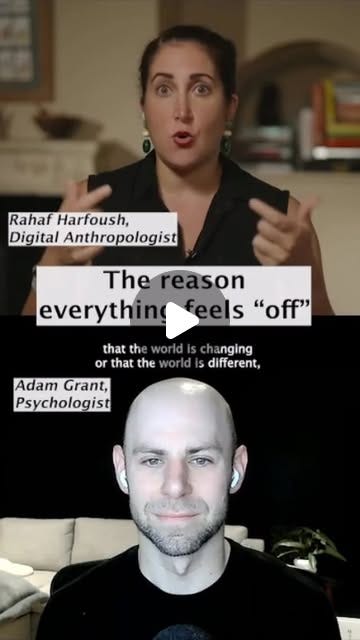 If you feel anxious and overwhelmed and increasingly stressed by the state of things, it’s not you. It’s hypernormalization. Rahaf Harfoush has been ringing the warning bells of hypernormalization for years now. This video explains just what it is, and defining it can help you pause and reflect on something you read/watch/hear before you react to it. The more you do this, the more you’ll also recognize when it’s time to log off and engage with the real world around you.  Last spring, I hit creator rock bottom. I was completely drained from a demanding 6 month partnership, the stress of managing a daily cadence for #5SmartReads (both writing myself and managing the team), and being very online in general. Like kate lindsay, I left Twitter and promptly didn’t look back. And I came to the same reframe she did, when it came to some zeitgeisty things:
Think about the last thing you saw online that provoked a big reaction. Do you feel that way, or did the discourse spark that reaction? I’m still working on my online consumption:creation ratio, and I think I was overly ambitious in trying to get it a 1:1 ratio. This article spurred me to consider what’s making up the consumption. Am I numbly scrolling and reacting, or am I filling that time with work I genuinely enjoy? Time to use my Forest app more, and to read more (an audiobook from Libro.fm, or my current eBook read via the Kindle app). Spinning the Christmas Wheel: How Hallmark Profits From Predictable Holiday Magic (Ivey) Hallmark movies are a cherished part of our holiday traditions. Their predictability is soothing, and my data quantitatively shows I sleep better when I watch them before bed. For as simple as they seem, they’re increasingly profitable, which is a rare exception in today’s media world. They’ve kept their production economics steady over the years (production costs of $1-2M and a filming time of 2-3 weeks have remained steady over the years), and the network wisely prioritizes revenue during the holiday season with increased ad rates during the holiday season (and generate over 1/3 of their ad revenue for the year). And they’ve done so while offering more representation in their films (prioritizing more LGBTQIA+ stories and and age and racially diverse films that are culturally appreciative). They’ve grown revenue (and a healthy profit margin) with their streaming service, which I can attest is solid and I watch more and more. The company’s retail arm has begun doing more film-inspired merchandise, to boost revenue for the company as a whole. In a time when most legacy companies (both media and retail) have struggled to pivot, Hallmark’s growth in doing what they do best is really impressive. That they’ve earned the revivals for Rainbow Brite and to produce a Disney-sponsored holiday film is a testament to the trust they’ve earned and the ROI they can deliver.
Though you may not realize it, you know someone who’s living with a chronic health condition. And our healthcare system (which is designed to diagnose and treat, not to prevent and support) cannot deliver the care these patients need, in its current form. While it’s a depressing thought, it also presents a huge opportunity to build the system that these patients deserve. And it’s where leaders like Dr. Jaewon Ryu (who has deep experience in working with the labyrinth of insurers, providers, patients, and policymakers to deliver care) are building to deliver the needs of today’s patients, and the infrastructure for what healthcare delivery needs to be for a strong future. I won’t lie—it’s been a really challenging time at work as we process what’s happening at HHS (and in our company’s case, the tumult at FDA). Publications like Massively Better Healthcare (and this podcast) offer the glimmers of hope and paths where I can work to build the system we deserve.
|