When Violence Becomes Spectacle: The Beast In Me’s Troubling Misstep
|
Graphic brutality and male-gaze aesthetics undermine a series that should know better about the trauma it depicts, writes Laura Walls.
|
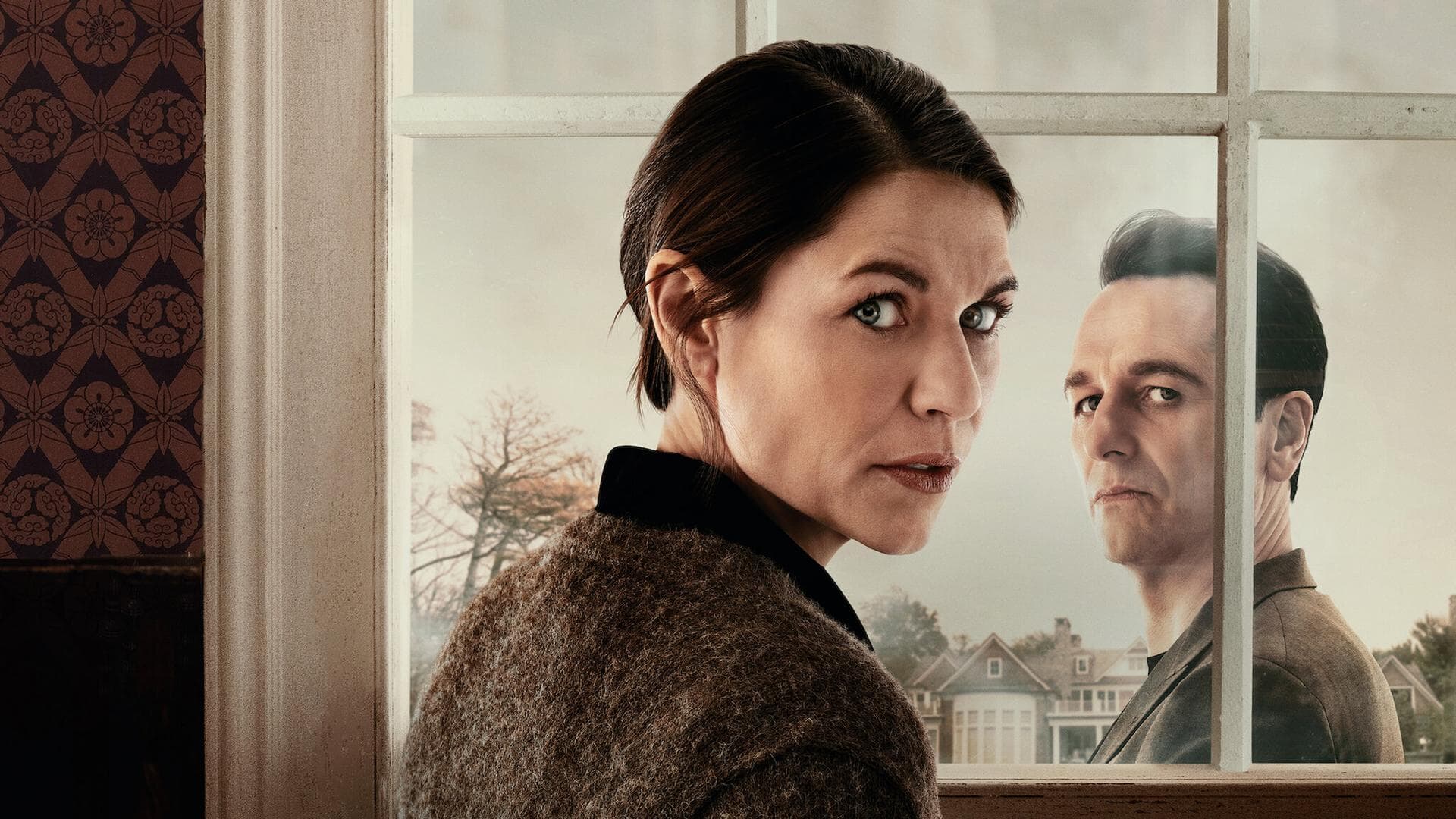
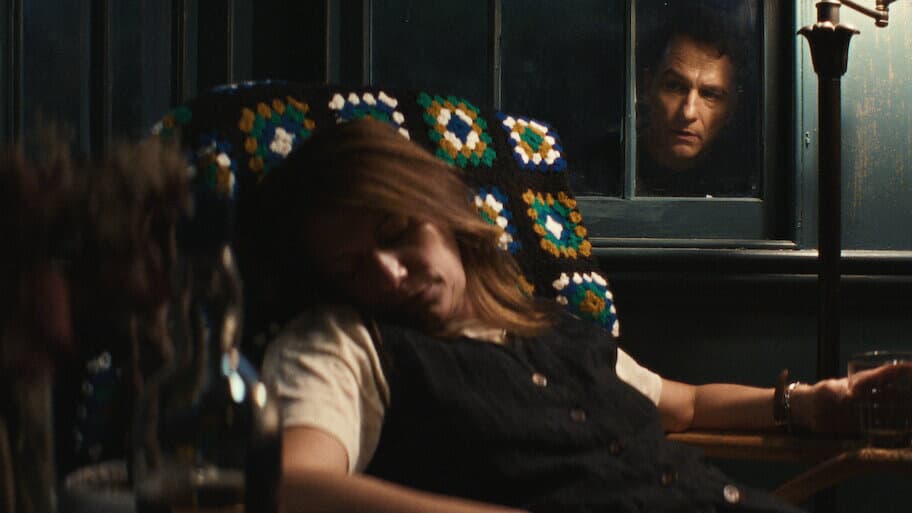
IN THE BEAST IN ME, Aggie Wiggs (Claire Danes) is a reclusive writer who gets drawn into the world of her new neighbour, Nile Jarvis (Matthew Rhys), a narcissistic and possibly psychopathic businessman. When Aggie begins digging into the suspicious disappearance of Nile’s first wife, Madison (Leila George), their tentative alliance quickly descends into a dangerous game of cat and mouse.
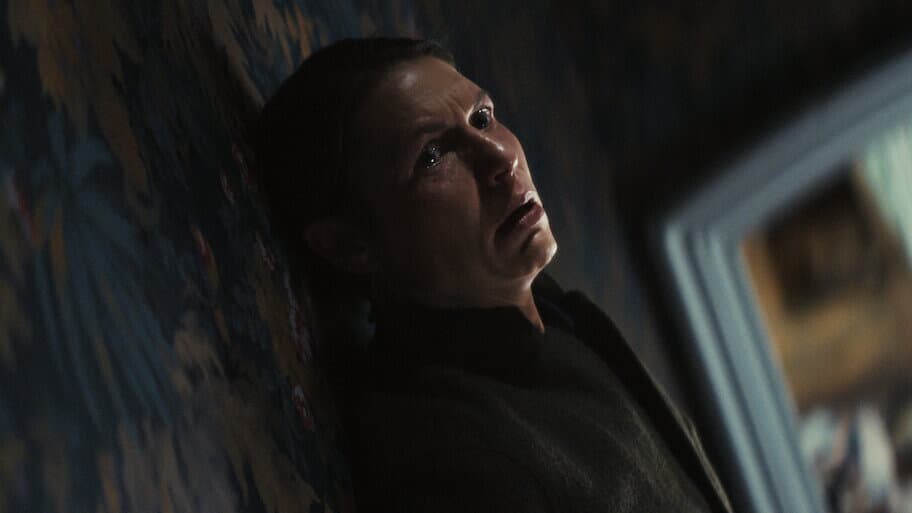
Netflix has given the series a TV-MA rating, which they define as not suitable for viewers aged 14 and under. Given this rating, I was surprised and troubled by a scene in episode seven, directed by Antonio Campos, in which Nile repeatedly and violently bludgeons Madison to death.
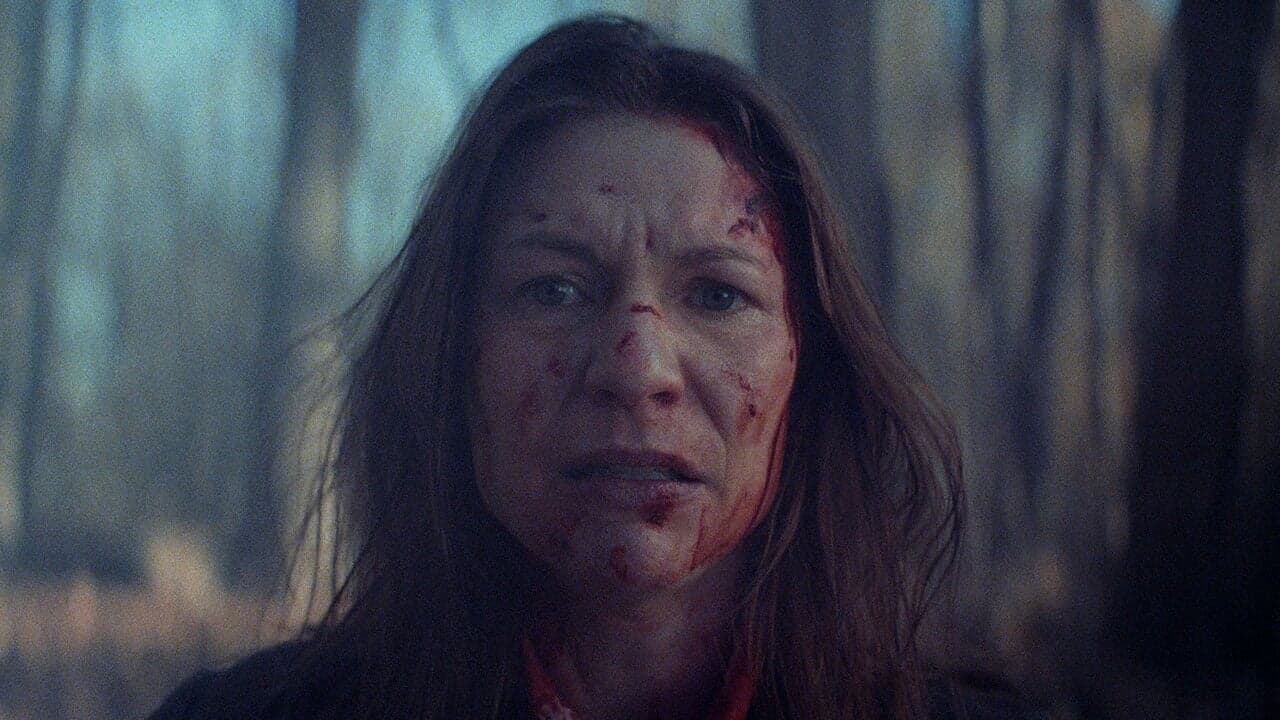
The sickening thuds are intercut with flashes of artworks hanging on the gallery walls around them, adding to the scene’s theatricality. Afterwards, Jarvis curls up sobbing beside Madison while the camera lingers on her caved-in, barely-recognisable-as-human face.
For a series that deals with such a delicate and complex topic as intimate partner homicide, the scene feels not only gratuitous but tone-deaf: an indicator that showrunner Gabe Rotter does not understand his subject matter or how his female audience might relate to it. Your pop culture fix awaits on OTTplay, for only Rs 149 per month. Grab this limited-time offer now! |
Talking about violence against women Violence against women is a worldwide epidemic. One in three women experiences intimate partner violence at some point during their lifetime. Young men are being radicalised online by misogynist influencers. Porn has become more extreme, with once niche acts like choking seeping into the mainstream.
But rather than offer up any real critique, The Beast in Me depicts its key scene of gender-based violence as a titillating, blood-spattered spectacle.
Adolescence (2025) offers an alternative way to approach this heavy subject matter. Instead of mining the murder of a schoolgirl for cheap thrills, the showrunners focus on the unnervingly normal perpetrator’s mindset and the devastating impact his actions have on his family and community. The murder itself is shown only briefly and from a distance, through CCTV footage. The mundane framing of the attack is what makes it hit so hard.
Through its sensitive portrayal, Adolescence has forced important conversations out into the open about the causes and consequences of gender-based violence and the prevalence and appeal of extreme online content. It’s inspired parents, teachers and community members to educate themselves on how to intervene. ALSO READ | The Women Of Netflix’s Adolescence Aren't The Story's Focus — And That's Okay |
Violence – without the shock It isn’t clear what purpose the graphic violence in The Beast in Me serves, beyond shock value. It reveals nothing new about Nile (well-established as a psychopathic killer by this point) or the nature of femicide, nor does it add to the plot.
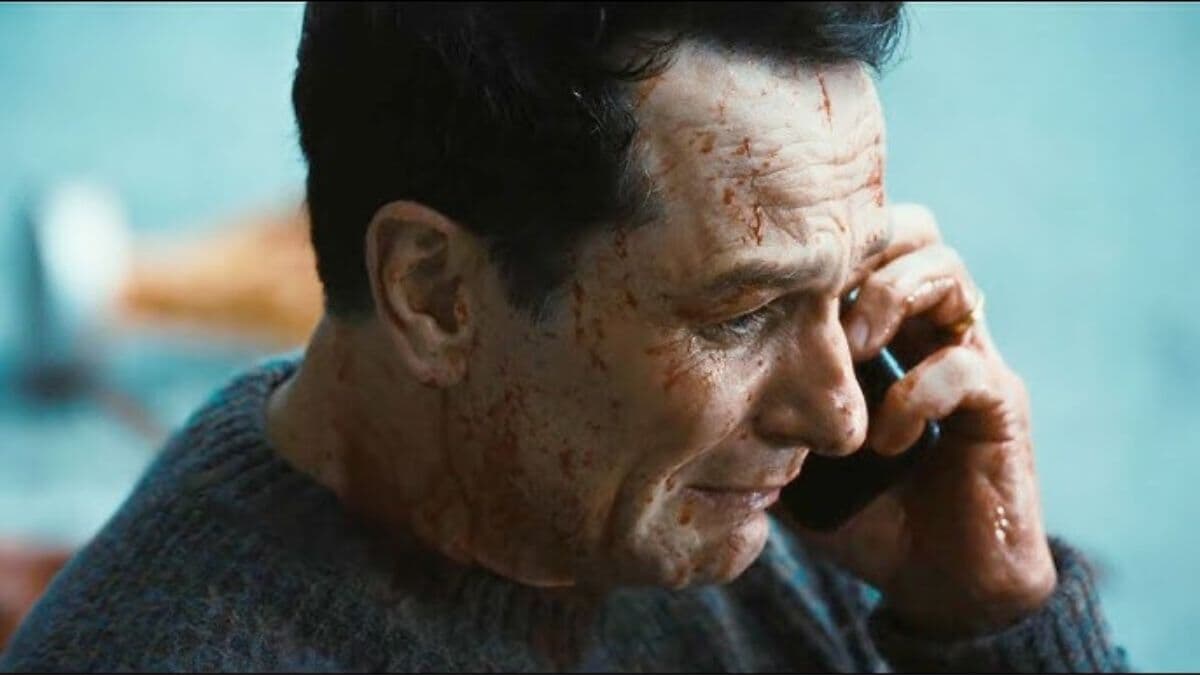
The Beast in Me does have moments where murder is depicted with more restraint. In episode four, directed by Tyne Rafaeli and foreshadowing the later episode, Nile frantically bludgeons FBI agent Brian Abbott (David Lyons) to death.
We don’t see the victim’s face mashed to a pulp. There’s no tragic tableau of death or romanticised artistic cutaways. The camera remains on the perpetrator’s face for the whole attack. The purpose of the scene isn’t to glamorise murder or shock us with gore. It shows us who this character really is when his mask slips. It’s terrifying, incredibly effective storytelling that’s impossible to look away from.
Conversely, the femicide in episode seven was, for me at least, impossible to watch. |
Deconstructing the male gaze The marked difference with which these two attacks are treated on screen points to the difference between a male gaze and a female one.
First coined by Laura Mulvey in the 1970s, the concept of the male gaze refers to cinematic output in which the woman is “spectacle”, and the man is “the bearer of the look”. It reduces female characters to objects to be fetishised. ALSO READ | 50 Years Of The Male Gaze: Laura Mulvey’s Essay That Reframed Cinema Forever Beautiful, willowy, mentally unstable Madison is the quintessential female victim – so when Campos allows his camera to linger tantalisingly on her bloody corpse, we’re all forced to view her through that same masculine lens.
But as Rafaeli demonstrates in her episode, we don’t need to see the victim’s blood-soaked body in all its dehumanising, artistically-arranged glory for the scene’s impact to be felt. In fact, we don’t need to see the body at all. |
From Game of Thrones (2011–19) to newer shows like Fallout (2024–) and The Boys (2019–), streamers seem determined to outshock each other, concocting ever more disturbing ways for characters to harm each other.
When the storylines revolve around medieval-style power struggles, exaggerated comic-book worlds or apocalyptic hellscapes, the B-movie horror aesthetic still makes sense: it’s what viewers have signed up for and expect.
But does it have a place in a premium drama episode about femicide?
The Beast in Me is a great watch. The lead performances are superb. The tension is expertly built. But the tonal blunder in the penultimate episode exposes Rotter’s fundamental misunderstanding of his subject matter. The creative team have sacrificed sensitive, sophisticated storytelling in return for a schlocky, cheap thrill.
Ultimately, filmmakers have a duty of care to their audience as well as the community of people whose experiences they’re representing on screen, in this case, survivors of family violence. The Beast in Me shows there’s still much work to be done. The Beast in Me is currently streaming on Netflix. Watch gripping mystery series like Task, Mare of Easttown, Only Murders in the Building and more on OTTplay Premium. |
Like what you read? Get more of what you like. Visit the OTTplay website or download the app to stay up-to-date with news, recommendations and special offers on streaming content. Plus: always get the latest reviews. Sign up for our newsletters. Already a subscriber? Forward this email to a friend, or use the share buttons below. |
| | This weekly newsletter compiles a list of the latest (and most important) reviews from OTTplay so you can figure what to watch or ditch over the weekend ahead. |
| Each week, our editors pick one long-form, writerly piece that they think it worthy of your attention, and dice it into easily digestible bits for you to mull over. |
| In which we invite a scholar of cinema, devotee of the moving image, to write a prose poem dedicated to their poison of choice. Expect to spend an
hour on this. |
| | Hindustan Media Ventures Limited,
Hindustan Times House, 18-20,
Second Floor, Kasturba Gandhi
Marg, New Delhi - 110 001, India |
DOWNLOAD THE OTTPLAY APP ▼ |
| | If you need any guidance or support along the way, please send an email to ottplay@htmedialabs.com . We’re here to help! |
©️2025 OTTplay, HT Media Labs. All rights reserved. |
| | |