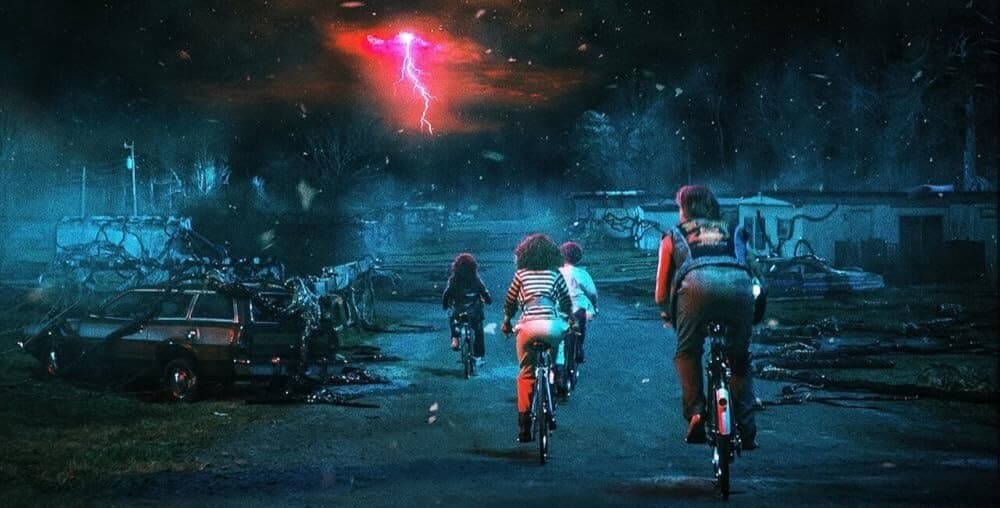
Stranger Things & The Psychology Of Fear: Why The Upside Down Still Holds Us
|
Blending negativity bias, nostalgia and hauntology, Stranger Things taps our deepest psychological instincts, turning fear into fascination as it mirrors cultural anxieties, institutional distrust and the childhood shadows we never outgrew. Edward White writes.
|
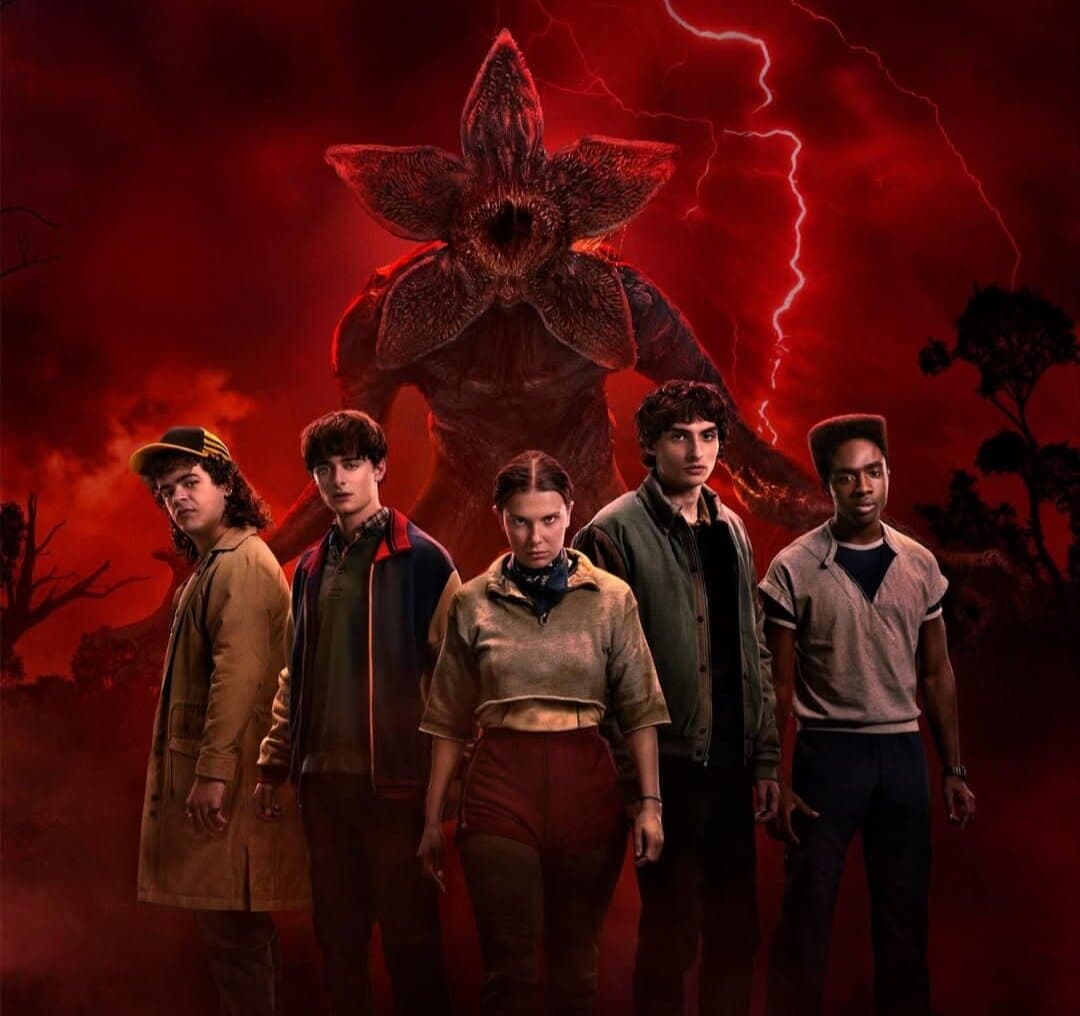
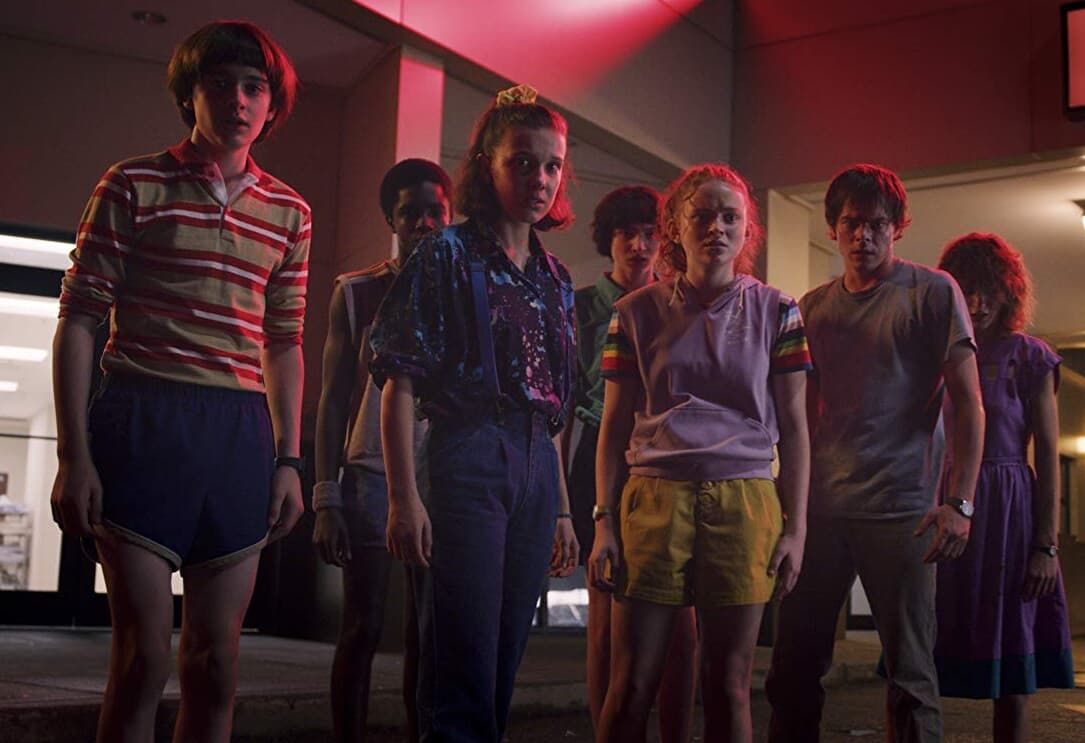
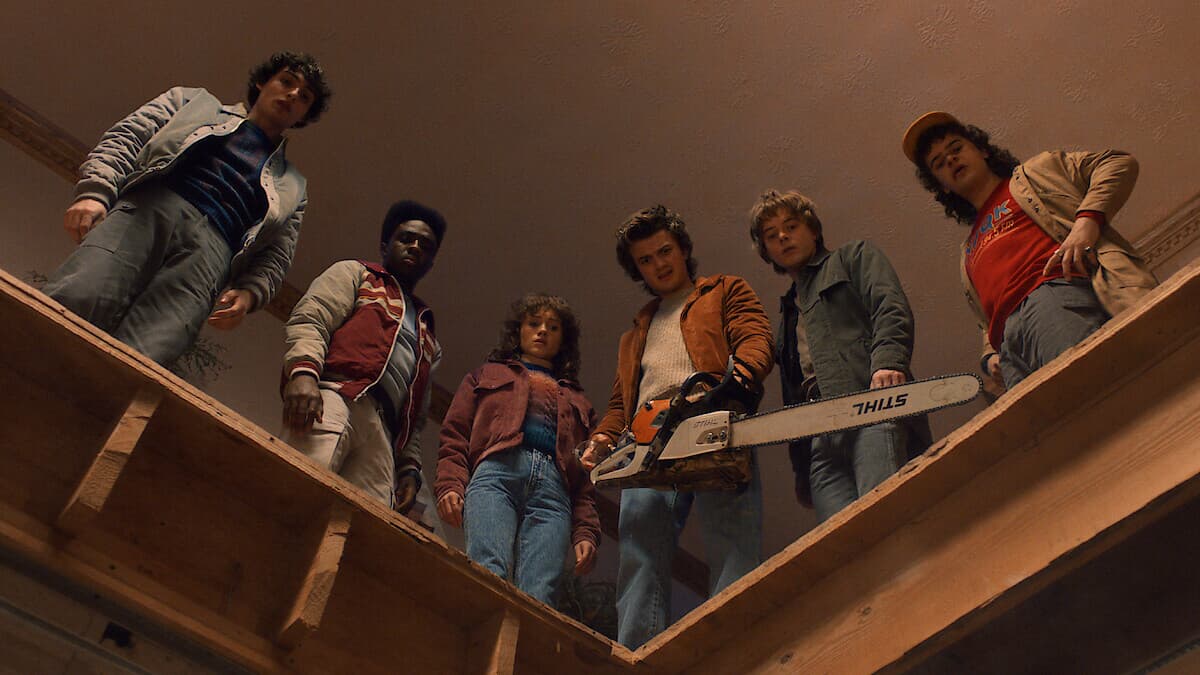
WITH THE FINAL SEASON of Stranger Things, millions of fans take one last plunge into the Upside Down to watch an epic showdown against Vecna as he threatens the town of Hawkins – and the entire world. But what sparks our collective fascination with this dark, horror-filled universe?
The answer lies in psychological and philosophical principles that shed light on why we’re drawn not only to entertainment but also to information. Understanding why millions willingly immerse themselves in the terrifying world of the Upside Down reveals deep truths about human nature and our relationship with fear.
From ghost stories to true crime documentaries, our obsession with the macabre stems from a bias towards negativity: the tendency to react more strongly to negative information than to positive or neutral content. Your pop culture fix awaits on OTTplay, for only Rs 149 per month. Grab this limited-time offer now! This negativity bias evolved as an alert system – our fight-or-flight response to threats. Today, since we no longer face sabre-toothed tigers, this alertness has transformed into a thrill-seeking drive to pursue frightening content for its intense arousal.
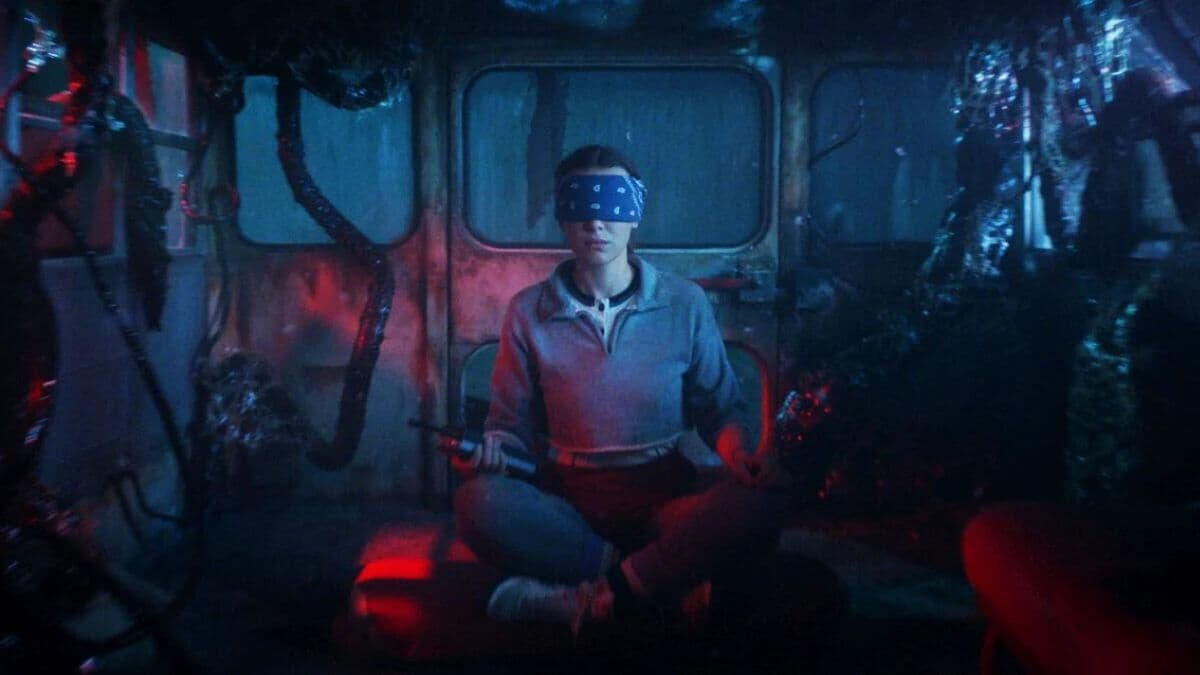
This explains why viewers are simultaneously scared and captivated by scenes like the traumatic flashbacks of Eleven (Millie Bobby Brown) or the Demogorgon’s savage attacks. Our brains are wired to respond to danger, even in make-believe scenarios. |
Research into horror psychology shows that sensation-seekers actively chase negative stimuli to boost their sense of excitement. Cross-cultural studies on curiosity about morbid topics, meanwhile, reveal that this attraction appears across diverse human cultures and is rooted in stable psychological mechanisms rather than culture-specific ones.
Stranger Things masterfully taps into all four dimensions of our morbid curiosity: exploring villains (like Vecna and Dr Brenner), witnessing violence (from the Upside Down creatures), experiencing body horror (through the Mind Flayer’s infections) and confronting paranormal threats (those haunting Hawkins). This comprehensive engagement explains the show’s massive global appeal.
Neuroimaging research employing brain-scanning tools like functional Magnetic Resonance Imaging (fMRI), which tracks blood flow and neural activity in real time, indicates that watching disturbing content activates the brain’s reward system.
This neurological response explains why Stranger Things feels simultaneously terrifying and deeply satisfying – our reward systems are reinforcing the psychological benefits of confronting fear through fictional proxies, allowing us to practice emotional resilience and threat assessment without real-world consequences. ALSO READ | Upside Down & Beyond: A Complete Retrospective Of Stranger Things (So Far) |
THE HAUNTOLOGICAL FRAMEWORK One popular aspect of Stranger Things is its setting: 1980s America. This choice adds a deeper psychological resonance to what French philosopher Jacques Derriera coined “hauntology”.
Hauntology suggests that we are all “haunted” by two ghosts. The first is a return to the social past, the idea that things were better before. The second ghost represents a yearning for a future that promises redemption and a belief that meaningful change remains possible. These two ghosts create a condition that sits between presence and absence, where lingering traces of unresolved pasts continue to haunt and shape the present.
The 1980s setting of Stranger Things serves as a deliberate return to a romanticised era, where unresolved social, economic and cultural issues from the past “haunt” the present.
The town of Hawkins, where the show is set, is presented as an idealised town of traditional values and economic stability. But underneath this facade, the series systematically dismantles the myth of 1980s American innocence by revealing the psychological trauma embedded within the perfect suburban life. For instance, the Upside Down (a dark and decaying alternate dimension that mirrors our own) functions as a psychological manifestation of what psychologist Carl Jung termed the “shadow” – those repressed aspects of individual and collective consciousness that society refuses to acknowledge. |
Hawkins Laboratory, operating in secret beneath the town’s surface, represents the dark underbelly of American scientific progress during the Cold War era, where children become subjects in the pursuit of science. Eleven’s systematic abuse at the hands of Dr Brenner (Matthew Modine) exposes how institutional authority can perpetrate intergenerational trauma while maintaining facades of benevolent care.
Ultimately, Stranger Things is so addictive because it taps into multiple psychological layers at once. The show’s clever use of our natural negativity bias and curiosity about the morbid keeps viewers hooked emotionally from the start, while its hauntological framework adds deeper resonance by encouraging us to face the hidden traumas beneath our favourite cultural stories.
This blend – where our brain’s reward signals meet genuine reflection – helps explain why so many of us keep returning to Hawkins’ mysterious world. It becomes almost a shared form of therapy, letting us work through fears about betrayal by institutions, childhood wounds, and social breakdowns through supernatural stories that feel safe.
In this way, Stranger Things shows that our love for fictional horror has a real purpose: it allows us to rehearse resilience while also critiquing the very systems that create our everyday anxieties. The series’ enduring popularity suggests that viewers instinctively grasp this dual function, seeking not just entertainment but also meaning in a world where the boundary between monsters and societal horrors has become surprisingly blurry. Edward White is a PhD Candidate in Psychology at Kingston University. This essay originally appeared on The Conversation and has been republished here under the Creative Commons License. Catch Nancy Drew, Goosebumps: The Vanishing, and The Society, plus 25+ other OTTs including JioHotstar, ZEE5, and Sony LIV, all with a single OTTplay Premium subscription.
|
Like what you read? Get more of what you like. Visit the OTTplay website or download the app to stay up-to-date with news, recommendations and special offers on streaming content. Plus: always get the latest reviews. Sign up for our newsletters. Already a subscriber? Forward this email to a friend, or use the share buttons below. |
| | This weekly newsletter compiles a list of the latest (and most important) reviews from OTTplay so you can figure what to watch or ditch over the weekend ahead. |
| Each week, our editors pick one long-form, writerly piece that they think it worthy of your attention, and dice it into easily digestible bits for you to mull over. |
| In which we invite a scholar of cinema, devotee of the moving image, to write a prose poem dedicated to their poison of choice. Expect to spend an
hour on this. |
| | Hindustan Media Ventures Limited,
Hindustan Times House, 18-20,
Second Floor, Kasturba Gandhi
Marg, New Delhi - 110 001, India |
DOWNLOAD THE OTTPLAY APP ▼ |
| | If you need any guidance or support along the way, please send an email to ottplay@htmedialabs.com . We’re here to help! |
©️2025 OTTplay, HT Media Labs. All rights reserved. |
| | |