This week, we've got a bit of a wild card edition. First, let's talk about the Eater Awards, which gave me a chance to shout out a New York City bakery I love. Then, it's a discussion of stars in restaurant reviews — which are so back, apparently. |
|
|
It's time for the Eater Awards |
A few weeks ago, we published Eater's big, annual Best New Restaurants list, a meticulously researched and curated collection of 15 restaurants across the country that we think best encapsulates this year in dining. This year, it included Alpine food in Atlanta, pollo a la brasa in Phoenix, West African cuisine in Houston, and so much more.
We know as well as you do that a collection of just 15 restaurants can only scratch the surface of what the country has to offer, which is why we also do our more locally focused Eater Awards — our opportunity to highlight not just a stellar new restaurant in every Eater city, but also bakeries, bars, and wild card categories like the Best Underdog in NYC, the Biggest Dining Surprise in Chicago, and the Best Comeback in Seattle.
|
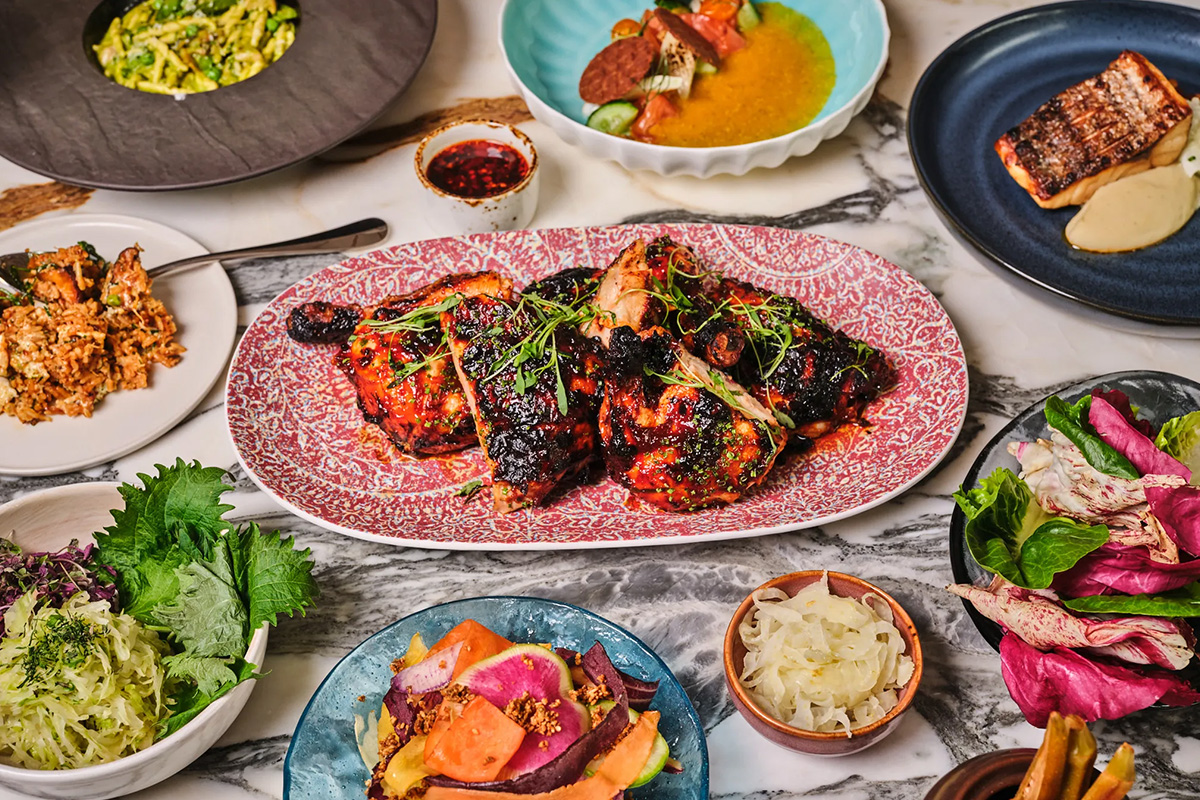
Photo credit: Tom McGovern/Marcus DC
|
Today, we're dropping all of those awards, recognizing our longlist of favorites from around the country. Maybe you'll find some of your favorites — or discover your next favorite — here, too. |
|
|
How do you feel about starred restaurant reviews? |
This week, the Washington Post's new restaurant critic Elazar Sontag announced that he'll be bringing back the star system, which his predecessor Tom Sietsema officially dropped in 2022 (following a pandemic-spurred hiatus in 2020), arguing, at the time, that stars lacked nuance and could keep diners from even considering many restaurants. During the early days of the pandemic, many critics started to push back against stars because of their association with platforms like Yelp that flattened complex dining experiences into shorthand ratings. Now, Sontag argues that stars can be useful once again: "In our updated approach, a rating will tell you whether a restaurant is the best, most consistent version of itself," with "no single approach that will net stars." He continues: "Whereas one star used to mean a 'satisfactory' meal, it now reflects one that I think is good." It's more along the lines of the New York Times's approach, in which one star is considered positive and no star denotes "poor, fair, or satisfactory" dining experiences. There's the rub: A standardized system is great in theory, but is near-impossible to apply to the wide world of dining, with its many variables. How stars are interpreted depends partially on how much a reader keeps track of each publication's methodology, and of course, stars also inspire assumptions based on our own standards of rating. Still, I appreciate Sontag's attempt to codify a system. And while the Times's methodology can be vague, its critics offered insight into the thought process this week on the heels of Ligaya Mishan's four-star review of kaiseki restaurant Yamada — the paper's first since 2023. Her behind-the-scenes conversation with co-critic Tejal Rao is worth a read.
As a whole, I can't say stars factor too much into my dining decisions, though an abundance of them tells me I should wait a while before making a reservation, primarily because I assume crowds will follow the good review. I'm curious though: How do starred reviews influence where you decide to eat, if at all? Email bettina@eater.com and let me know.
|
|
|
|