Wicked: For Good Brings Oz’s Dark Heart Into Focus |
The second chapter deepens the politics, sharpens the character arcs, and reimagines the Wizard’s world with cinematic precision. Julian Woolford writes.
|
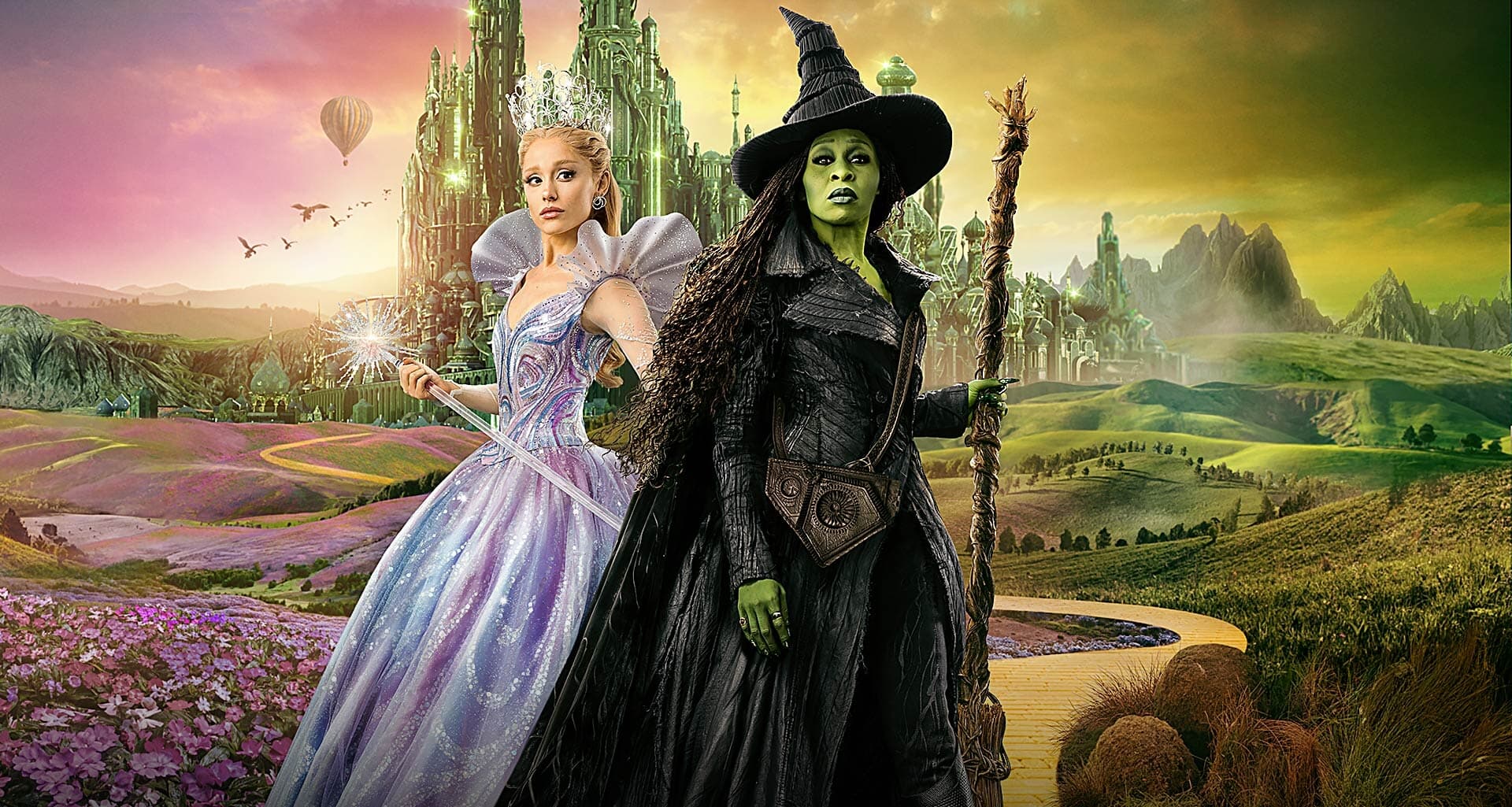
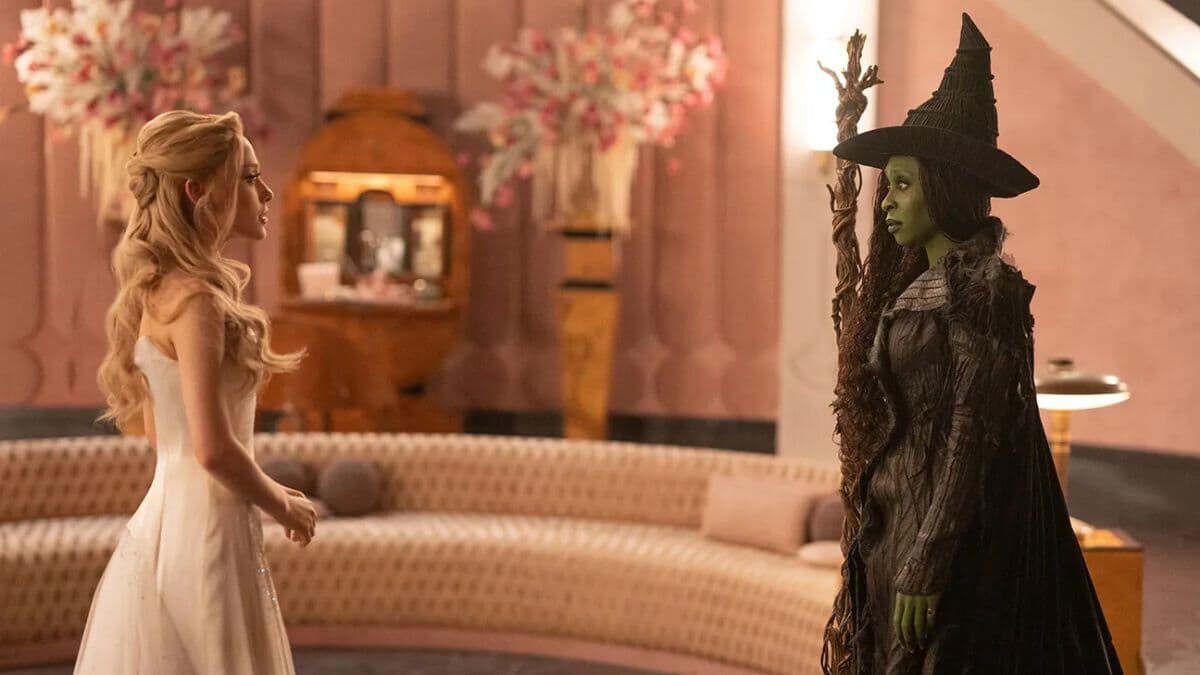
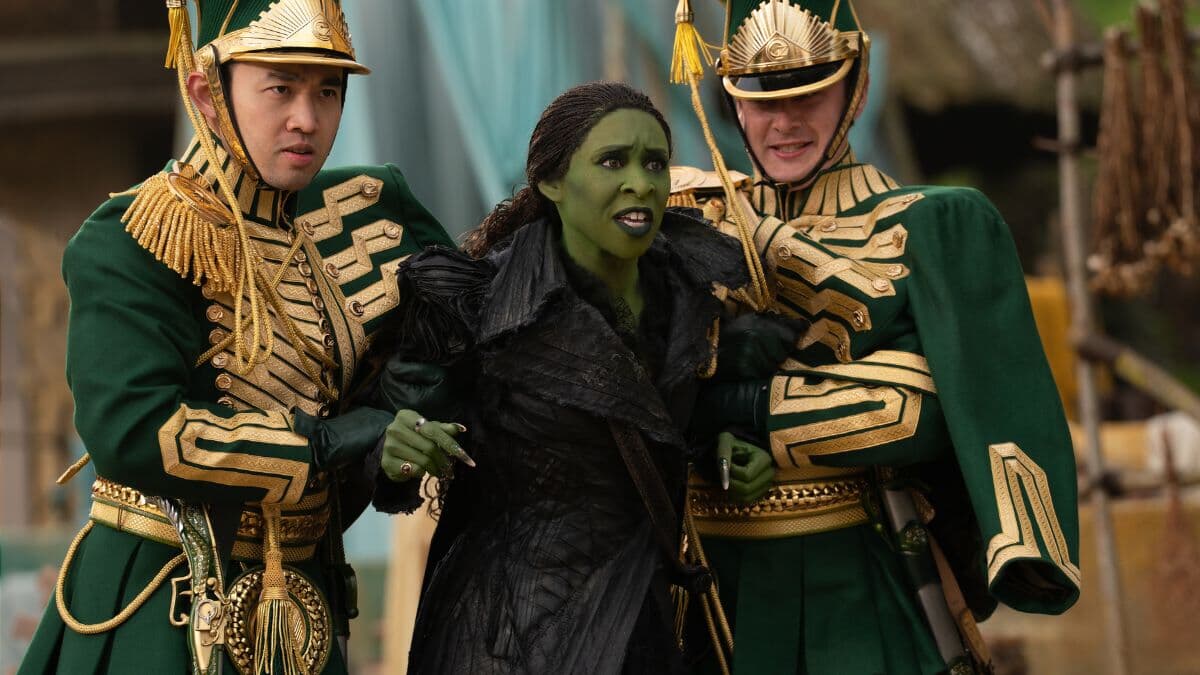
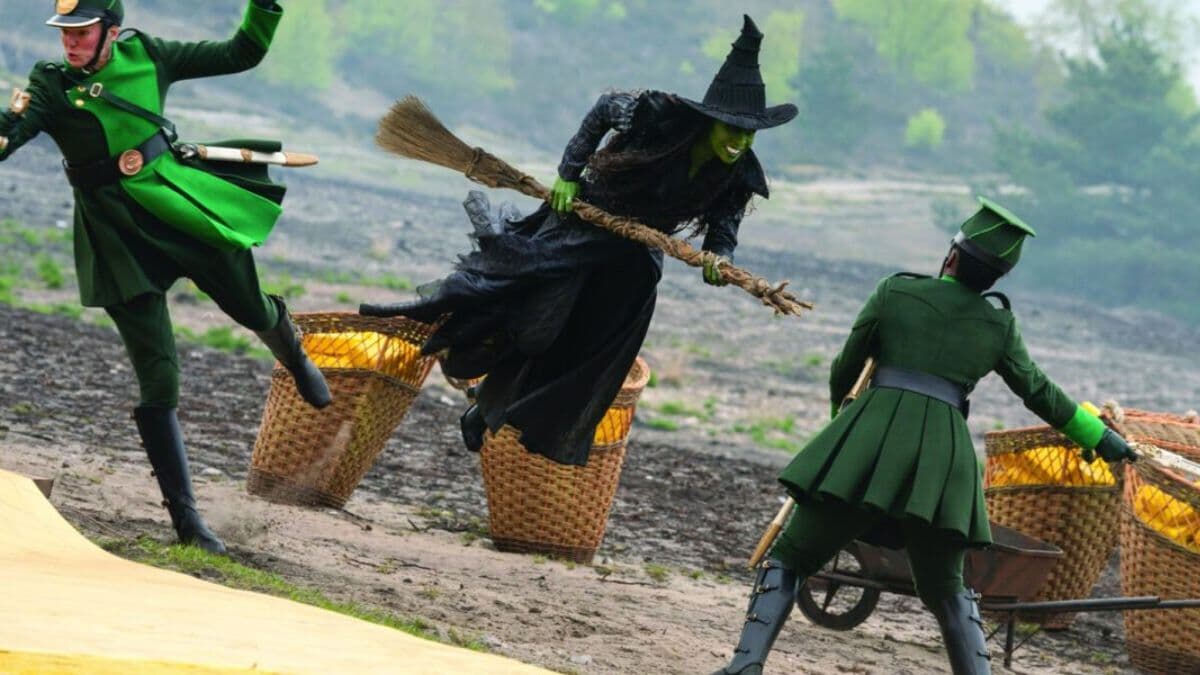
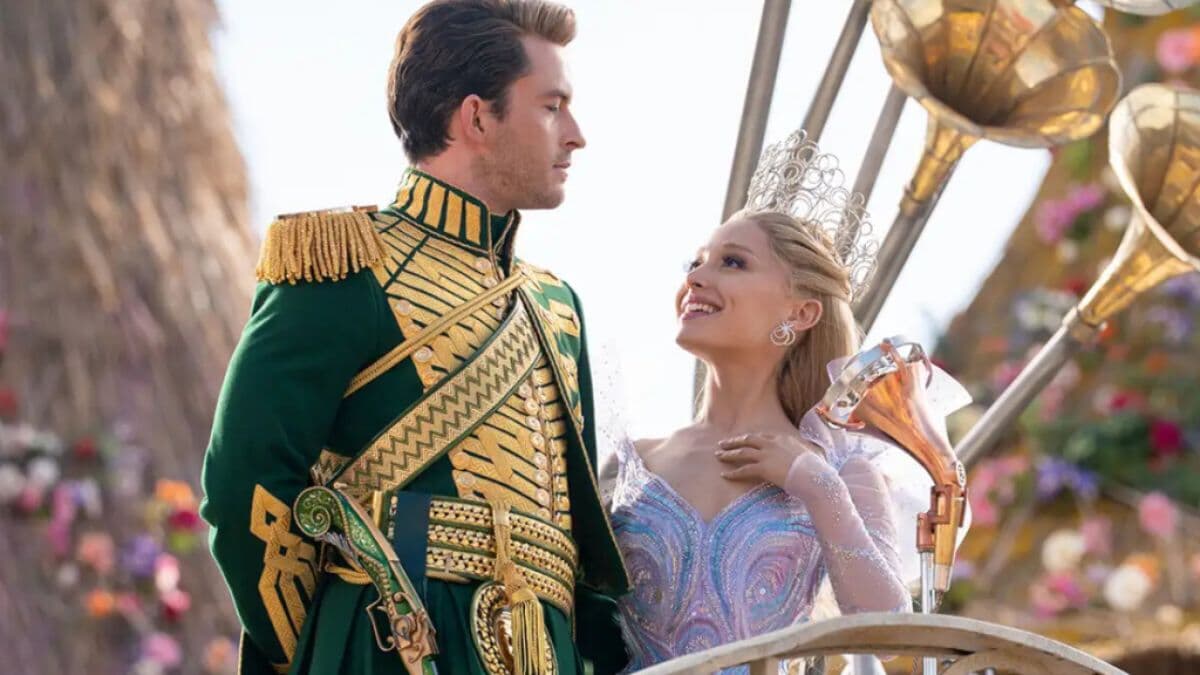
THE WICKED WITCH OF THE WEST is back in part two of the film adaptation of Wicked. Part one recounted the musical’s first half, and with an interval of a year, audiences can now find out what happened to Elphaba (Cynthia Erivo) after she learned to fly and set off on a mission to save the animals of Oz from the Wizard’s (Jeff Goldblum) vilification. The Legally Blonde light-heartedness of Shiz University is in the past, and the second part, Wicked: For Good, has moved into more sinister political territory. This story emphasises the Wizard’s oppression of the animals as he makes them second-class citizens. It also charts the slow rise of fascism in Oz. Elphaba is now mounting a one-woman rebellion against the Wizard and, slowly, raises the consciousness of her frenemy Glinda and Fiyero, Captain of the Guard and Glinda’s betrothed. Your pop culture fix awaits on OTTplay, for only Rs 149 per month. Grab this limited-time offer now! |
Ariana Grande’s Glinda has a considerably clearer arc in this movie than onstage. The live musical focuses on Elphaba’s journey, and Glinda makes abrupt handbrake turns of realisation. In the film, however, Grande captures her slow disillusionment with the politics of Oz while growing to understand that she still benefits from it. Grande’s performance is helped by 'The Girl in the Bubble,' one of the two new songs added to the stage score. In this song, Glinda chooses her side in the conflict. Grande’s revelatory performance proves her as an actress of considerable depth and remarkable subtlety. The other new song, 'There’s No Place Like Home', is Elphaba’s rallying call to the animals to stay and fight for Oz. It has less dramatic impetus but emphasises her reasons for fighting the Wizard when all of Oz is bowing to his will. It could be read as an anthem for refugees and the dispossessed everywhere. Erivo, a queer black woman, delivers a powerhouse performance. Director John Chu’s expert use of close-ups allows the actors to convey the delicacy of emotional shifts in a manner that is impossible onstage, and Erivo can break your heart with a single glance. Like Wicked? Here are 5 must-watch musical fantasy movies on OTTplay |
Unusually for a movie adaptation, the two-part story of Wicked features the complete score of the stage musical. There are changes, like the opening number 'Thank Goodness' and 'The March of the Witch Hunters,' which are both considerably expanded. They have decided to keep the one number that sits uncomfortably in the stage show, the upbeat 'Wonderful'. In this song, the Wizard attempts to woo Elphaba to join him in power. Chu has added Glinda to this number to emphasise Elphaba’s ambivalence, but the lighthearted nature of the moment is awkward, especially considering the more serious tone of the movie. The tonal shift in 'Wonderful' also presents certain characters in different lights. Jeff Goldblum’s Wizard is more obviously self-serving than in part one, and Michelle Yeoh’s Madame Morrible, now promoted to the Wizard’s right-hand woman, is seen as clearly clinging to power. Also, Elphaba’s wheelchair-bound sister Nessarose and the Munchkin, Boq, start to feature more as their part in Dorothy’s tale are revealed. The engagement with the wider world of The Wizard of Oz is vital to this movie. Part one is concerned with Elphaba and Glinda’s early relationship and establishes the socio-political background, a story that the writer Gregory Maguire entirely imagined in his book, Wicked: The Life and Times of the Wicked Witch of the West (1995) – the original source of the musical. In this film, however, the events of L Frank Baum’s 1900 novel The Wizard of Oz (and the subsequent movie) are vital. Psst...The 2024 film Wicked is currently streaming on JioHotstar, now available with your OTTplay Premium subscription. Watch the film here. |
However, Maguire smartly keeps Dorothy Gale mostly in the background, and the film follows suit. She never speaks, her face is never seen, and no actress is credited in the role. At some point, there is clearly going to be a fan edit that splices the 1939 The Wizard of Oz starring Judy Garland with both Wicked movies to create a complete journey for both Elphaba and Dorothy. But it is a testament to the Wicked creators that, to my eyes, there appear to be no moments where these tales contradict each other, save for the Wicked Witch of the East’s magic slippers. In Baum’s original novel, the slippers are silver but were changed to ruby by MGM to showcase their new Technicolor process (along with the Wicked Witch’s skin becoming green). But the studio declined to give the Wicked creators the copyright to the change, and so, in both the stage musical and movie, the slippers remain silver. WATCH | Cynthia Erivo and Ariana Grande join their co-stars and surprise guests to perform songs from Wicked and Wicked: For Good |
Chu and his design team cleverly, and sometimes subtly, reference The Wizard of Oz: Fiyero’s horse is blue, the train changes colour depending on who is travelling and Nessarose’s silver slippers glow ruby as Elphaba enchants her from her wheelchair. While the designs of both the Scarecrow and Tin Man echo the 1939 movie, the only major departure is the Cowardly Lion, here rendered in CGI as a realistic anthropomorphic feline, rather than the vaudevillian in a furry suit of Bert Lahr’s performance. Obviously, Wicked and Wicked: For Good should really be considered a single movie, a remarkably successful screen adaptation that manages to respect all the underlying source material to create a truly epic movie musical. I wish I could take Baum to witness the entire five hours. Julian Woolford is the Head of Musical Theatre, GSA at the University of Surrey. This essay originally appeared on The Conversation and has been republished here under the Creative Commons License. |
Family Man Season 3: A Little Less Fun, Still A Whole Lot Of Fun
|
The new instalment of the homegrown spy series is its plainest yet — leaning on franchise familiarity without fully owning it. Even at its weakest, Family Man remains ahead of most streaming fare, writes Ishita Sengupta.
|
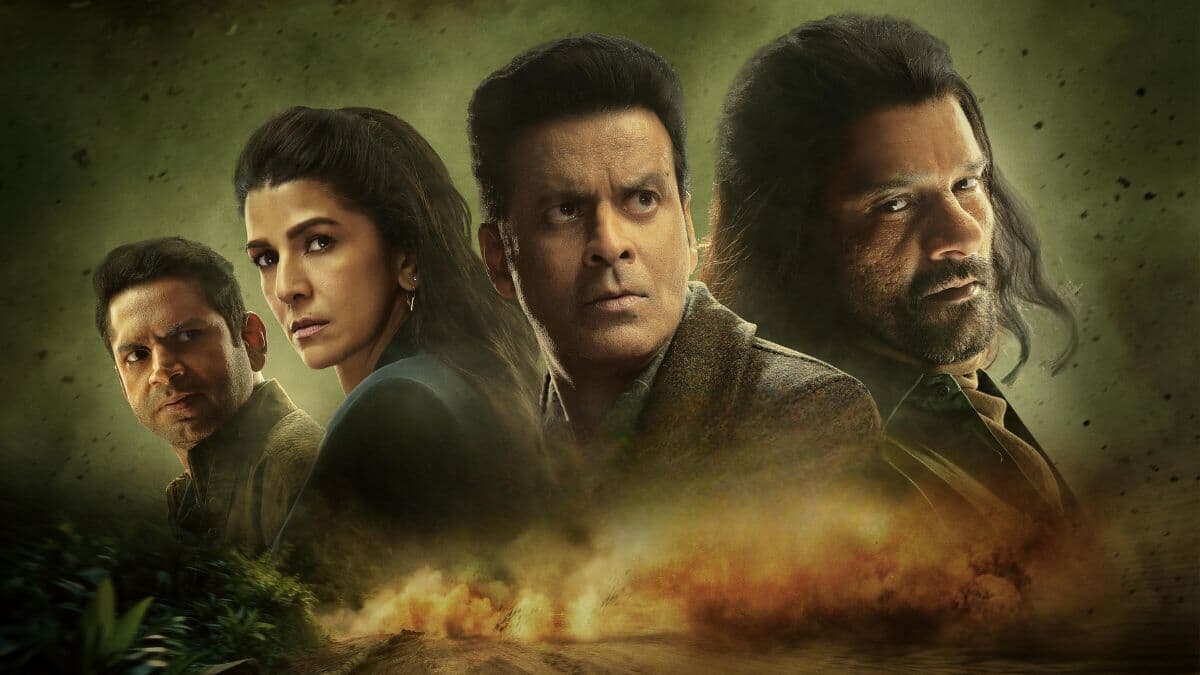
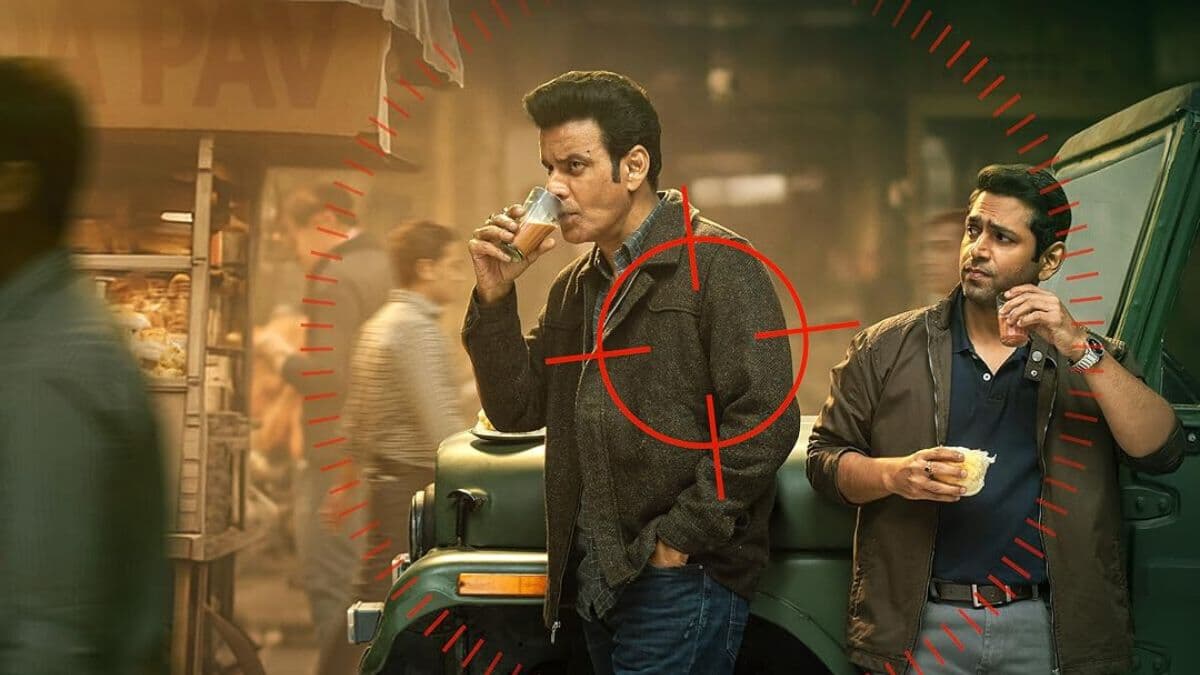
WHEN Family Man dropped in 2019, a new language in long-form storytelling was born. The Raj & DK series took a regular spy story, reiterations of which clogged pop culture, and grounded it in a way that felt both radical and inevitable. In their telling, the narrative shed its flamboyant excess and probed more mundane queries, like what if the spy has a family? And, what do they (not) tell them? Informed by this, the show’s leading man has a parallel personal life with his professional commitments, and the crack was where the story lay, as did the humour. Across the first season, Family Man carried a sardonic tone, aided by its wry protagonist Srikant Tiwari (Manoj Bajpayee), who carried the weight of both security concerns and personal banter. By the second season, it became a hallmark, and so did other things. Srikant’s sparring chemistry with his colleague, the single and pining JK (Sharib Hashmi always watchable), his expletives-laced dialogues and poetic delivery, his constant lies to his wife, Suchitra (the ever-terrific Priyamani) and family, the mounting national threats to India from neighbouring countries, combatted by Srikant and others in his agency, Threat Analysis and Surveillance Cell (TASC). And the craft. Across the two seasons, the makers went for broke with oners. Season three also opens with an extraordinary one-shot, as if hinting at a continuation when it is anything but. Stream the latest films and shows with OTTplay's Power Play monthly pack, for only Rs 149. |
The latest instalment of the homegrown spy series is its most plain. Dialogues sing less; the brewing resentment in Srikant’s marriage is cracked open for resolution, he is no longer lying to his wife and grown-up children, and even his verbal duels with JK, many of which have been hallmarked as meme-gold, have dimmed. It is also the most dense. Raj & DK, with Sumar Kumar (writers who, with Tusshar Seyth, have directed the episodes ), shift the narrative to North East India and with every episode, even as the meaning translates, the broader lines keep getting more blurred. The action zig-zags from Kohima to Aizawl, Delhi to London, with the familiar Islamabad recurring in bits. The direct upshot of this is a season half as fun as its previous iterations. Every time a scene ends with Bajpayee’s exasperated face without a familiar line, it is reminiscent of watching a love story once the honeymoon period is over. But even at its lowest, Family Man manages to tower over most streaming work today; such charm also encourages making a case for it. CONTINUE READING... |
Like what you read? Get more of what you like. Visit the OTTplay website or download the app to stay up-to-date with news, recommendations and special offers on streaming content. Plus: always get the latest reviews. Sign up for our newsletters. Already a subscriber? Forward this email to a friend, or use the share buttons below. |
| | This weekly newsletter compiles a list of the latest (and most important) reviews from OTTplay so you can figure what to watch or ditch over the weekend ahead. |
| Each week, our editors pick one long-form, writerly piece that they think it worthy of your attention, and dice it into easily digestible bits for you to mull over. |
| In which we invite a scholar of cinema, devotee of the moving image, to write a prose poem dedicated to their poison of choice. Expect to spend an
hour on this. |
| | Hindustan Media Ventures Limited,
Hindustan Times House, 18-20,
Second Floor, Kasturba Gandhi
Marg, New Delhi - 110 001, India |
DOWNLOAD THE OTTPLAY APP ▼ |
| | If you need any guidance or support along the way, please send an email to ottplay@htmedialabs.com . We’re here to help! |
©️2025 OTTplay, HT Media Labs. All rights reserved. |
| | |