Maalik: Rajkummar Rao Falls Flat In This Same Old Story
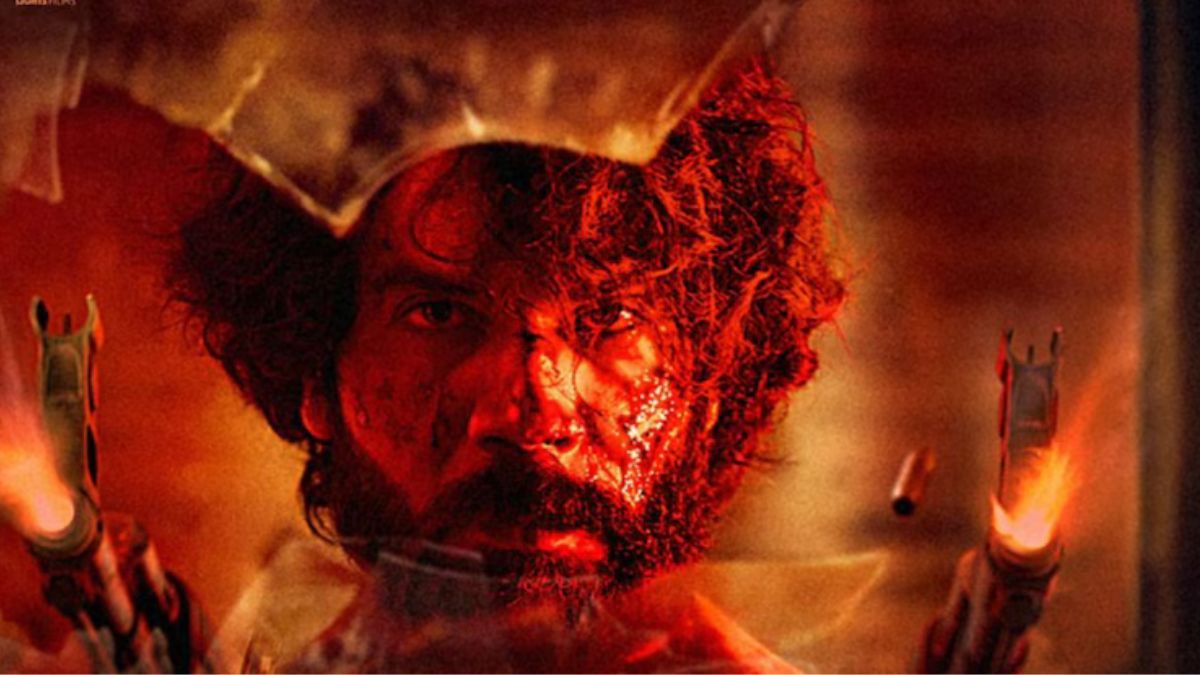
| Maalik is like most Hindi films, taking a shot through gratuitous violence to earn billions at the box office. Brutality abounds in the story, and the purpose of it is brutality itself, writes Ishita Sengupta .
| | | | | Cast: Rajkummar Rao, Prosenjit Chatterjee, Manushi Chhillar | | | | WE ARE LIVING IN DIRE TIMES . Films are being made by the dozen, and none can be told apart. Generic music is the norm, and graphic, violent visuals leak from one Friday to the next. This trifecta of male rage, ruthlessness and sad music has been reiterated with such force and abandon that a deep insensitivity has cultivated in both the makers and the audience. A splash of blood doesn’t cut it anymore; a jab of a knife doesn’t do the job. People cannot be gunned down. They need to be murdered, sliced and butchered. They need to really, really die for the hero to be sated and the audience to cheer. When violence assumed such glamour is hard to pinpoint, but the continued success of most actioners, each centring on a bloodthirsty lead, is spawning iterations of the same. And each male actor is trying their chances at it. Rajkummar Rao does the same in Maalik , a film so imitative that it could be the synonym of ‘derivative’. WATCH | Best Rajkummar Rao films on OTTplay Premium that highlight his versatility | | | Aankhon Ki Gustaakhiyan: Ruskin Bond Will Not Be Pleased
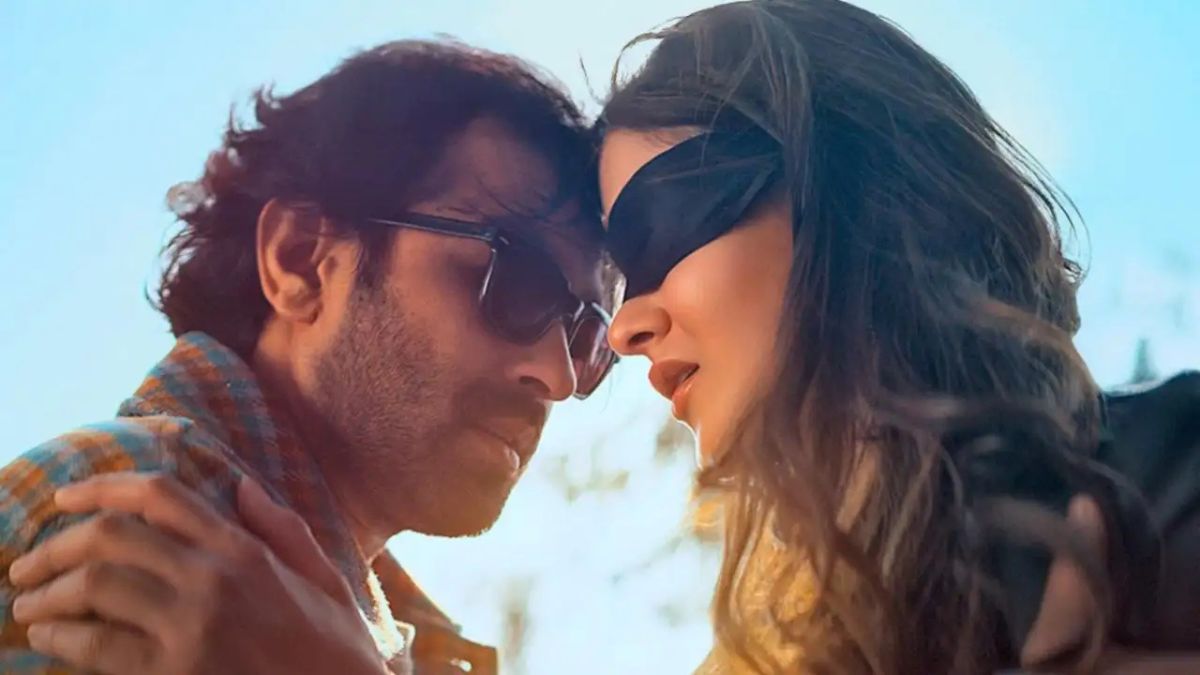
| Just as many films use metaphors, Aankhon Ki Gustaakhiyan is a metaphor for the collective blindness of the Hindi film industry to quality, resulting in a film like itself.
| | | | | Cast: Vikrant Massey, Shanaya Kapoor, Zain Khan Durrani | | | | MOST FILMS USE METAPHORS. Santosh Singh’s Aankhon Ki Gustaakhiyan is a metaphor. It is a metaphor for a privileged person, born with cultural capital, going an extra mile to convince themself of having earned the privilege. It is a metaphor for a nepo baby making her debut and holding the hand of a gifted outsider in the journey. And finally, it is a metaphor for the collective blindness of the Hindi film industry to quality, resulting in a film like Aankhon Ki Gustaakhiyan. Before one calls me out for ridiculing blindness, let me just put it out there: it is the film which is insensitive. Written by Mansi Bagla (also the writer of the 2022 film, Forensic — a forewarning), Aankhon Ki Gustaakhiyan is supposedly an adaptation of Ruskin Bond ’s short story, The Eyes Have It. I exercise caution because what we have here is a butchered version of Bond’s three-page stirring short story that, characteristically, marries emotional nuance with light-heartedness. On the contrary, Singh's film is anchored by delusion and bogged down by incompetence. It is designed as a sweeping love story (characters talk like they are play-acting Laila Majnu in real life), scored like a magnum opus lite (Vishal Mishra is the composer and singer) and unfolds like multiple disconnected reels. Actors speak in the same pitch for different emotions, as if each scene exists in isolation. Maybe they do, maybe they don’t. It is difficult to tell with Aankhon Ki Gustaakhiyan. — I.S. | | | Aap Jaisa Koi: Leave Bengalis Alone
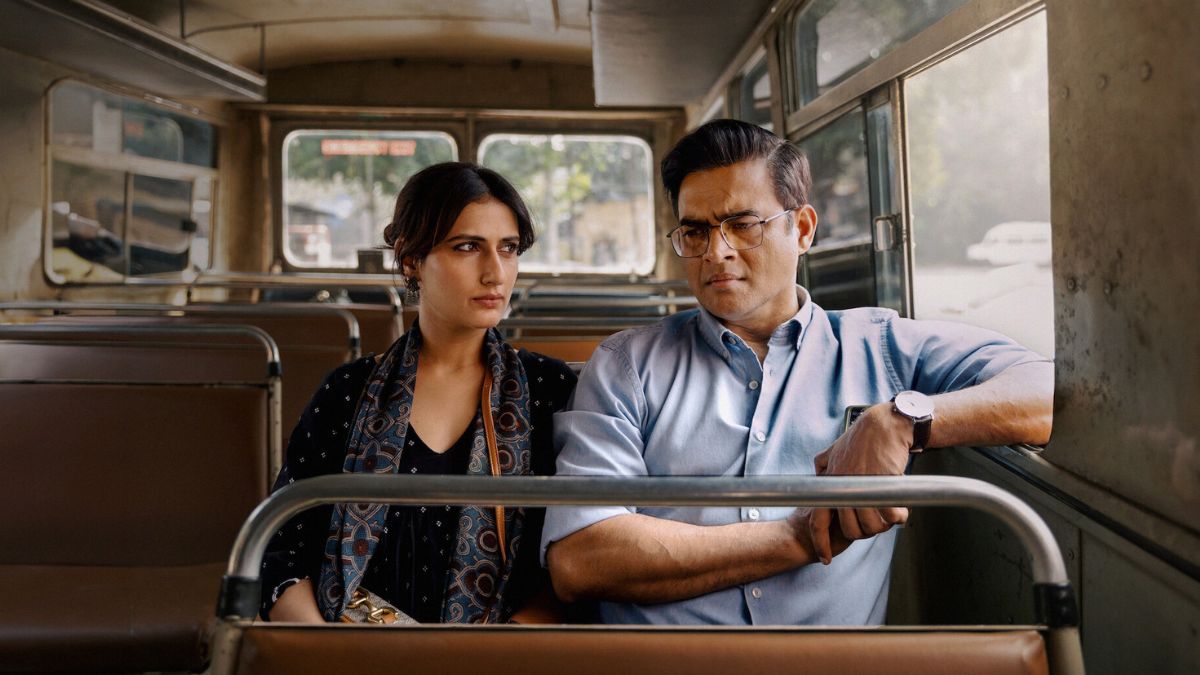
| With Aap Jaisa Koi , both Dharma and Netflix operate on the lowest level of creativity. It unfolds as a masterclass in vacuity.
| | | | | Cast: R Madhavan, Fatima Sana Shaikh | | | | SUCCESS IMPROVES MOST THINGS except Hindi cinema. Past proves that acceptance of a certain kind of film often spawns inferior versions of the same. Many are guilty, but perhaps none more than Dharma, the production company that has made a business model out of a single premise: youth sparring with age. In Kabhi Khushi Kabhie Gham (2001), filmmaker Karan Johar, also the co-owner of Dharma, played with traditional trappings as a young man resisted parental pressure without standing up against it. Success followed, and so did similar iterations; in 2023, he fortified the defiance of young love in Rocky Aur Rani Kii Prem Kahaani (2023) and two years later, his banner has bankrolled Aap Jaisa Koi, a shell of a film that is all framing. The point of contention remains the same: tradition holds the sword to love. But Vivek Soni’s film is also generously influenced by Rocky Rani, and as a result, the discord comprises as much old order stacked against new as the new carrying the vestige of the old. And, yet again, women and the Bengali community (I will circle back to this) shoulder the responsibility for the moral rehabilitation of the men. — I.S. | | | The one newsletter you need to decide what to watch on any given day. Our editors pick a show, movie, or theme for you from everything that’s streaming on OTT. | | Each week, our editors pick one long-form, writerly piece that they think is worthy of your attention, and dice it into easily digestible bits for you to mull over. | | In which we invite a scholar of cinema, devotee of the moving image, to write a prose poem dedicated to their poison of choice. Expect to spend an hour on this. | | | Hindustan Media Ventures Limited,
Hindustan Times House, 18-20,
Second Floor, Kasturba Gandhi
Marg, New Delhi - 110 001, India | DOWNLOAD THE OTTPLAY APP 🔽 | | | Liked this newsletter? Forward it, or share using the buttons below! | If you need any guidance or support along the way, please send an email to ottplay@htmedialabs.com . We’re here to help! | ©️2025 OTTplay, HT Media Labs. All rights reserved. | | | |