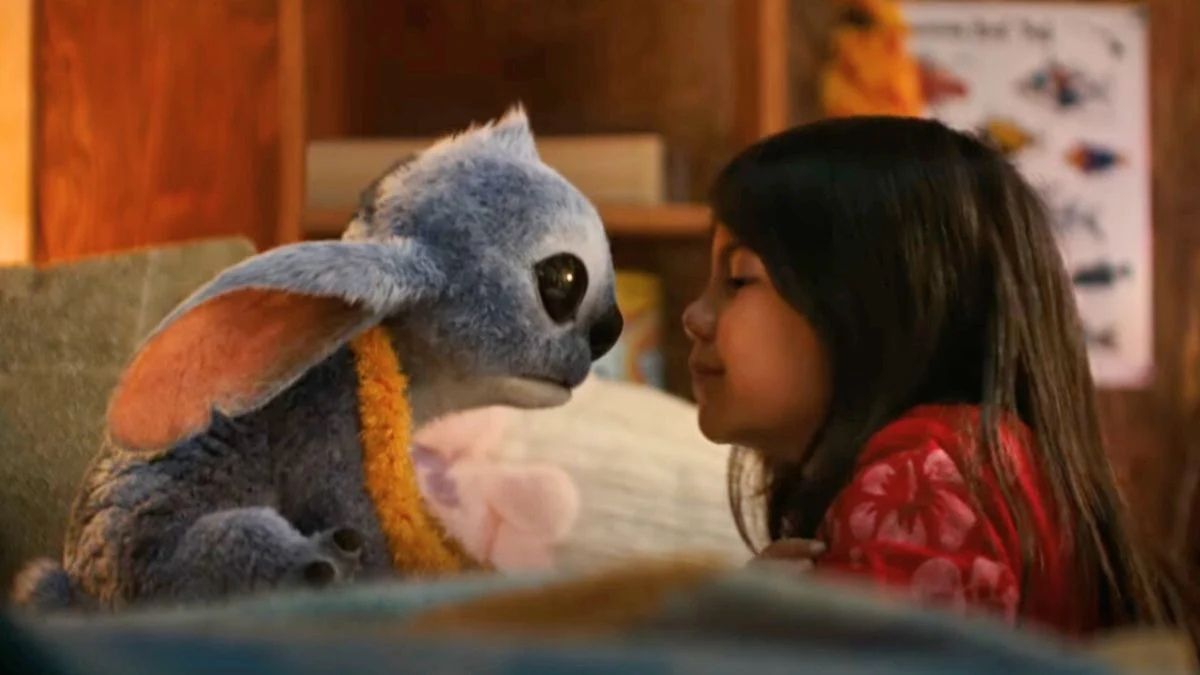
Lilo & Stitch Is A Rare Disney Remake That’s Hard To Dislike
| This live-action remake of the timeless 2002 Disney feature-length cartoon is not Pixar-heavy or allegorical; it's just a simple fairytale about misfits uniting to belong in an America on the margins. Rahul Desai reviews.
| | | | | Cast: Maia Kealoha, Sydney Agudong, Chris Sanders | | | | I HAVE MY RESERVATIONS about live-action hybrid remakes of animated Disney classics. I just don’t see the point. The original invariably does a better job of charming newer generations of kids and adults (on smaller screens). The odd tech and VFX updates aside, there’s no real add-on; it’s like watching the capitalisation and credit of cultural interest into a bank account that refuses to invest in the current market. Remaking beats a re-release, sure, but it’s a mighty expensive way of telling the same story twice. The commercialism is grating, especially when the film in question is a cutesy childhood fable about the wonders of being young. But the most pressing question surrounding this remake/adaptation cycle is: Have we run out of imagination? Is there no will to create something new?
In theory, Lilo & Stitch is another brick in that wall. It’s a redo of the timeless 2002 feature-length cartoon about a lonely little Hawaiian girl and the destructive dog-koala-like alien she adopts. 6-year-old orphan Lilo (Maia Kealoha) finds Stitch (voiced by Chris Sanders, the director of the original), a nutty genetic experiment creature who escapes from the United Galactic Federation and ‘hides’ on Earth as Lilo’s pet. Their mischief coincides with the struggle of the girl’s older sister, Nani (an Emma Stone-coded Sydney Elizebeth Agudong), to be Lilo’s legal guardian and hold the tiny family together. | | | Bhool Chuk Maaf Gets Stuck In A Time Loop Of Its Own Making
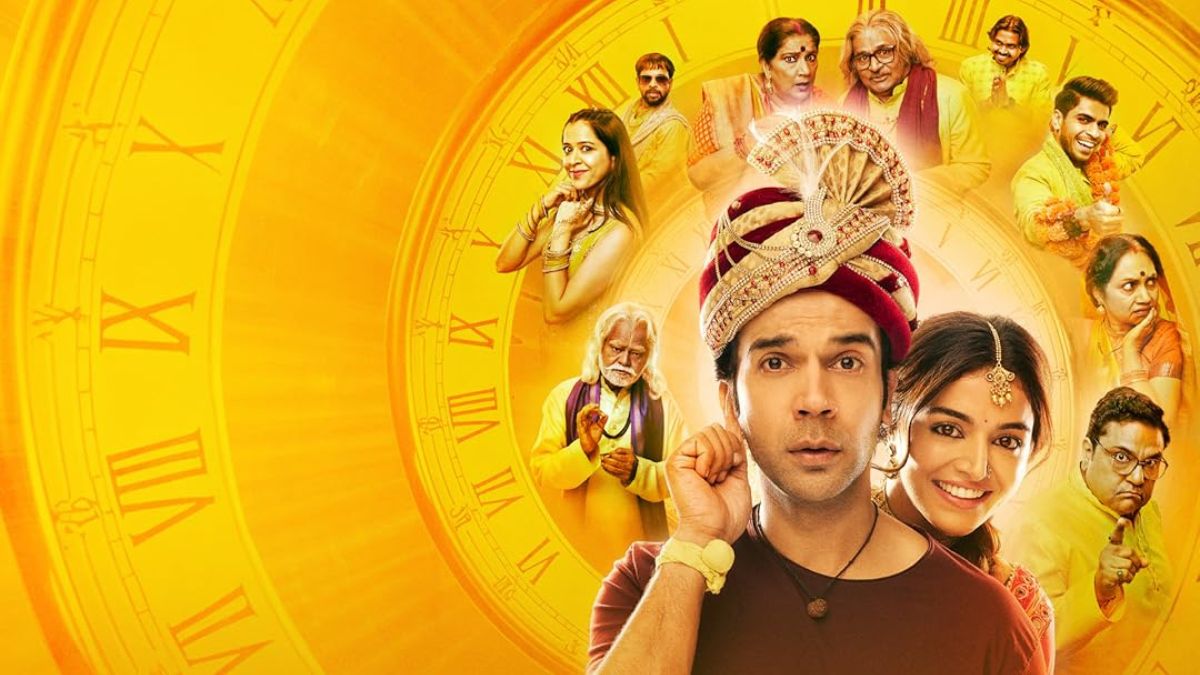
| Bhool Chuk Maaf could’ve been another smart Maddock social comedy, but it gets bogged down by lazy writing, stereotypes, and a climactic moral monologue that lands with a thud, writes Ishita Sengupta.
| | | | | Cast: Rajkummar Rao, Wamiqa Gabbi | | | | BEFORE BREAKING OUT with horror comedies, Maddock Films’ slate consisted largely of social comedies. The production house not just bankrolled them but, through reiteration, set a template where unusual premise offset the familiarity of the messaging. In Bala (2019), social prejudice was addressed through the inventive set-up of an insecure man losing his hair; in Mimi (2020), the complexity of motherhood was conveyed through surrogacy. Bhool Chuk Maaf , their latest film, uses similar embellishment, but the dressing is hollow and the tone is patronising.
It is difficult to see through the facade, at least on the surface. Karan Sharma’s film begins on a playful note. Ranjan Tiwari (Rajkummar Rao) and Titli Mishra (Wamiqa Gabbi) want to get married. They have been in love for long, but their parents, mainly hers, are not ready to accept the union. Reasons are plenty, but Titli’s father (the inimitable Zakir Hussain wasted in a one-note role) wants the groom to have a government job. This wouldn’t have posed a problem if Ranjan were a capable man. | | | Narivetta: Quiet But Forceful Meditation On Power, Complicity & Masculinity
| Narivetta is told through shifting vantage points and anchored by Tovino Thomas’s textured performance, writes Aditya Shrikrishna.
| | | | | Cast: TovinoThomas, Suraj Venjaramoodu | | | | ANURAJ MANOHAR’s debut film, Ishq (2016), does something interesting. It shows us a calculated act of violence and establishes a certain perspective. Later, it flips the narrative as well as the power imbalance by showing one of the victims, a heterosexual male who recovers from the ordeal quickly, perpetrate the same violence but this time to ghastlier ends in the name of revenge. As the film gradually becomes more and more uncomfortable, we understand that Manohar is interested in this cyclical nature sustained by the insecurities, frailties and ego of men. It makes a much larger point than a quid pro quo revenge act. Manohar’s new Malayalam film Narivetta also keeps moving around the vantage points, but from the view of the sole protagonist. It is clever but more straightforward in terms of storytelling and sociopolitical play than the first film. Yet, it makes for a solid sophomore film from the director. Narivetta is based on the 2003 Muthanga incident, where the police fired on Adivasis who had gathered to protest the government’s delay in allotting them land. With the screenplay by writer and Kerala Sahithya Akademi award winner Abin Joseph, Narivetta keeps the broad details intact, with some names changed. In the film, the protest also happens in Wayanad in 2003. And it is for the same purpose. Our protagonist is Peter Varghese (Tovino Thomas), a youngish slacker willing to wait forever for the exact government job he wants at the cost of his mother’s health and his lover Nancy’s (Priyamvada Krishnan) patience running out. Joseph and Manohar present Varghese as someone with no keen ideological bent; he is just a man coasting along. | | | The one newsletter you need to decide what to watch on any given day. Our editors pick a show, movie, or theme for you from everything that’s streaming on OTT. | | Each week, our editors pick one long-form, writerly piece that they think is worthy of your attention, and dice it into easily digestible bits for you to mull over. | | In which we invite a scholar of cinema, devotee of the moving image, to write a prose poem dedicated to their poison of choice. Expect to spend an hour on this. | | | Hindustan Media Ventures Limited,
Hindustan Times House, 18-20,
Second Floor, Kasturba Gandhi
Marg, New Delhi - 110 001, India | | | Liked this newsletter? Forward it, or share using the buttons below! | If you need any guidance or support along the way, please send an email to ottplay@htmedialabs.com . We’re here to help! | ©️2025 OTTplay, HT Media Labs. All rights reserved. | | | |